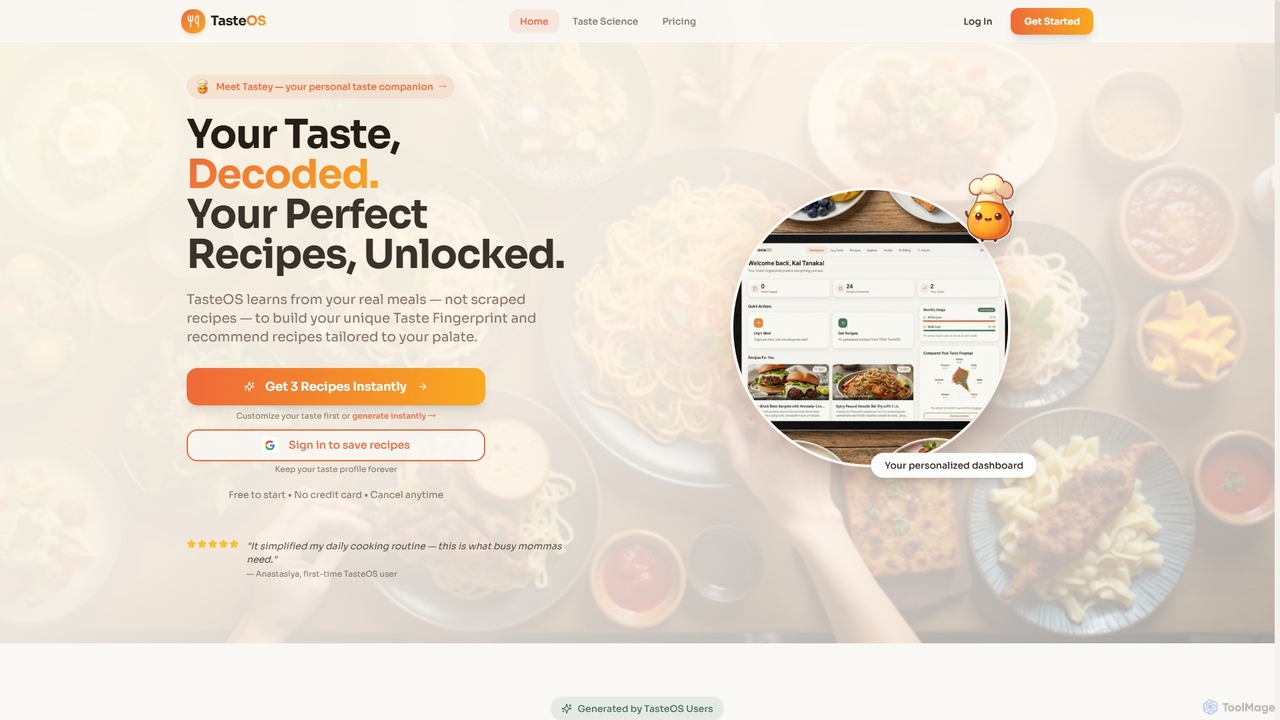
TasteOS
TasteOS is a personalized AI recipe generator that decodes your unique taste profile by learning from your real …
TasteOS is a personalized AI recipe generator that decodes your unique taste profile by learning from your real meals. It creates tailored recipes, helps you cook with existing ingredients, and adapts to your evolving palate, offering a truly custom culinary experience.
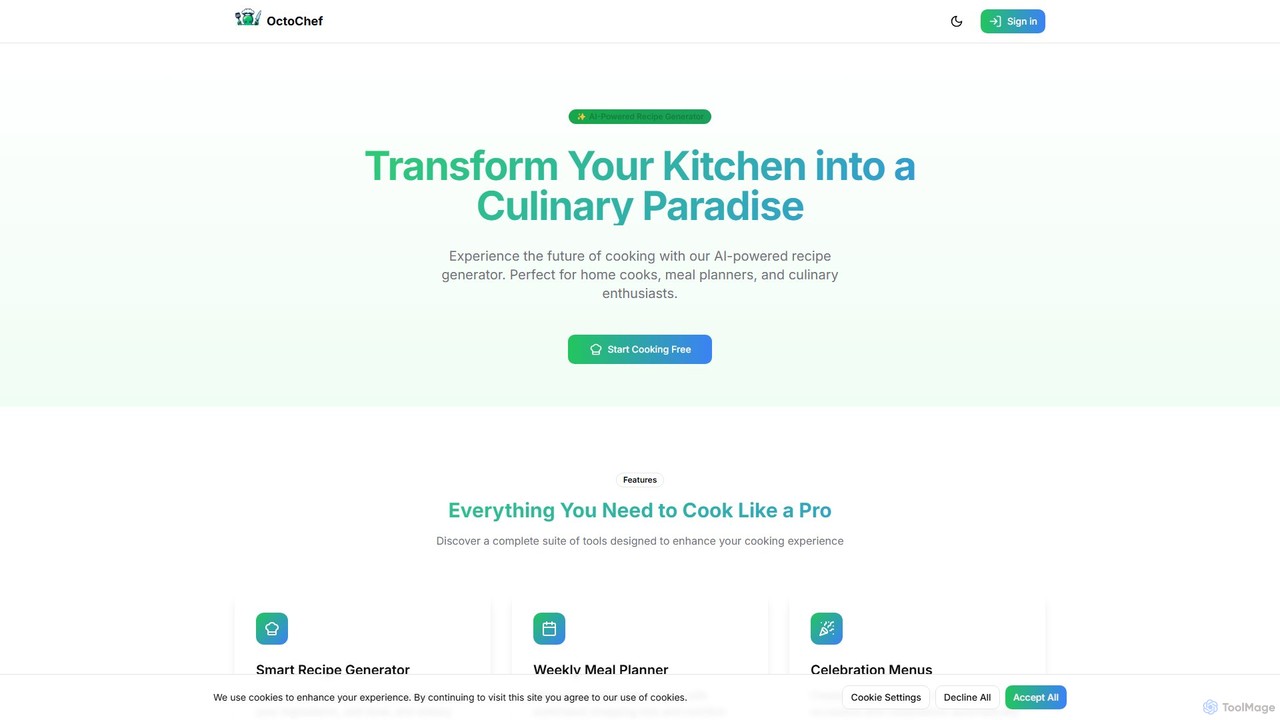
OctoChef
OctoChef is an AI-powered recipe generator and meal planner that transforms your available ingredients into delicious meals. It …
OctoChef is an AI-powered recipe generator and meal planner that transforms your available ingredients into delicious meals. It creates personalized recipes, weekly meal plans, and automated grocery lists based on your dietary needs, skill level, and preferences.

Dinnerfy
Dinnerfy is an AI-powered meal planning assistant that puts your family dinners on autopilot. By learning your taste …
Dinnerfy is an AI-powered meal planning assistant that puts your family dinners on autopilot. By learning your taste preferences through a simple swipe interface, it generates personalized weekly meal plans, discovers new recipes, and automatically creates sorted, shareable grocery lists. It integrates with Instacart for one-click delivery, making meal prep effortless and saving you valuable time.
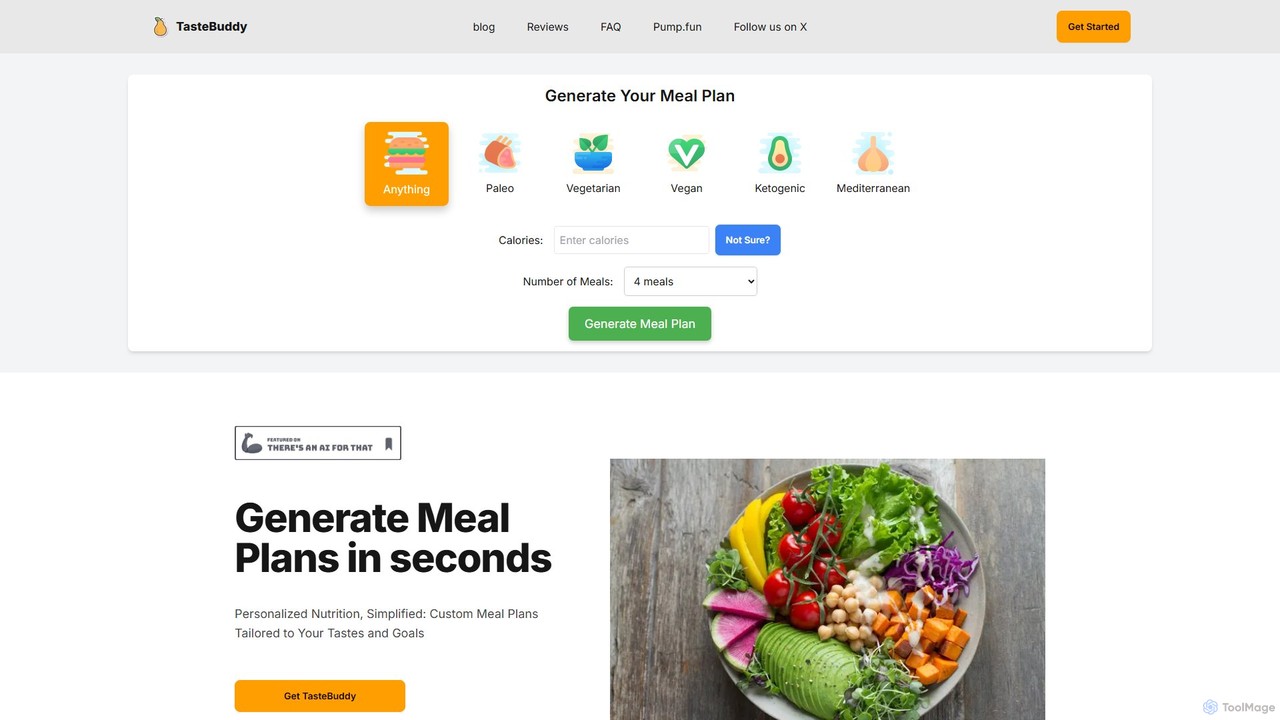
TasteBuddy
TasteBuddy is an AI-powered meal planning platform that generates personalized meal plans in seconds. It tailors nutrition to …
TasteBuddy is an AI-powered meal planning platform that generates personalized meal plans in seconds. It tailors nutrition to your specific tastes, dietary preferences (like Paleo, Vegan, Keto), and health goals. Features include one-click grocery shopping via Amazon Fresh, calorie and macro tracking, and dynamic plan adjustments to simplify your health journey.
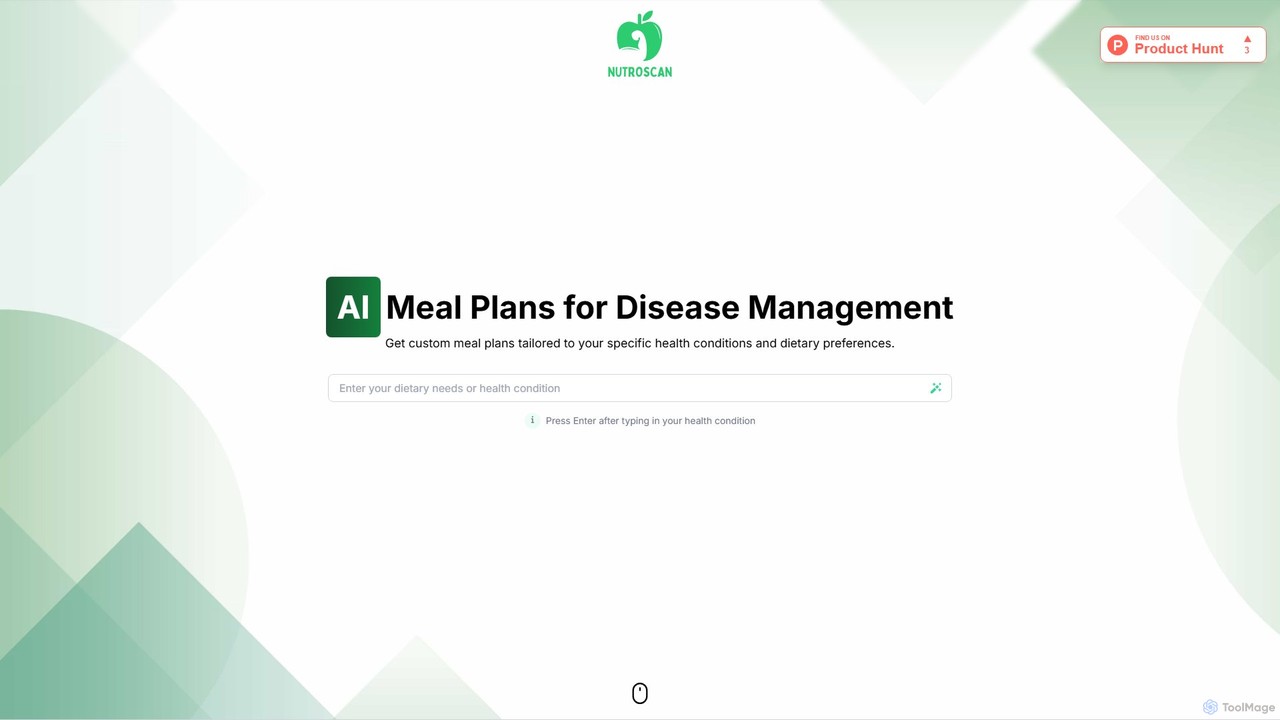
Nutroscan
Nutroscan is an AI-powered nutrition platform that creates hyper-personalized meal plans tailored to your unique health conditions, dietary …
Nutroscan is an AI-powered nutrition platform that creates hyper-personalized meal plans tailored to your unique health conditions, dietary needs, and fitness goals. It simplifies healthy eating by generating weekly plans, providing detailed nutritional analysis, and automatically creating grocery shopping lists to support your wellness journey.
myfoodplanet
myfoodplanet is an AI-powered meal planning and recipe discovery platform. It generates personalized meal plans based on your …
myfoodplanet is an AI-powered meal planning and recipe discovery platform. It generates personalized meal plans based on your dietary needs, health goals, and taste preferences, offering nutritional analysis, smart shopping lists, and a vast database of global cuisines to simplify healthy eating.
About Meal Planning
AI Meal Planning tools are applications that leverage artificial intelligence to generate personalized weekly or monthly meal schedules. These tools analyze user data such as dietary preferences, health goals, allergies, and even available ingredients to create optimized and varied eating plans. Their primary value lies in automating the complex process of deciding what to eat, saving users significant time, reducing food waste, and helping them adhere to specific nutritional targets. Many also integrate recipe discovery and automated grocery list creation, streamlining the entire food management lifecycle.
Core Features
- Personalized Plan Generation: Creates meal plans based on dietary needs (e.g., keto, vegan, gluten-free), allergies, calorie targets, and taste preferences.
- Automated Grocery Lists: Instantly generates a categorized shopping list from the selected meal plan, simplifying grocery runs.
- Nutritional Analysis: Provides detailed breakdowns of calories, macronutrients (protein, carbs, fat), and micronutrients for every meal and day.
- Recipe Discovery and Adaptation: Suggests new recipes that fit user profiles and can adapt plans based on ingredients on hand.
- Food Waste Reduction: Optimizes meal suggestions to use up perishable ingredients before they expire.
Use Cases
These tools are widely used by individuals aiming for weight management, athletes requiring specific macro-targets, and busy families seeking to simplify their weekly meal prep. They are also valuable for people managing health conditions like diabetes or food intolerances, as the AI can ensure all meals comply with strict dietary constraints.
How to Choose
When selecting an AI Meal Planning tool, consider the depth of its personalization options—can it handle complex dietary combinations? Evaluate the size and quality of its recipe database. Check for integrations with grocery delivery services or fitness apps. Finally, assess the user interface for ease of swapping meals, adjusting portion sizes, and tracking progress.
Meal PlanningUse Cases
Automating Weekly Meal Prep for Busy Professionals
A marketing manager with a demanding schedule struggles to find time for healthy cooking, often resorting to expensive and unhealthy takeout. By using an AI Meal Planning tool, they input their preferences for quick 30-minute meals, a high-protein diet, and a dislike for seafood. The AI instantly generates a full 7-day meal plan with corresponding recipes and a consolidated grocery list. This allows them to complete their weekly shopping in one trip and spend just a few hours on Sunday prepping ingredients, saving over 8 hours a week and ensuring they have nutritious meals ready to go.
Creating Macro-Targeted Plans for Fitness Enthusiasts
An athlete is training for a competition and needs a precise diet plan to build muscle, requiring 200g of protein and 3000 calories daily. Manually calculating macros for each meal is tedious and prone to error. They use an AI meal planner, inputting their exact macro and calorie targets, along with a preference for whole foods. The AI constructs a diverse weekly plan that meets these targets precisely, offering varied recipes like chicken quinoa bowls and protein-rich smoothies. It also allows for easy swaps of meals with similar nutritional profiles, providing flexibility while maintaining strict dietary control.
Managing Multiple Dietary Needs for a Family
A family of four has complex dietary requirements: one parent is vegetarian, one child has a nut allergy, and the other is a picky eater who dislikes green vegetables. Planning meals that satisfy everyone is a constant challenge. Using an AI meal planner, the parent inputs all these constraints simultaneously. The AI cross-references these rules and generates a weekly plan with meals that are either naturally compliant for everyone (like a vegetable lasagna) or easily adaptable (e.g., a stir-fry where tofu can be substituted for chicken). This eliminates the mental load of planning and reduces the need to cook multiple separate meals.
Reducing Food Waste and Grocery Bills
A budget-conscious individual wants to minimize their grocery spending and prevent food from spoiling. They use an AI meal planner that has a feature to input ingredients they already have. Before their weekly shopping trip, they list items like leftover chicken, half a head of cabbage, and some yogurt. The AI prioritizes recipes that use these ingredients first, such as chicken cabbage stir-fry and a yogurt-based marinade. The generated grocery list is consequently shorter, only containing the missing items. This approach helps them use up what they own, reducing their weekly grocery bill by an estimated 20% and significantly cutting down on food waste.
Planning Meals for Specific Health Conditions
A person newly diagnosed with type 2 diabetes needs to carefully manage their carbohydrate intake to control blood sugar levels. They feel overwhelmed by the dietary restrictions. Using an AI meal planner designed for medical conditions, they input their diagnosis, target daily carb limit, and other preferences. The AI generates a safe and balanced meal plan, suggesting low-glycemic recipes and providing detailed nutritional information for each meal. This empowers them to take control of their diet with confidence, removing the guesswork and anxiety associated with managing their condition through food.
Discovering New Recipes within Dietary Constraints
Someone following a strict vegan and gluten-free diet often finds themselves eating the same repetitive meals, leading to dietary boredom. They use an AI meal planner to break out of their routine. By setting their dietary profile to 'vegan' and 'gluten-free', the tool's AI algorithm scours its vast database for suitable and exciting recipes they might not have found otherwise. It suggests creative dishes like lentil shepherd's pie with a cauliflower mash topping or black bean burgers on gluten-free buns. This not only adds variety to their diet but also ensures all their nutritional needs are met within their specific constraints.