
Fuse
Fuse is an AI-powered personalized news app that delivers a tailored news feed based on your interests. It …
Fuse is an AI-powered personalized news app that delivers a tailored news feed based on your interests. It aggregates articles, videos, and opinions from major media outlets, providing a comprehensive and balanced view of top stories from around the world. Stay informed with customized updates and diverse perspectives.
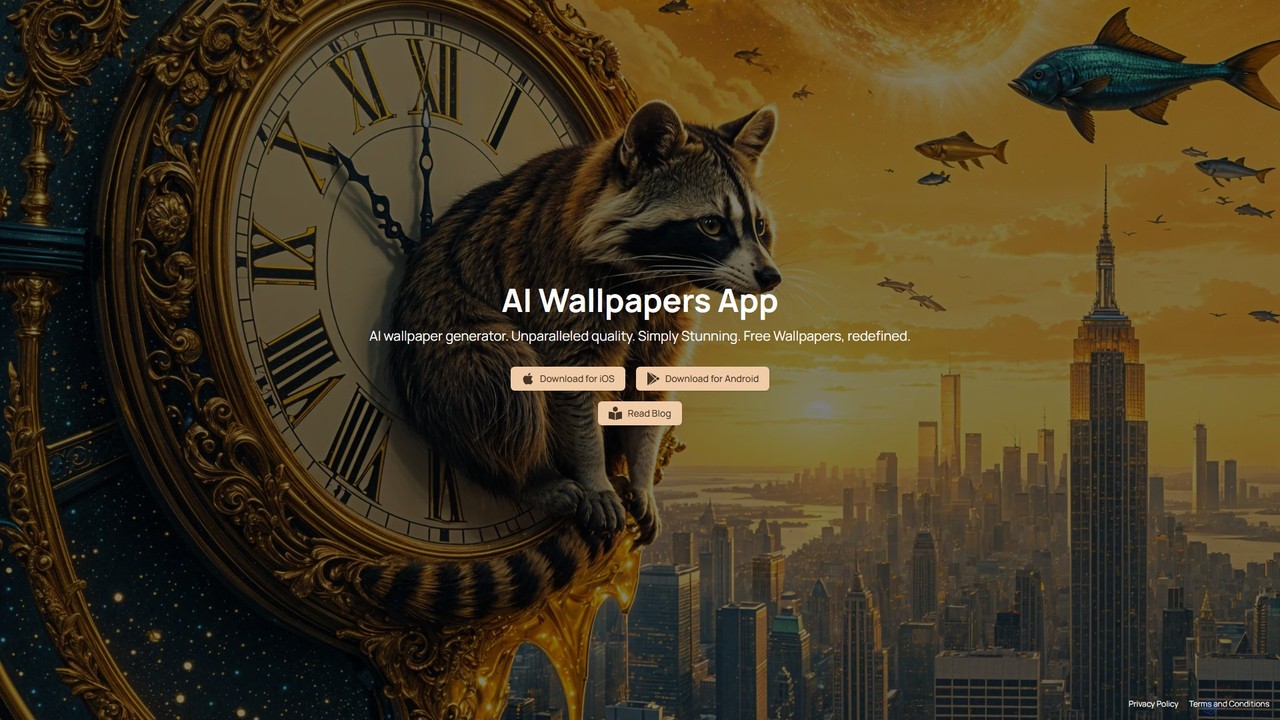
AiWallz
AiWallz is a free AI-powered wallpaper application for iOS and Android. It uses advanced generative AI to create …
AiWallz is a free AI-powered wallpaper application for iOS and Android. It uses advanced generative AI to create an endless stream of unique, high-quality, and visually stunning wallpapers. Discover diverse collections, from abstract textures to specific themes, and personalize your device with art you've never seen before. The intuitive interface makes finding your next background a seamless and inspiring experience.
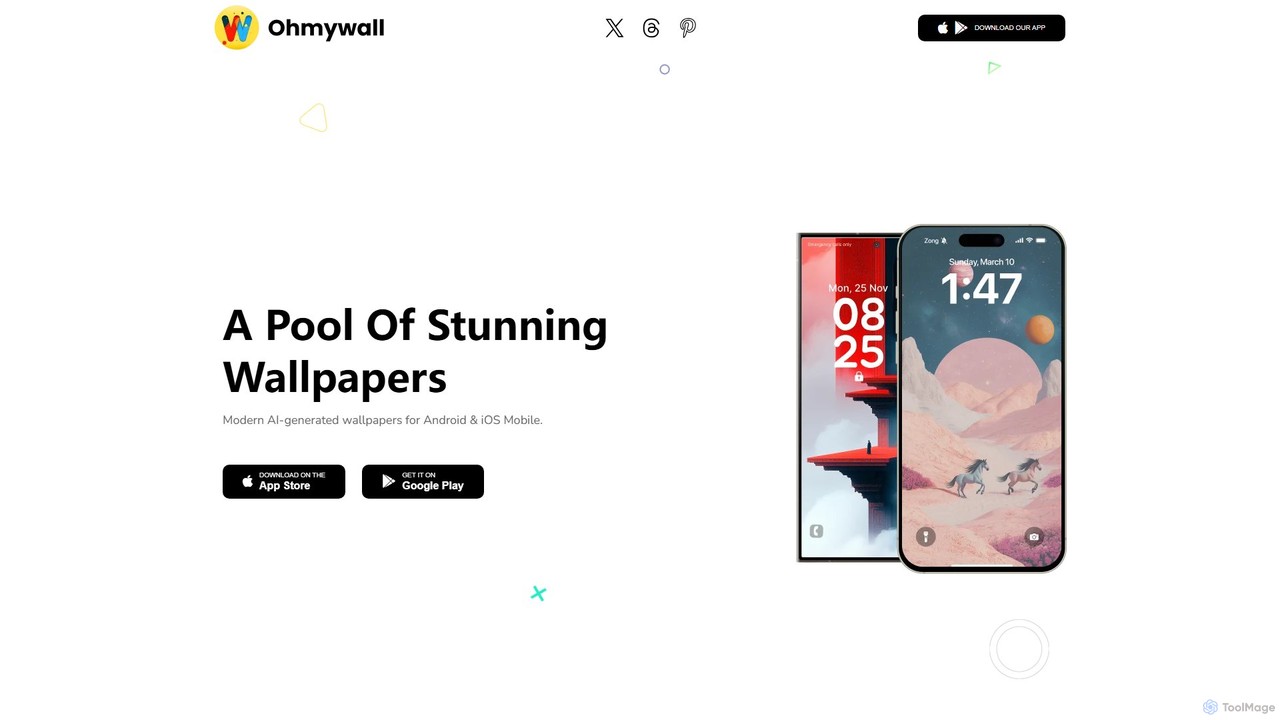
ohmywallpaper
ohmywallpaper is a mobile app offering a unique collection of customizable 3D and 4D animated wallpapers. Browse diverse …
ohmywallpaper is a mobile app offering a unique collection of customizable 3D and 4D animated wallpapers. Browse diverse categories, personalize wallpapers to your style, and easily apply them to your home or lock screen. Download your unique creations for free on iOS and Android.
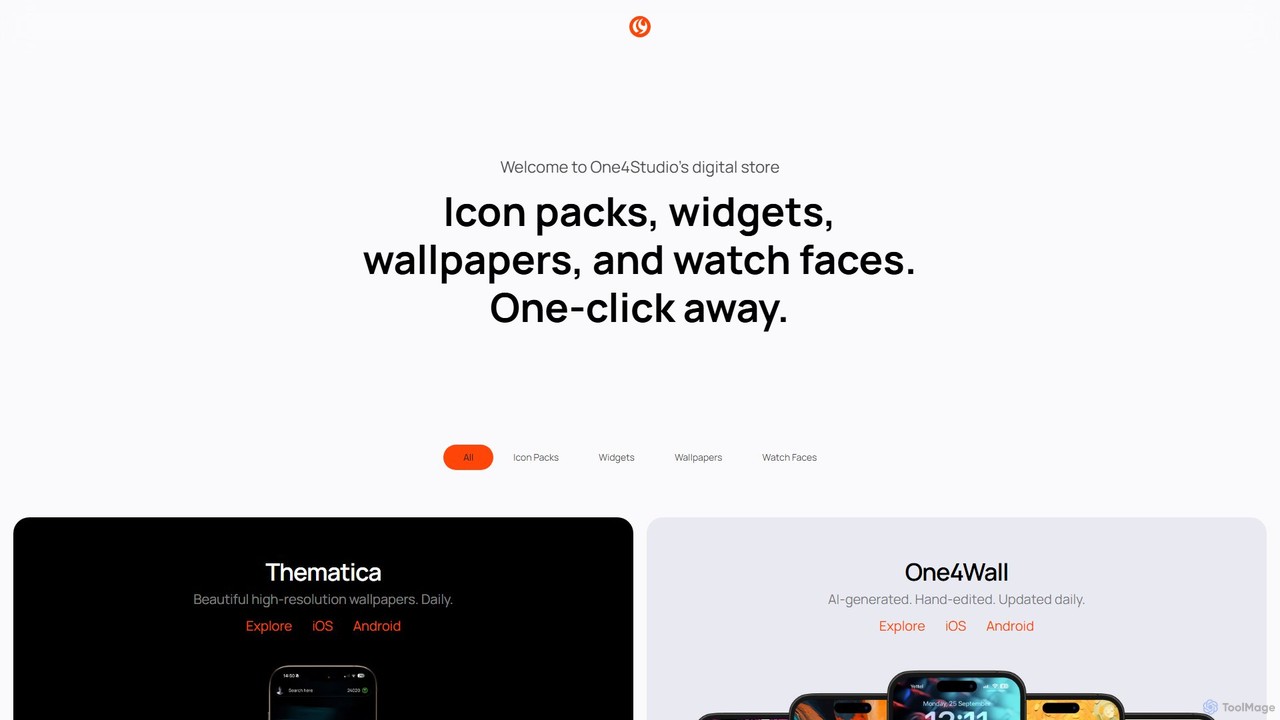
one4studio
one4studio is a digital design studio offering the One4Wall app, which uses AI to generate unique, high-quality wallpapers …
one4studio is a digital design studio offering the One4Wall app, which uses AI to generate unique, high-quality wallpapers for iOS, Android, and desktops. It features thousands of free, AI-generated, and hand-edited wallpapers with daily updates, alongside premium collections, icon packs, and widgets for complete device personalization.
About Personalization
Personalization AI tools are a class of applications that use machine learning to tailor digital content, services, and experiences to individual users. These tools analyze user data—such as behavior, preferences, and historical interactions—to deliver relevant recommendations, custom interfaces, and adaptive content in real-time. They are central to creating engaging and efficient user journeys in various lifestyle applications, from media consumption to wellness planning. The core value lies in transforming generic, one-size-fits-all services into unique, user-centric experiences.
Core Features
- Recommendation Engine: Suggests products, content, or services based on predictive analysis of user behavior.
- Behavioral Analysis: Tracks and interprets user interactions like clicks, viewing time, and navigation paths to build a dynamic user profile.
- Dynamic Content Adaptation: Automatically modifies website layouts, offers, and messaging to match the interests of individual users or segments.
- Predictive Targeting: Anticipates future user needs or actions to proactively deliver relevant information or offers.
- Automated Segmentation: Groups users into meaningful cohorts based on shared characteristics and behaviors without manual intervention.
Applicable Scenarios
These tools are widely used in sectors where user experience is paramount. For instance, media streaming services use them to curate playlists and movie suggestions. E-commerce platforms leverage them to display personalized product galleries. Fitness and wellness apps create customized workout and meal plans, while travel tech companies suggest bespoke itineraries based on a user's travel style.
Selection Criteria
When choosing a personalization tool, consider its integration capabilities with your existing data sources (e.g., CRM, analytics). Evaluate the sophistication and transparency of its algorithms—can it explain its recommendations? Assess its scalability to handle your user volume and data complexity. Finally, ensure it complies with data privacy regulations like GDPR and CCPA to maintain user trust.
PersonalizationUse Cases
Personalized Fitness and Nutrition Planning
A user of a wellness app wants a workout and meal plan that adapts to their progress, goals, and dietary restrictions. An AI personalization tool analyzes their logged workouts, meal tracking data, and biometrics from a wearable device. Based on this data, the system dynamically adjusts workout intensity, suggests alternative exercises if fatigue is detected, and recommends recipes that meet evolving nutritional needs. This transforms a static plan into a responsive personal coaching experience, increasing user adherence and effectiveness.
Curated Content and Media Recommendations
A media streaming service aims to increase user engagement and reduce churn. Its personalization engine tracks viewing history, user ratings, genre preferences, and even the time of day a user is active. It then populates the user's homepage with highly relevant movie suggestions, curated playlists, or podcast episodes. This creates a 'sticky' experience that feels uniquely tailored, encouraging longer sessions, deeper content discovery, and ultimately, strengthening subscription loyalty.
Adaptive E-learning Path Generation
An online education platform needs to cater to students with varying knowledge levels and learning paces. A personalization AI assesses a student's performance on quizzes and exercises in real-time. It identifies areas of weakness and strength, then automatically suggests remedial modules for difficult topics or allows advanced students to access more challenging content. This creates a customized learning journey for each student, maximizing comprehension, improving engagement, and reducing dropout rates by ensuring the material is always relevant and appropriately challenging.
Dynamic Travel Itinerary Suggestions
A travel planning app aims to simplify trip organization for its users. Instead of presenting generic lists, its personalization AI analyzes a user's past travel history, stated interests (e.g., 'adventure', 'culture', 'relaxation'), and budget. It then generates a tailored itinerary, recommending specific restaurants, off-the-beaten-path attractions, and local events that align with the user's unique profile. The suggestions can even adapt in real-time based on the user's location and the weather, transforming generic travel planning into a bespoke concierge service.
Automating Smart Home Routines
A smart home owner wants their environment to adapt to their lifestyle seamlessly. A personalization AI learns the user's daily habits—when they wake up, leave for work, return, and go to sleep. It correlates these patterns with data from sensors (light, temperature, motion). The system then automatically creates and executes routines, such as brewing coffee minutes before the user's alarm, adjusting the thermostat before they arrive home, and turning off all lights at their usual bedtime. This proactive automation enhances comfort, convenience, and energy efficiency without requiring manual programming.
Personalized Retail Shopping Experiences
An e-commerce manager for a fashion brand wants to increase conversion rates by showing shoppers products that match their style. A personalization tool analyzes a user's browsing history, past purchases, items added to a wishlist, and even visual similarities between products they've viewed. Based on this profile, the website dynamically alters the homepage layout, the order of products in category listings, and the specific items featured in marketing emails. This ensures each shopper sees a curated storefront that reflects their personal aesthetic, leading to higher engagement and sales.