AI-powered A/B Testing tools are sophisticated platforms that leverage artificial intelligence and machine learning to optimize website, app, or marketing campaign performance. These tools automate the process of comparing two or more variants (A and B) to determine which performs better against a defined goal, such as conversion rates or engagement. By applying AI, they accelerate experimentation, identify optimal solutions faster, and enable more precise, data-driven decision-making for enhanced user experiences and business outcomes.
Core Features
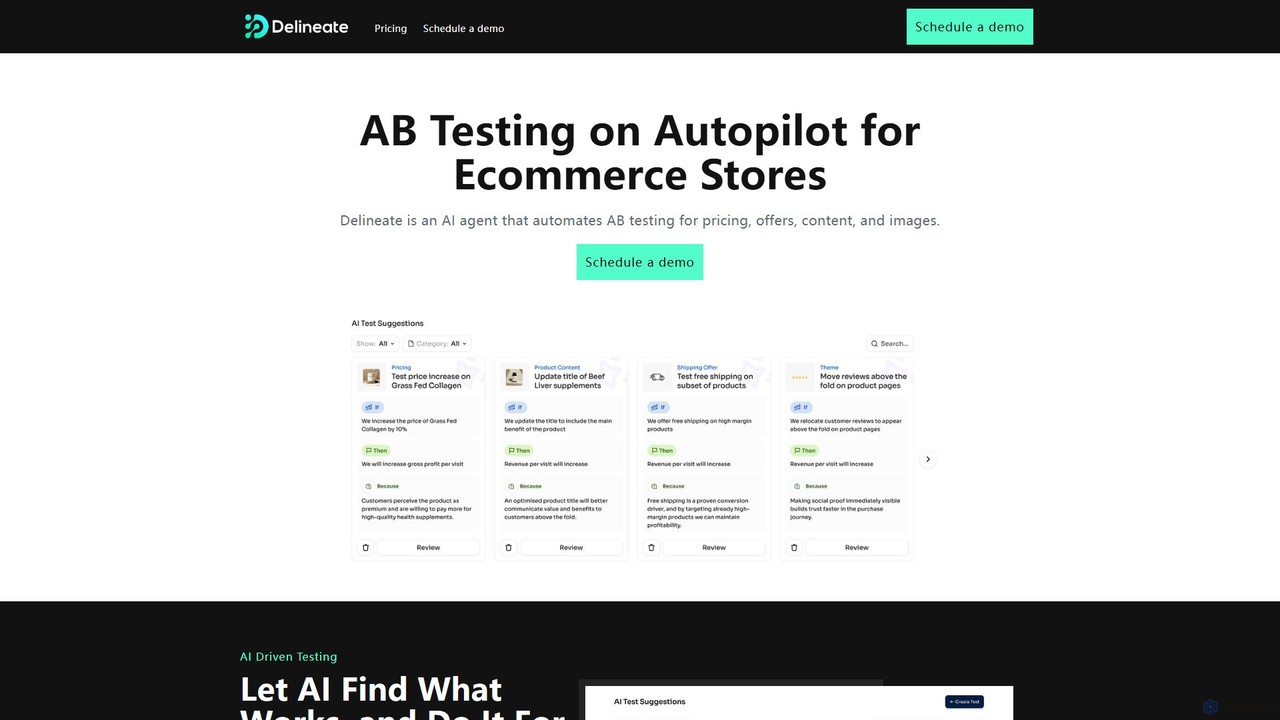
- Automated Hypothesis Generation: AI analyzes data to suggest testable hypotheses and potential variant improvements.
- Smart Variant Creation: Generates diverse test variations for UI, copy, or offers, often using generative AI.
- Dynamic Traffic Allocation: Machine learning algorithms intelligently route users to variants based on real-time performance, accelerating learning and minimizing exposure to underperforming versions.
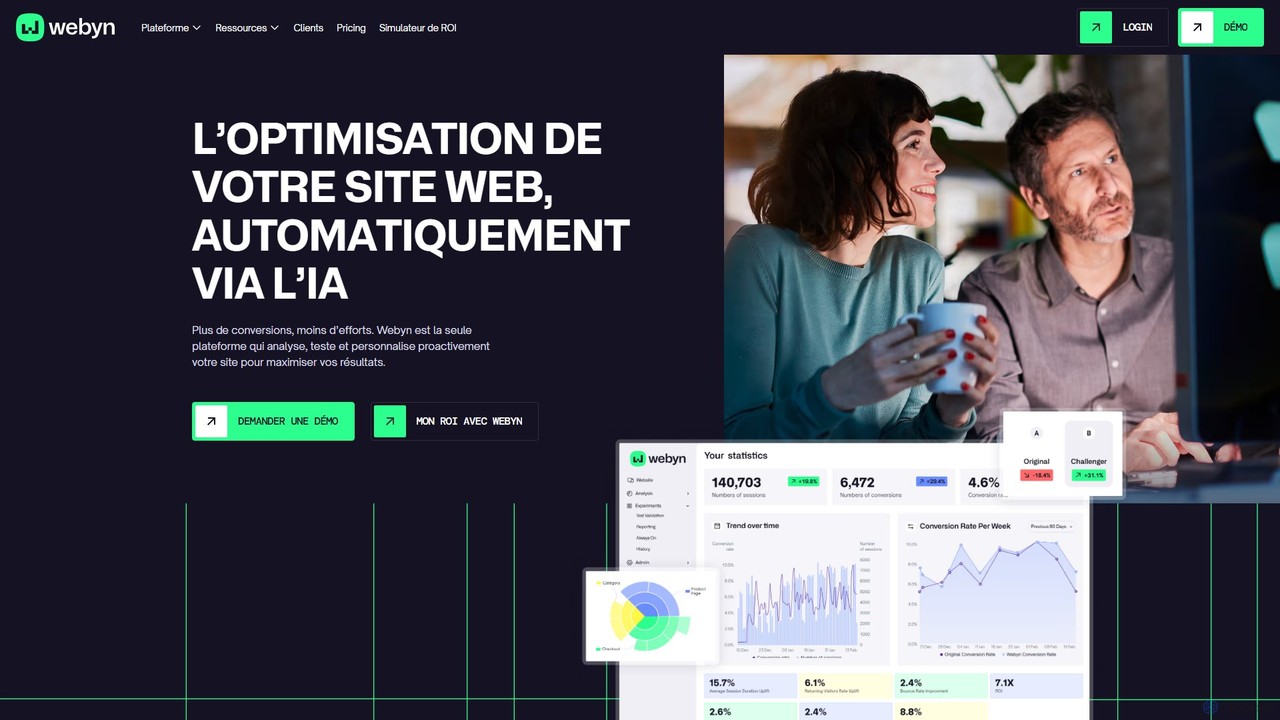
- Real-time Performance Analysis: Provides instant insights into test results, statistical significance, and impact on key metrics.
- Personalized Experimentation: Delivers tailored test experiences to different user segments for more relevant optimization.
Applicable Scenarios
Digital marketers use these tools to optimize landing pages, email subject lines, and ad creatives for higher conversion rates. Product managers apply them to test new features, UI layouts, and onboarding flows to improve user engagement and retention. E-commerce businesses leverage AI A/B testing to refine product descriptions, pricing strategies, and checkout processes, directly impacting sales and customer satisfaction.
How to Choose
When selecting an AI A/B testing tool, consider its integration capabilities with your existing analytics and marketing stacks. Evaluate the level of AI automation offered, from hypothesis generation to result interpretation, and ensure it aligns with your team's expertise. Look for robust statistical analysis features, clear reporting dashboards, and the ability to handle complex multivariate tests. Finally, assess scalability for future growth and the pricing model based on your testing volume and feature needs.