Mobile Apps Best in category 2 results Health AI Tool

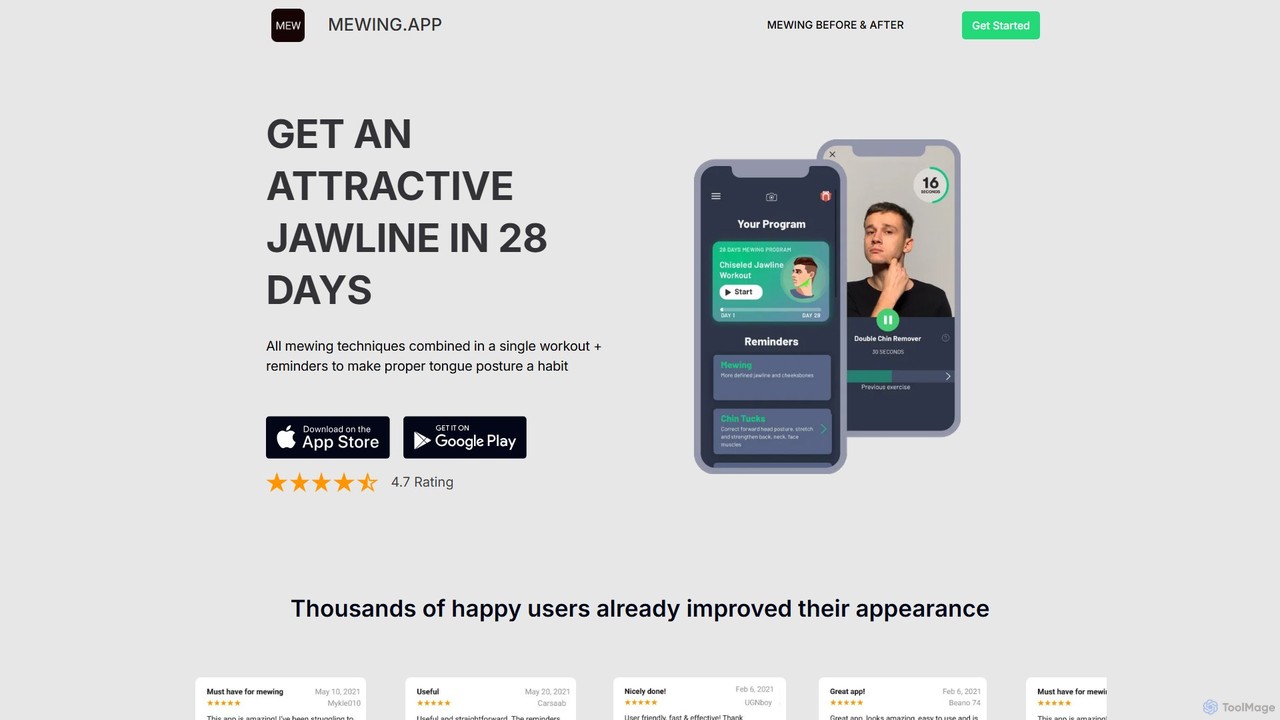
Popular AI tools in the Health field of Mobile Apps include Mewing App、BodyFatAI, etc., helping you quickly improve efficiency.

BodyFatAI

BodyFatAI

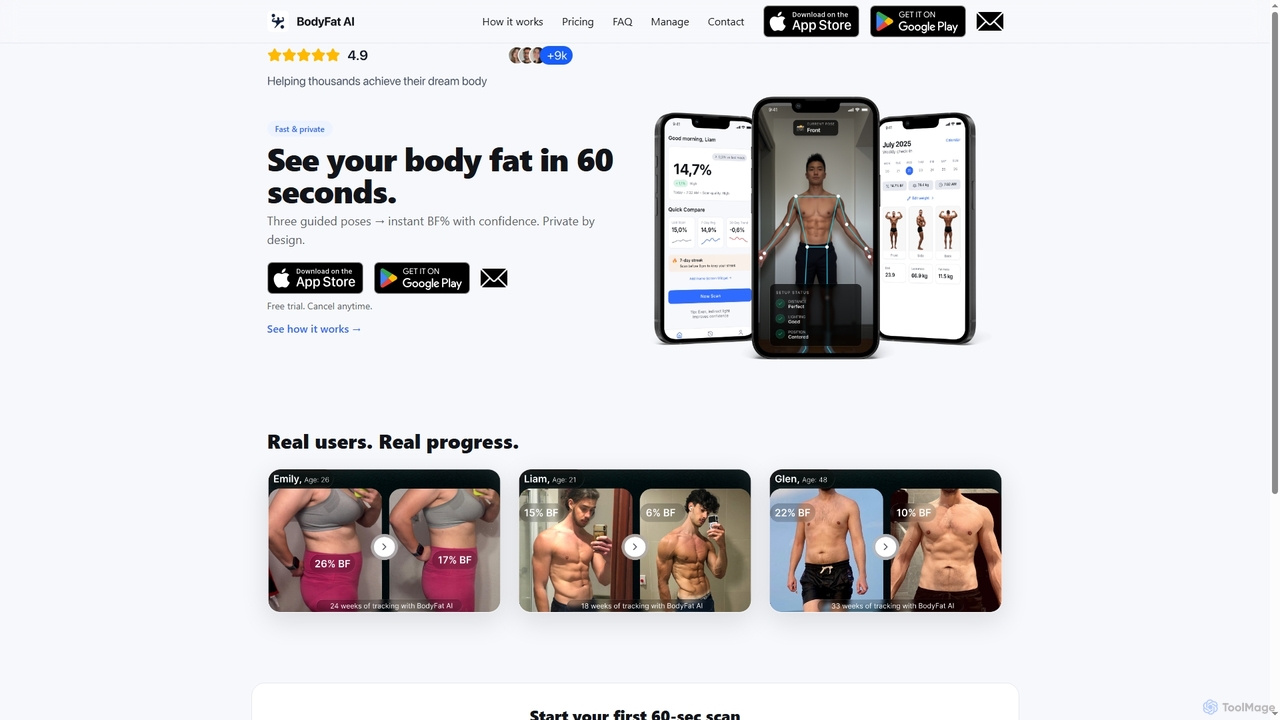
BodyFatAI is an AI-powered mobile app that estimates your body fat percentage in 60 seconds using your smartphone …

3.1K
Mewing App

Mewing App

Mewing App is your personal AI-powered mewing coach, designed to help you achieve a better jawline, improve facial …

73.0K

About Health

AI Health apps are mobile applications that use artificial intelligence to offer personalized health monitoring, preliminary diagnostics, and wellness guidance. These tools analyze user-provided data, biometric information from wearables, and behavioral patterns to deliver actionable insights. Their primary value lies in empowering users to proactively manage their physical and mental well-being, track chronic conditions, and make informed lifestyle choices. Many leverage machine learning models trained on vast medical datasets to identify trends and potential risks.

Core Features

  • Personalized Health Insights: Analyzes data like heart rate, sleep patterns, and activity levels to provide tailored health advice and risk assessments.
  • AI Symptom Checker: Offers a preliminary analysis of reported symptoms to suggest potential causes and recommend appropriate next steps.
  • Mental Wellness Support: Provides tools like AI-powered chatbots for cognitive behavioral therapy (CBT), mood tracking, and stress management exercises.
  • Predictive Health Alerts: Uses historical data to forecast potential health issues, such as blood sugar fluctuations for diabetics or high-stress periods.
  • Smart Nutrition & Fitness Planning: Creates dynamic meal and workout plans that adapt based on a user's progress, goals, and biometric feedback.

Use Cases

AI Health apps are widely used for personal health management, chronic disease monitoring (like diabetes or hypertension), and mental health support. In fitness, they provide adaptive training regimes. They also serve as preliminary triage tools, helping users decide when to seek professional medical care, and are increasingly integrated into corporate wellness programs to promote employee health.

How to Choose

When selecting an AI Health app, prioritize data privacy and security, looking for compliance with regulations like HIPAA. Evaluate the scientific or clinical validation behind the app's claims. Consider its compatibility with your existing devices (e.g., smartwatches). Finally, assess the specificity of its features to ensure it aligns with your personal health goals, whether for general wellness, fitness, or managing a specific condition.

HealthUse Cases

1

Managing Chronic Conditions like Diabetes

A person with Type 2 diabetes uses an AI health app connected to their continuous glucose monitor (CGM). The app's AI analyzes glucose levels in real-time, cross-referencing them with logged meals and activity. Instead of just showing data points, it provides predictive alerts like, 'Your current trend suggests a potential low in 60 minutes. Consider a small snack.' It also identifies long-term patterns, suggesting dietary adjustments to improve time-in-range, empowering the user to manage their condition more proactively between doctor visits.

2

AI-Powered Mental Wellness Support

A user feeling symptoms of anxiety or stress interacts with an AI chatbot within a health app. The chatbot guides them through evidence-based exercises like Cognitive Behavioral Therapy (CBT) journaling or controlled breathing techniques. It tracks mood entries over time and the AI identifies triggers, such as poor sleep correlating with higher stress levels the next day. The app can then proactively suggest a guided meditation before bedtime on subsequent nights, offering accessible, on-demand mental health support without the need for an immediate appointment.

3

Personalized Fitness and Nutrition Planning

A fitness enthusiast wants to optimize their training. They use an AI health app that syncs with their smartwatch. The AI analyzes their workout performance (heart rate zones, pace) and recovery data (sleep quality, heart rate variability). Based on this, it adjusts the next day's training plan, suggesting a lighter recovery run instead of a high-intensity session if recovery is poor. It also pairs with a nutrition module, recommending post-workout meals with the right macronutrient balance to maximize recovery and muscle gain, creating a truly adaptive fitness ecosystem.

4

Preliminary Symptom Analysis for Triage

A parent is concerned about their child's rash and fever. They use an AI symptom checker in a health app, answering a series of adaptive questions about the symptoms' appearance, duration, and associated feelings. The AI, trained on a vast medical knowledge base, analyzes the inputs and provides a list of potential conditions, ranked by likelihood. Crucially, it doesn't diagnose but provides a triage recommendation, such as 'These symptoms may warrant a visit to an urgent care clinic within 24 hours' or 'This appears non-urgent, monitor at home and consult a doctor if it worsens.' This helps users make more informed decisions about seeking care.

5

Analyzing Sleep Quality for Better Recovery

An individual struggling with daytime fatigue uses an AI health app connected to their wearable device to track sleep. The app goes beyond simple duration tracking. Its AI algorithm analyzes sleep stages (light, deep, REM), heart rate dips, and nighttime disturbances. It then generates a daily recovery score and provides specific, actionable advice. For example, it might notice that late-night screen time consistently leads to less deep sleep and suggest setting a 'digital curfew.' Over weeks, it helps the user identify and modify behaviors that negatively impact their sleep quality and overall energy levels.

6

AI-Assisted Skin Condition Screening

A user notices a new mole and is concerned about skin cancer. Using a specialized AI health app, they take a high-resolution photo of the mole following the app's guidance. The AI, trained on thousands of dermatoscopic images of both benign and malignant lesions, analyzes the photo for asymmetry, border irregularity, color variation, and diameter (the ABCDEs of melanoma). The app provides an immediate risk assessment, such as 'Low Risk' or 'High Risk - Consultation with a dermatologist is recommended.' This empowers users with preliminary information and encourages timely professional consultation when necessary.

HealthFrequently Asked Questions