Natural Language Processing Best in category 1 results Conversational Ai AI Tool

Popular AI tools in the Conversational Ai field of Natural Language Processing include Momentum AI, etc., helping you quickly improve efficiency.

Momentum AI

Momentum AI

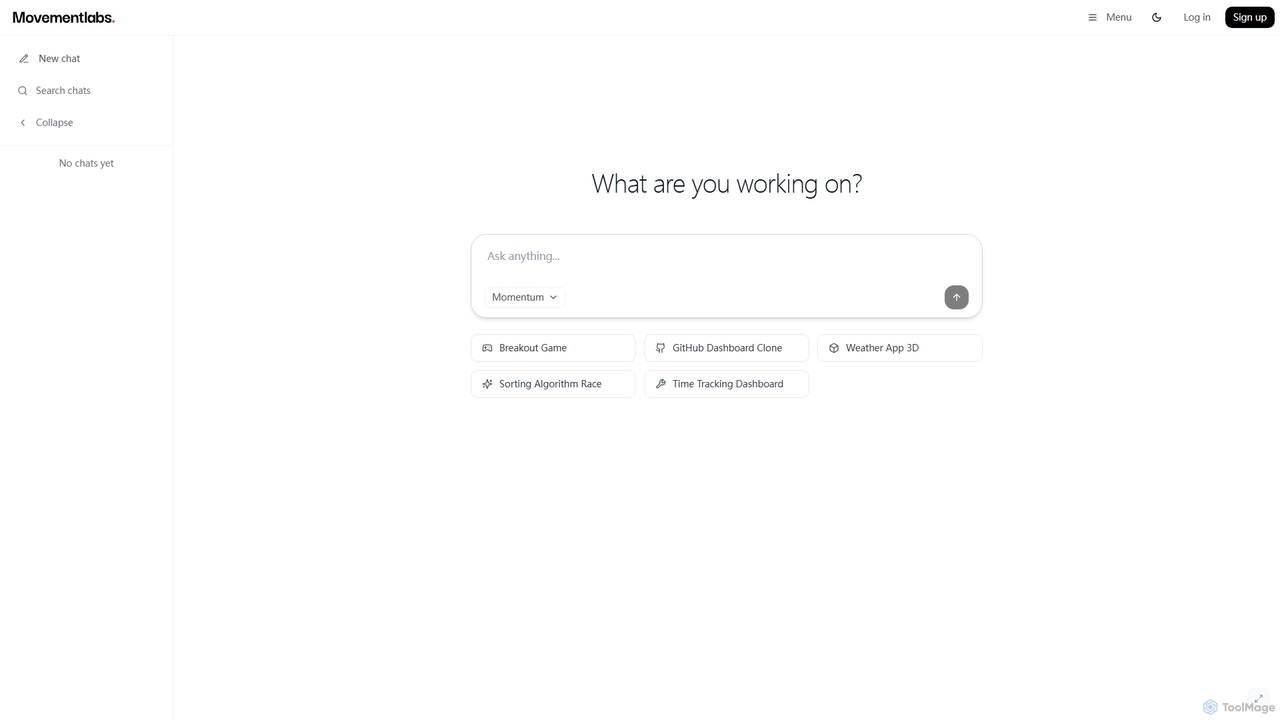
Momentum AI, developed by Movement Labs, is a high-performance artificial intelligence platform renowned for its ultra-fast inference speeds, …

2.7K

About Conversational Ai

Conversational AI tools are advanced systems that enable machines to interact with humans using natural language, mimicking human-like conversations. As a specialized branch of Natural Language Processing, they leverage Natural Language Understanding (NLU) to interpret user intent and Natural Language Generation (NLG) to formulate coherent, contextually relevant responses. These tools enhance user experience by automating communication, providing instant support, and streamlining information access across various digital platforms.

Core Features

  • Natural Language Understanding (NLU): Interprets user input, identifies intent, and extracts relevant entities from free-form text or speech.
  • Natural Language Generation (NLG): Formulates human-like text responses based on structured data and dialogue context.
  • Dialogue Management: Manages the flow of conversation, tracks context, and determines the next best action or response.
  • Context Retention: Maintains memory of past interactions to ensure continuity and relevance throughout a conversation.
  • Multichannel Deployment: Enables deployment across various platforms like websites, messaging apps, voice assistants, and IVR systems.

Applicable Scenarios

Conversational AI is widely adopted in customer service to automate routine inquiries, allowing human agents to focus on complex issues. It's also crucial in sales and marketing for personalized engagement, lead qualification, and product recommendations. Furthermore, it powers virtual assistants in healthcare for appointment scheduling and information dissemination, and in education for interactive learning support.

How to Choose

When selecting a Conversational AI tool, prioritize its NLU accuracy and ability to understand diverse user inputs. Evaluate its integration capabilities with existing CRM, ERP, or messaging platforms to ensure seamless workflow. Consider scalability to handle varying user volumes and the ease of customization for specific business needs. Finally, assess its data privacy and security features, especially for sensitive information.

Conversational AiUse Cases

1

Automating Customer Support Inquiries

Customer service departments utilize Conversational AI to handle a high volume of routine questions, such as order status, FAQs, or password resets. The AI assistant provides instant, accurate responses 24/7, reducing wait times and freeing up human agents to address more complex or sensitive customer issues, significantly improving overall service efficiency and customer satisfaction.

2

Enhancing E-commerce Shopping Experience

Online retailers deploy Conversational AI chatbots to guide shoppers through product discovery, answer questions about features or availability, and offer personalized recommendations based on browsing history or preferences. This interactive experience helps customers find what they need faster, reduces cart abandonment rates, and drives sales by making the shopping journey more engaging and efficient.

3

Streamlining Internal HR Processes

HR departments leverage Conversational AI to create virtual assistants that answer employee queries regarding company policies, benefits, payroll, or leave requests. Employees can get immediate answers without waiting for HR staff, improving internal efficiency and employee satisfaction. The AI can also assist with onboarding new hires by providing relevant information and guiding them through initial setup tasks.

4

Personalized Learning & Tutoring

Educational platforms use Conversational AI to provide personalized learning support and tutoring. Students can ask questions about course material, receive explanations, or get help with assignments in real-time. The AI adapts to individual learning paces and styles, offering tailored feedback and resources, making education more accessible and engaging for diverse learners.

5

Interactive Marketing Campaigns

Marketing teams employ Conversational AI to create interactive campaigns that engage potential customers directly. Chatbots can qualify leads by asking relevant questions, provide detailed product information, or even schedule demos. This personalized, two-way communication fosters stronger connections with the audience, gathers valuable insights, and improves conversion rates compared to static content.

6

Voice-Controlled Smart Home Devices

Manufacturers integrate Conversational AI into smart home devices, enabling users to control appliances, play music, or get information using natural voice commands. This hands-free interaction simplifies daily tasks, enhances convenience, and creates a more intuitive user experience within the home environment, making technology more accessible to a broader audience.

Conversational AiFrequently Asked Questions