Natural Language Processing Best in category 1 results Multilingual Data AI Tool

Popular AI tools in the Multilingual Data field of Natural Language Processing include OneNine, etc., helping you quickly improve efficiency.

OneNine

OneNine

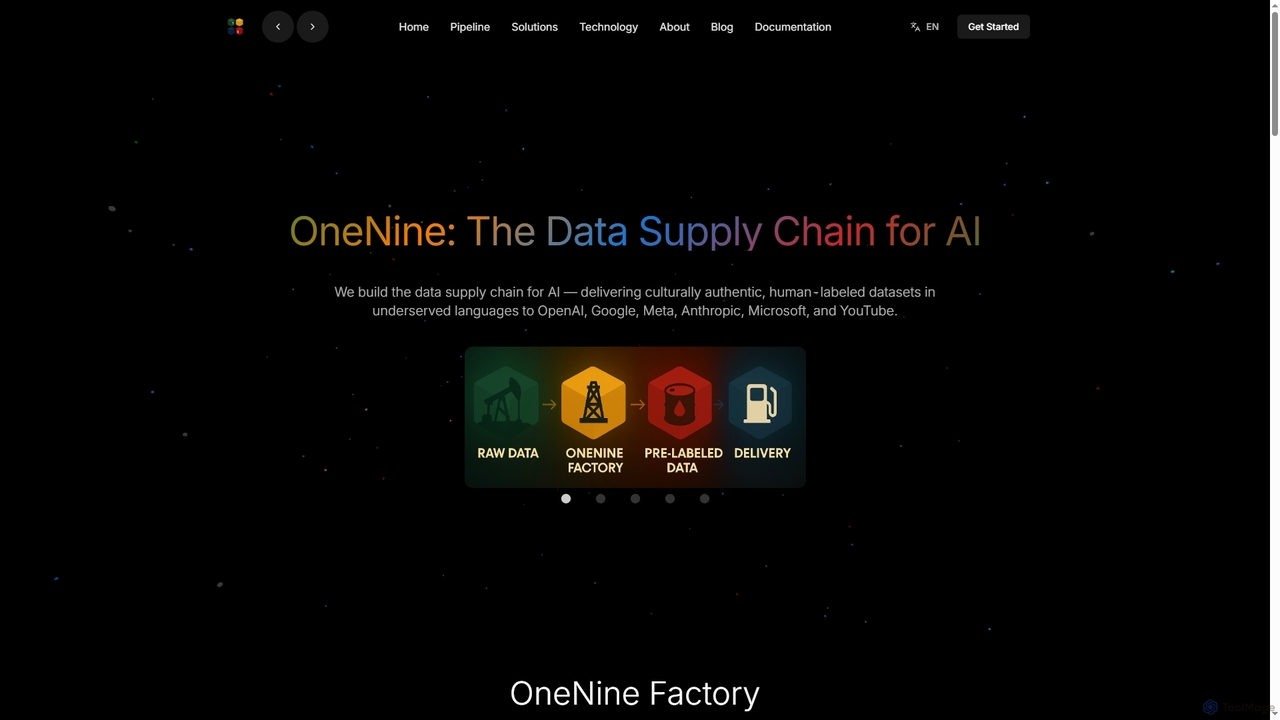
OneNine is the data supply chain for AI, specializing in delivering high-quality, culturally authentic, human-labeled datasets in underserved …

2.3K

About Multilingual Data

Multilingual Data tools are AI-powered solutions designed to process, manage, and generate information across various languages. These tools leverage advanced natural language processing (NLP) techniques to understand, translate, and synthesize linguistic data from diverse sources. They are essential for businesses and organizations operating in global markets, enabling seamless communication and data analysis across linguistic barriers. This category facilitates efficient content localization, cross-cultural communication, and comprehensive global data insights.

Core Features

  • Machine Translation: Automated conversion of text or speech from one language to another, often with context awareness.
  • Cross-Lingual Information Retrieval: Searching and extracting relevant information from documents written in different languages.
  • Multilingual Text Generation: Creating new content in multiple languages from a single source or prompt.
  • Language Identification: Automatically detecting the language of a given text or audio input.
  • Multilingual Sentiment Analysis: Analyzing emotional tone and opinions expressed in text across various languages.

Applicable Scenarios

Global enterprises utilize these tools for localizing marketing campaigns, product documentation, and customer support materials to reach diverse audiences effectively. Researchers and analysts employ them to process vast datasets from international sources, gaining insights that transcend language barriers. Content creators leverage multilingual data tools to expand their reach by generating content in multiple languages, ensuring broader accessibility and engagement.

How to Choose

When selecting Multilingual Data tools, consider the accuracy and fluency of their translation capabilities, especially for specific industry terminology. Evaluate the range of supported languages and dialects, as well as the tool's ability to handle complex linguistic nuances. Assess integration options with existing workflows and platforms, and compare pricing models based on usage volume or feature sets. Finally, prioritize tools offering robust data privacy and security measures.

Multilingual DataUse Cases

1

Localizing E-commerce Product Descriptions

E-commerce businesses use multilingual data tools to automatically translate product titles, descriptions, and reviews into multiple target languages. This enables them to launch products simultaneously in various international markets, significantly reducing manual translation costs and accelerating market entry.

2

Automating Global Customer Support

International customer service teams deploy AI tools to translate incoming customer queries and outgoing responses in real-time. This ensures that support agents can assist customers worldwide regardless of their native language, improving response times and customer satisfaction across diverse linguistic groups.

3

Analyzing International Market Trends

Market research analysts leverage multilingual data processing to analyze news articles, social media posts, and public sentiment from different countries. By translating and aggregating this data, they can identify emerging trends, competitive landscapes, and consumer preferences across global markets.

4

Generating Multilingual Marketing Content

Marketing teams utilize these tools to create localized versions of ad copy, social media posts, and website content. They can input a single source text and generate culturally appropriate variations in multiple languages, ensuring consistent brand messaging while resonating with local audiences.

5

Facilitating Cross-Border Legal Document Review

Legal professionals working on international cases use multilingual data tools to translate and analyze contracts, patents, and regulatory documents from various jurisdictions. This accelerates the review process, ensures accuracy in understanding foreign legal texts, and streamlines cross-border legal operations.

6

Building Multilingual Knowledge Bases

Companies with global operations build comprehensive knowledge bases by translating and organizing internal documentation, FAQs, and training materials into all relevant languages. This empowers employees and partners worldwide with consistent information access, fostering better collaboration and operational efficiency.

Multilingual DataFrequently Asked Questions