ToolMage
Sign in

Best 1 Community AI tools for Networking

Popular Community AI tools in Networking include Bunzee, helping you work more efficiently.

Bunzee
Freemium

Bunzee

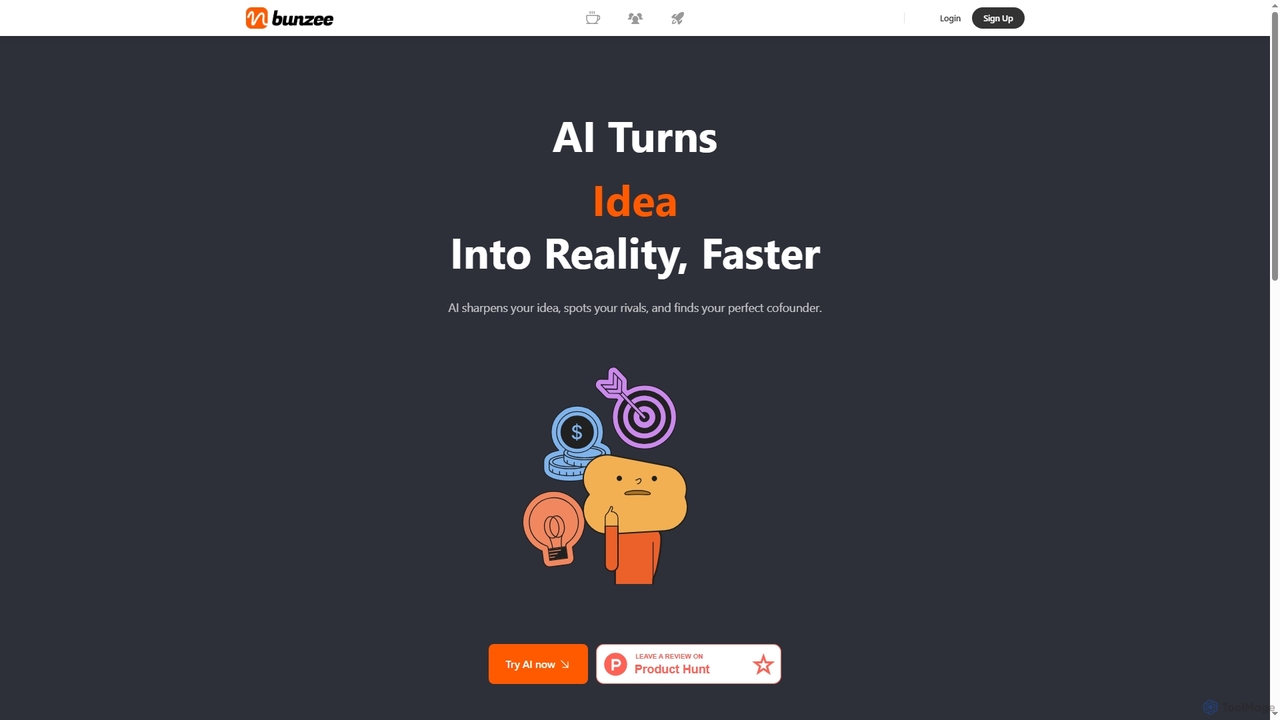
Bunzee is an AI-powered platform designed to help entrepreneurs and innovators validate ideas, build strong teams, and successfully launch projects globally. It offers comprehensive market analysis, competitor insights, and co-founder matching, fostering a collaborative environment for turning concepts into reality.

Idea Validation
Visits 4.4KFavorites 96Likes 95

About Community

Community AI tools are a specialized category within social networking, leveraging artificial intelligence to enhance the creation, management, and growth of online communities. These tools utilize AI for tasks like content moderation, sentiment analysis, personalized member engagement, and data-driven insights. They empower community managers to build more vibrant, safe, and active online spaces, improving member retention and streamlining operational workflows.

Core Features

  • Intelligent Moderation: Automatically detects and flags inappropriate content, spam, or harmful behavior, ensuring a safe environment.
  • Sentiment Analysis: Analyzes discussions to gauge overall community mood and identify specific member emotions or concerns.
  • Personalized Engagement: Recommends relevant content, connections, or activities to individual members based on their interests and past interactions.
  • Automated Q&A: Provides instant, accurate answers to frequently asked questions within community forums or chat channels.
  • Growth Analytics: Offers deep insights into member activity, engagement patterns, and community health metrics to inform growth strategies.

Applicable Scenarios

These tools are invaluable for managing large-scale online forums, brand-specific communities, and educational platforms. They help foster healthy discussions in gaming communities, support customer success in product user groups, and facilitate knowledge sharing in professional networks, ensuring consistent engagement and effective moderation across diverse platforms.

How to Choose

When selecting an AI community tool, prioritize its integration capabilities with your existing platforms (e.g., Discord, Slack, Discourse). Evaluate the depth of its AI features, such as moderation accuracy and personalization options. Consider scalability to accommodate future community growth and the robustness of its analytics and reporting features for informed decision-making.

Featured tool rankings

Community use cases

1

Automated Content Moderation for Large Forums

A community manager for a popular gaming forum uses AI tools to automatically detect and remove spam, hate speech, and off-topic discussions. This saves hundreds of hours of manual review each week, ensuring a positive and compliant environment for thousands of members.

2

Automate Large Forum Content Moderation

For online forums with millions of users, community administrators face immense pressure to moderate user-generated content. AI community tools automatically identify and flag spam, hate speech, or inappropriate images, significantly reducing manual review time. This ensures a healthy community environment, allowing administrators to focus on complex dispute resolution and strategic community development.

3

Personalized Onboarding for New Members

An online learning platform utilizes AI to analyze new student profiles and recommend relevant study groups, mentors, or courses. This tailored introduction helps new members quickly find their place, increasing their initial engagement by 30% and reducing early drop-off rates.

4

Boost Brand Community Member Engagement

Brand operators aim to increase participation within their private communities, such as WeChat groups or Discord servers. AI tools analyze member interaction frequency, topic preferences, and active times. They automatically send personalized reminders or recommend discussions to inactive members, effectively boosting overall activity and content consumption across the community.

5

Sentiment-Driven Customer Support in Brand Communities

A brand community manager monitors discussions using AI sentiment analysis to identify customers expressing frustration or dissatisfaction. The AI automatically alerts the support team, enabling proactive outreach and resolution, improving customer satisfaction scores by 15%.

6

Rapid Onboarding and Guidance for New Members

In fast-growing online communities, new members often feel lost and struggle to find their place. AI community tools can automatically identify new joiners and, based on their registration information or first interactions, recommend relevant beginner guides, popular topics, or experienced members. This helps them quickly understand community culture and find interests, reducing new member churn rates.

7

Real-time Monitoring of Community Sentiment and Risk

Community managers need to stay informed about the overall sentiment and potential conflicts within their communities. AI tools can analyze the emotional tone of user posts in real-time, identifying discussions with heightened negative sentiment or potential arguments. They issue timely alerts to administrators, enabling intervention to de-escalate conflicts and maintain a harmonious atmosphere.

8

Proactive Identification of Community Advocates

A product company employs AI to analyze member activity, identifying highly engaged users who consistently provide positive feedback and help other members. These advocates are then invited to exclusive beta programs or leadership roles, strengthening brand loyalty and peer support.

9

Streamlining Virtual Event Management

An event organizer for a professional networking community uses AI to schedule, promote, and manage virtual meetups. The AI sends personalized invitations and reminders, analyzes attendance patterns, and suggests optimal timing for future events, boosting participation by 25%.

10

Personalized Event and Content Recommendations

To enhance participation in community events and content reach, operational teams can leverage AI community tools. These tools analyze users' past participation records, browsing history, and interest tags to recommend events, live streams, or articles most aligned with each member's preferences. This significantly boosts event registration rates and content click-through rates.

11

Automated FAQ Response in Support Channels

A software company integrates an AI community tool into its Discord support server. The AI automatically answers common technical questions, freeing up human support agents to focus on complex issues. This reduces response times by 70% and improves overall support efficiency.

12

Automated FAQ Answering and Support

Many community members repeatedly ask common questions, consuming significant administrator time. AI community tools can integrate intelligent Q&A bots that automatically identify and answer these repetitive queries, such as "How do I change my profile?" or "When is the event registration deadline?". This frees up human support staff to focus on more complex, personalized user needs.

Community FAQ

What are AI Community Tools?

AI Community Tools are software solutions that leverage artificial intelligence to assist in the management, operation, and optimization of online communities. They automate tasks like content moderation, analyze user behavior, provide personalized recommendations, and facilitate intelligent interactions. Their primary goal is to enhance community health, activity, and member satisfaction by using data-driven approaches to help managers efficiently scale and maintain their community ecosystems.

What are AI Community Tools?

AI Community Tools are software solutions that leverage artificial intelligence to automate and enhance various aspects of online community management. They are designed to foster engagement, ensure safety through moderation, provide personalized experiences, and offer data-driven insights for growth. These tools go beyond basic platform features by applying advanced algorithms to understand and interact with community dynamics.

How do AI Community Tools enhance member engagement?

AI Community Tools enhance engagement by providing personalized experiences, timely interactions, and relevant content. They can recommend connections, suggest discussions based on interests, automate responses to common queries, and identify opportunities for human intervention. This tailored approach makes members feel more valued and connected, encouraging active participation and deeper interaction within the community.

How do AI Community Tools differ from traditional community management tools?

The main difference between AI community tools and traditional tools lies in their intelligent automation and data analysis capabilities. Traditional tools focus on basic management functions such as posting, deleting, and setting user permissions, requiring extensive manual operation. AI tools, however, use machine learning and natural language processing to automatically identify inappropriate content, analyze user sentiment, predict churn risk, and offer personalized interaction suggestions. This shifts community management from reactive responses to proactive optimization, offering significantly greater efficiency and depth.

How to choose the right AI Community Tool for my needs?

When selecting an AI community tool, consider several key factors: First, evaluate its core functionalities to ensure it meets specific needs like content moderation, user analysis, or personalized recommendations. Second, assess its integration capabilities with your existing community platforms (e.g., Discord, Slack, forum systems). Third, prioritize data privacy and security to ensure user information is well-protected. Finally, consider the cost-effectiveness, evaluating whether its features and pricing align with your budget and expected return on investment.

What's the difference between AI Community Tools and traditional social media management tools?

While both manage online interactions, AI Community Tools focus specifically on internal community dynamics and member experience within dedicated platforms (forums, private groups). They emphasize deep engagement, proactive moderation, and personalized support. Traditional social media management tools, conversely, are primarily for public outreach, content scheduling, and broad audience analytics across public social networks.

What key features should I look for in an AI Community Tool?

When choosing an AI Community Tool, prioritize intelligent content moderation for safety, robust sentiment analysis for understanding member mood, and personalized recommendation engines for engagement. Also, look for automated Q&A capabilities, comprehensive growth analytics, and seamless integration with your existing community platforms to maximize efficiency and impact.

What are the main features of AI Community Tools?

The core features of AI Community Tools include: Intelligent content moderation, which automatically identifies and filters spam and inappropriate content; user behavior analytics, providing insights into member activity, preferences, and interaction patterns; personalized recommendations, suggesting relevant content, events, or connections based on user interests; automated interactions, such as smart Q&A and new member onboarding; and community health assessment, monitoring real-time sentiment and risks. These features collectively enhance community operational efficiency and user experience.

Who benefits most from using AI Community Tools?

Community managers, brand managers, online educators, and administrators of large online groups or forums benefit significantly. These tools help them scale operations, maintain a positive environment, understand member needs better, and drive growth without being overwhelmed by manual tasks. They are ideal for anyone looking to cultivate a thriving, self-sustaining online community.

Which types of communities are best suited for AI Community Tools?

While any online community can benefit, AI community tools are particularly well-suited for: Large and active forums or social platforms that need to process vast amounts of user-generated content and complex interactions; brand or product communities aiming to boost user loyalty and gather product feedback; educational or interest-based communities requiring personalized learning paths and content recommendations; and gaming or developer communities needing efficient Q&A support and problem resolution. These communities typically have high demands for efficiency and user experience.