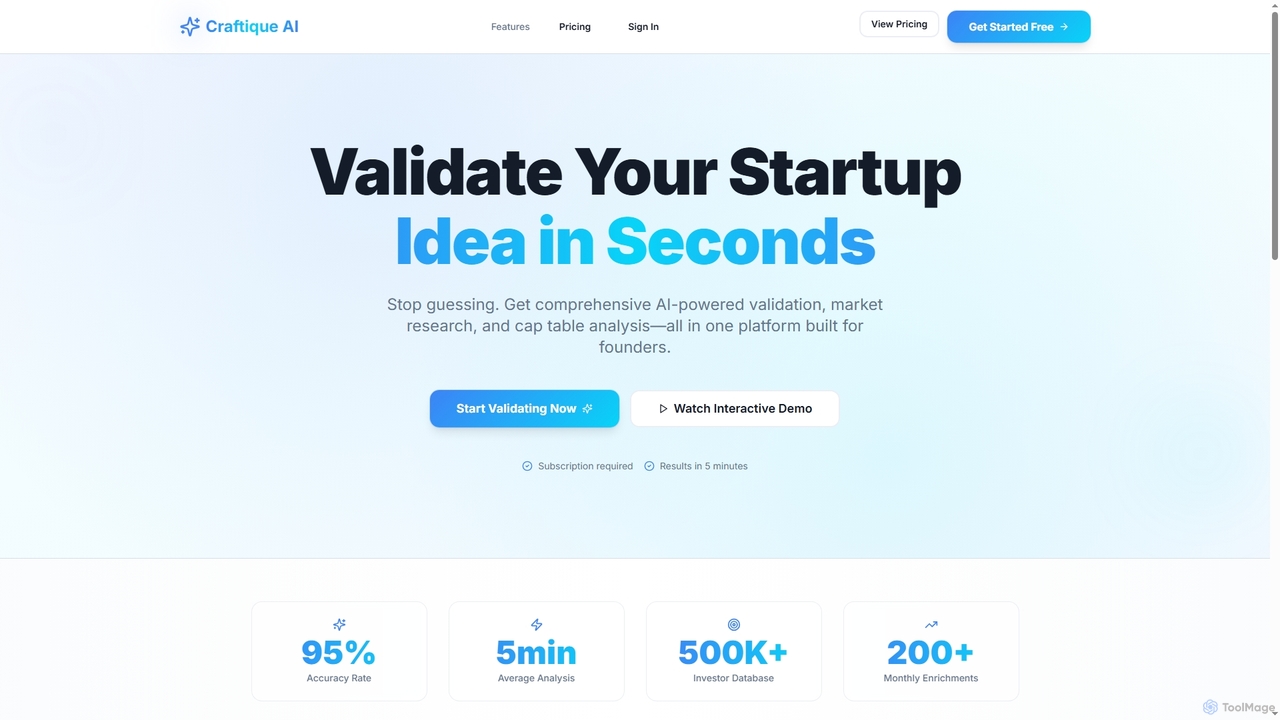
Investor Relations AI tools are specialized artificial intelligence applications designed to streamline and enhance communication between public companies and their investors. These tools leverage natural language processing (NLP), machine learning, and data analytics to automate routine tasks, analyze market sentiment, and personalize stakeholder engagement. They empower investor relations (IR) professionals to efficiently manage financial disclosures, respond to inquiries, and monitor public perception, ultimately fostering transparency and trust.
Core Features
- Automated Reporting & Disclosure: Generates regulatory filings, earnings reports, and investor presentations by extracting and summarizing financial data.
- Sentiment Analysis: Monitors news, social media, and analyst reports to gauge market sentiment towards the company and its competitors.
- Personalized Investor Communication: Crafts tailored emails, updates, and responses to individual investor queries based on their profile and past interactions.
- Q&A Automation: Provides instant, accurate answers to common investor questions using AI-powered chatbots, reducing manual workload.
- Compliance Monitoring: Tracks regulatory changes and ensures all investor communications adhere to legal and ethical standards.
Use Cases
These tools are primarily used by investor relations departments in publicly traded companies, financial advisory firms, and corporate communications teams. They facilitate efficient management of quarterly earnings calls, annual shareholder meetings, and ongoing investor outreach. By automating data-heavy tasks and providing real-time insights, IR professionals can focus on strategic engagement and relationship building.
How to Choose
When selecting Investor Relations AI tools, consider their data integration capabilities with existing financial systems, the accuracy of their NLP for sentiment analysis and Q&A, and the level of customization offered for reporting and communication templates. Evaluate security protocols to protect sensitive financial data and ensure compliance features meet regulatory requirements. Scalability and user-friendliness for the IR team are also crucial factors.