Storly
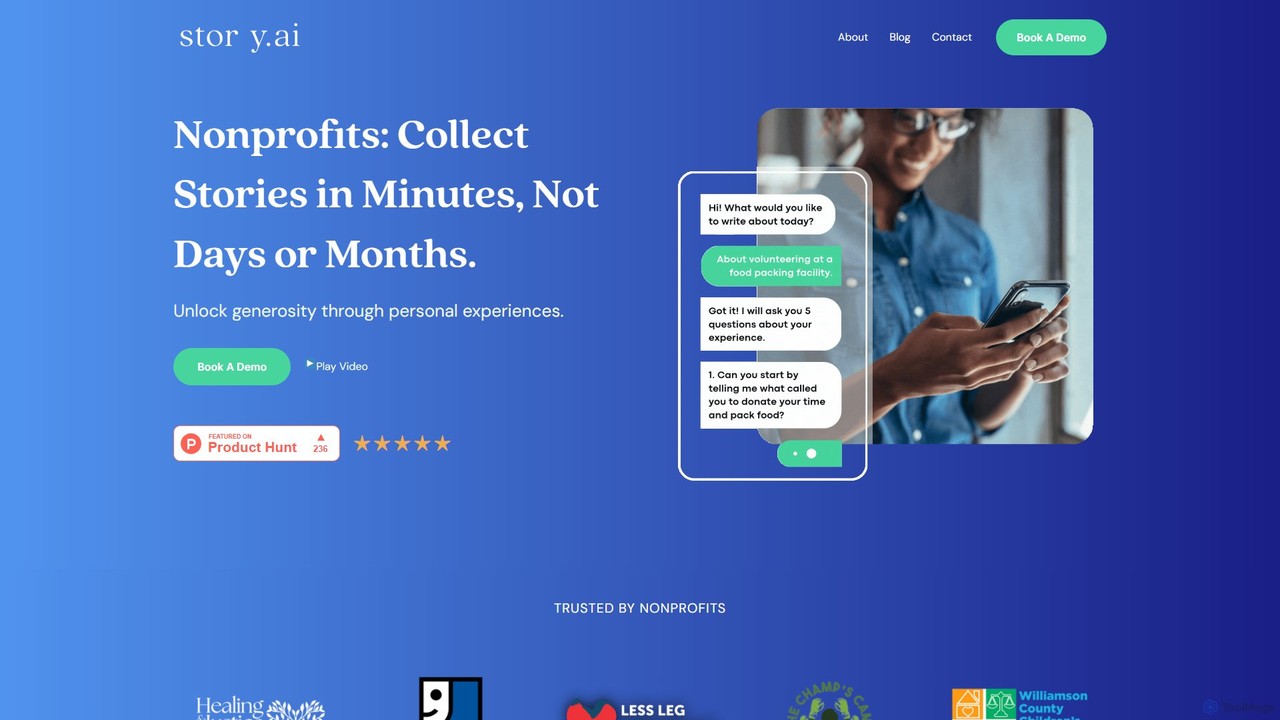
Storly is an AI-powered platform designed for non-profit organizations to effortlessly collect and generate compelling personal stories from …
Storly is an AI-powered platform designed for non-profit organizations to effortlessly collect and generate compelling personal stories from their communities. It automates the interview process, transforming responses into well-crafted narratives, social media content, and video testimonials in minutes, saving significant time and resources while boosting donor engagement and brand exposure.
onegift
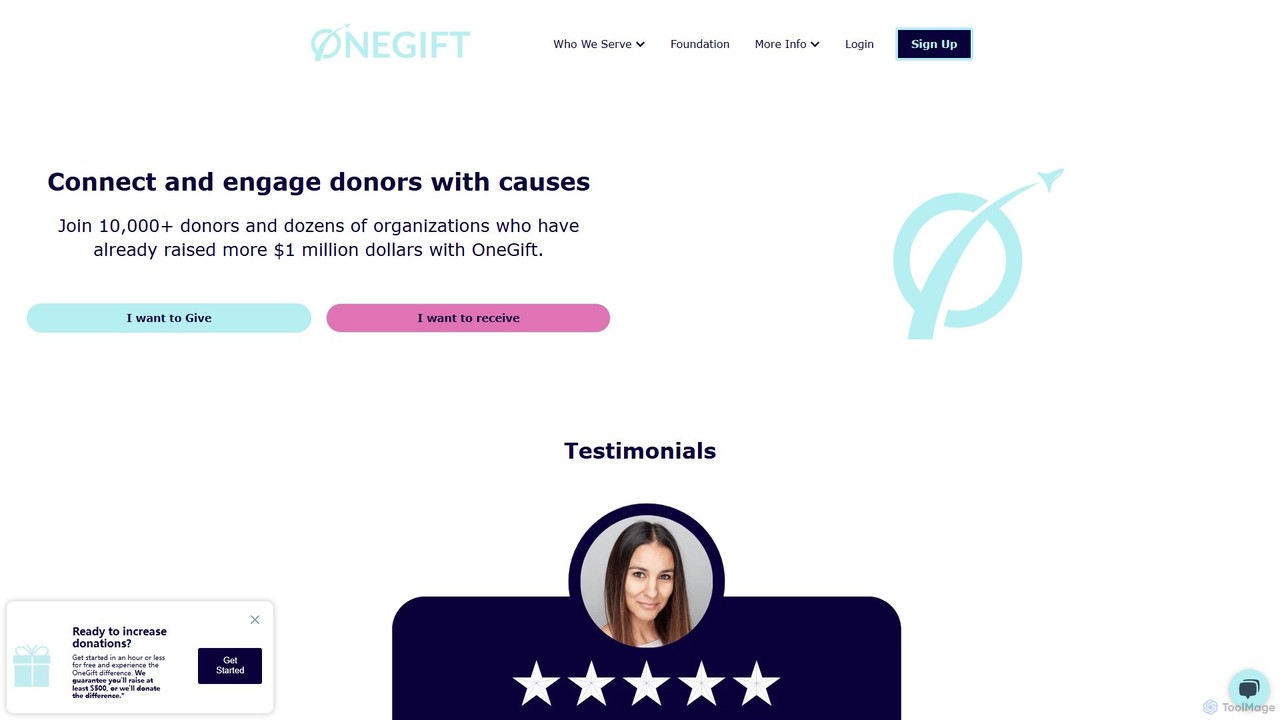
onegift is an AI-powered fundraising platform designed for non-profits, communities, and charities. It transforms personal celebrations, like birthdays, …
onegift is an AI-powered fundraising platform designed for non-profits, communities, and charities. It transforms personal celebrations, like birthdays, into impactful fundraising opportunities. By automating campaign creation and fostering community engagement through its Wish Well platform, onegift helps organizations increase recurring donations and connect with supporters in a meaningful way.
About Nonprofit
Nonprofit AI tools are AI-powered solutions specifically designed to empower charitable organizations, NGOs, and social enterprises in achieving their missions. These tools leverage advanced artificial intelligence, including machine learning and natural language processing, to automate routine tasks, analyze complex data, and personalize interactions. By integrating AI, nonprofits can optimize fundraising efforts, streamline volunteer management, enhance donor engagement, and improve the efficiency of their program delivery, ultimately maximizing their social impact.
Core Features
- Predictive Analytics: Forecast fundraising trends, identify potential major donors, and predict donor churn to optimize outreach strategies.
- Automated Communication: Personalize donor emails, manage volunteer inquiries, and automate responses to common questions, saving staff time.
- Grant Writing Assistance: Generate initial drafts for grant proposals, identify relevant funding opportunities, and ensure compliance with application requirements.
- Impact Measurement & Reporting: Collect, analyze, and visualize program data to demonstrate social impact and create compelling reports for stakeholders.
- Volunteer Management Optimization: Match volunteers with suitable roles, schedule shifts, and manage communication efficiently based on skills and availability.
Use Cases
Nonprofit organizations utilize AI tools across various departments to enhance operational efficiency and strategic impact. For instance, development teams employ AI for donor segmentation and personalized fundraising appeals, while program managers use it to track beneficiary progress and measure outcomes. Marketing and communications teams leverage AI to create targeted campaigns and automate social media content, ensuring consistent and engaging outreach to their communities and supporters.
How to Choose
Selecting the right AI tool for a nonprofit requires careful consideration of several factors. Prioritize tools that align with your specific mission and operational needs, such as fundraising, volunteer coordination, or data analysis. Evaluate the ease of integration with existing systems, the level of data security and privacy compliance, and the overall cost-effectiveness, including potential for long-term scalability. User-friendliness and robust customer support are also crucial for successful adoption within the organization.
NonprofitUse Cases
Optimizing Donor Engagement and Fundraising Campaigns
Development teams can use AI tools to analyze donor data, identify patterns in giving behavior, and segment donors into specific groups. This allows for highly personalized outreach, crafting tailored messages and campaigns that resonate with individual donors, predicting the likelihood of future donations, and identifying potential major gift prospects, significantly increasing fundraising success rates and donor retention.
Streamlining Volunteer Recruitment and Management
Volunteer coordinators leverage AI to match potential volunteers with roles that best suit their skills, availability, and interests. AI can automate the screening process, schedule interviews, send reminders, and manage communication, reducing administrative burden. This ensures a more efficient allocation of human resources, improves volunteer satisfaction, and enhances the overall effectiveness of volunteer-led programs.
Enhancing Grant Proposal Writing and Discovery
Grant writers can utilize AI-powered assistants to research potential funding opportunities, identify grants that align with the organization's mission, and even generate initial drafts of grant proposals. These tools can help ensure compliance with specific grant requirements, improve the clarity and persuasiveness of the language, and significantly reduce the time spent on the often laborious grant application process, increasing the chances of securing vital funding.
Measuring and Reporting Social Impact Effectively
Program managers employ AI to collect, analyze, and visualize data related to their initiatives' outcomes. AI can process large datasets from surveys, feedback forms, and program metrics to identify key trends and demonstrate the tangible impact of their work. This facilitates the creation of compelling, data-driven reports for funders, stakeholders, and the public, enhancing transparency and accountability.
Personalizing Outreach and Communication with Beneficiaries
Organizations serving specific communities can use AI to tailor communication with beneficiaries based on their individual needs, preferences, and engagement history. This includes sending personalized updates, relevant resource information, or program invitations. By understanding beneficiary behavior and preferences, AI helps deliver more effective and empathetic support, fostering stronger relationships and improving program participation.
Automating Administrative Tasks and Operational Efficiency
Nonprofit staff can deploy AI tools to automate various administrative tasks, such as data entry, scheduling meetings, managing email inquiries, and categorizing documents. This frees up valuable human resources from repetitive work, allowing them to focus on core mission-driven activities. The automation leads to reduced operational costs, improved accuracy, and overall greater efficiency across the organization.