Operations Best in category 1 results Inventory Management AI Tool

Popular AI tools in the Inventory Management field of Operations include Focal Systems, etc., helping you quickly improve efficiency.

Focal Systems

Focal Systems

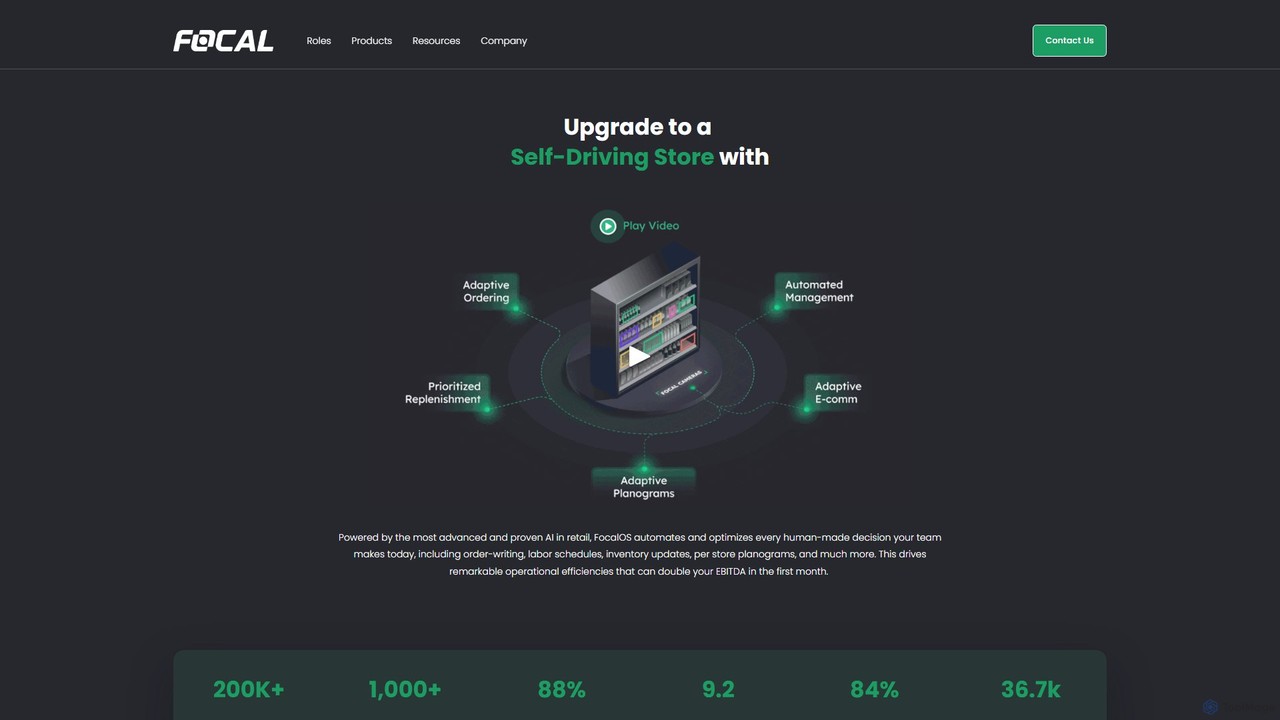
Focal Systems provides FocalOS, an AI-powered operating system that transforms physical retail stores into "Self-Driving Stores." By using …

61.9K

About Inventory Management

AI-powered Inventory Management tools are designed to automate and optimize the tracking, control, and forecasting of goods and materials within a business. Leveraging advanced algorithms and machine learning, these systems provide real-time visibility into stock levels, predict future demand, and streamline warehouse operations. Their primary value lies in minimizing carrying costs, preventing stockouts, and improving overall supply chain efficiency.

Core Features

  • Demand Forecasting: Utilizes historical data and external factors to predict future product demand with high accuracy.
  • Automated Reordering: Automatically triggers purchase orders or production requests when stock levels hit predefined thresholds.
  • Real-time Tracking: Provides live updates on inventory movement, location, and status across multiple warehouses or sales channels.
  • Warehouse Optimization: Suggests optimal storage locations and picking routes to maximize space utilization and operational efficiency.
  • Anomaly Detection: Identifies unusual stock movements, potential shrinkage, or data discrepancies for proactive intervention.

Applicable Scenarios

These tools are vital for businesses across retail, manufacturing, logistics, and e-commerce. Retailers use them to manage diverse product catalogs and seasonal demand, while manufacturers optimize raw material and finished goods stock. Logistics providers leverage them for efficient warehouse operations and distribution, ensuring timely delivery and reduced holding costs.

How to Choose

When selecting an AI inventory management solution, consider its integration capabilities with existing ERP or e-commerce platforms, the accuracy of its forecasting models, and its scalability to match business growth. Evaluate the level of automation offered, the user interface's intuitiveness, and the vendor's support for data migration and ongoing optimization.

Inventory ManagementUse Cases

1

Optimizing E-commerce Stock Levels

An online retailer uses AI to analyze sales trends, seasonality, and marketing campaigns, automatically adjusting stock levels for thousands of SKUs to prevent both overstocking and stockouts. This ensures popular items are always available, minimizing lost sales and reducing capital tied up in excess inventory.

2

Predictive Maintenance Parts Management

A manufacturing plant employs AI to forecast the need for spare parts based on equipment usage, maintenance schedules, and failure rates. This ensures critical components are on hand precisely when needed, minimizing costly downtime and improving overall operational reliability.

3

Automated Warehouse Picking Route Generation

A logistics company integrates AI to dynamically generate the most efficient picking routes for warehouse staff, considering order priority, item location, and picker availability. This significantly reduces order fulfillment times by optimizing travel paths and minimizing idle time, leading to faster deliveries and improved customer satisfaction.

4

Seasonal Demand Planning for Retail

A fashion brand leverages AI to predict demand for upcoming collections based on historical sales, social media trends, and economic indicators. This allows them to optimize initial order quantities and subsequent replenishment strategies, ensuring they meet peak season demand without excessive leftover stock.

5

Multi-Location Inventory Synchronization

A chain of grocery stores uses AI to synchronize inventory across all branches and central warehouses, enabling real-time stock transfers and reducing waste from expired goods. By identifying optimal redistribution opportunities, the system ensures product freshness and availability across the entire network, minimizing losses.

6

Identifying Slow-Moving or Obsolete Stock

A distributor utilizes AI to analyze inventory turnover rates and sales velocity, automatically flagging slow-moving or obsolete items. This allows for timely promotions, liquidation, or strategic removal to free up capital and warehouse space, preventing long-term holding costs and potential write-offs.

Inventory ManagementFrequently Asked Questions