Business Best in category 4 results Retail AI Tool

Popular AI tools in the Retail field of Business include Focal Systems、LEAFIO AI、Retalon、Dimestore, etc., helping you quickly improve efficiency.

Dimestore

Dimestore

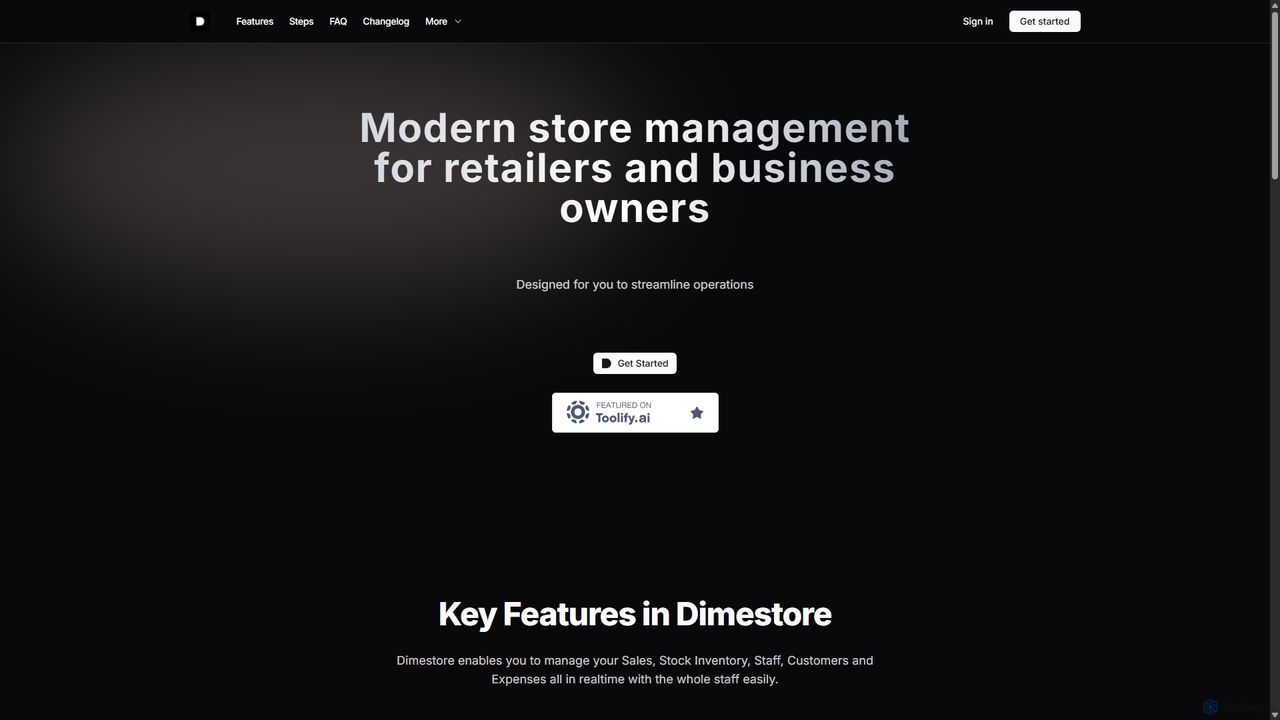
Dimestore is a modern, all-in-one store management solution for retailers and business owners. It streamlines operations by integrating …

3.4K
Focal Systems

Focal Systems

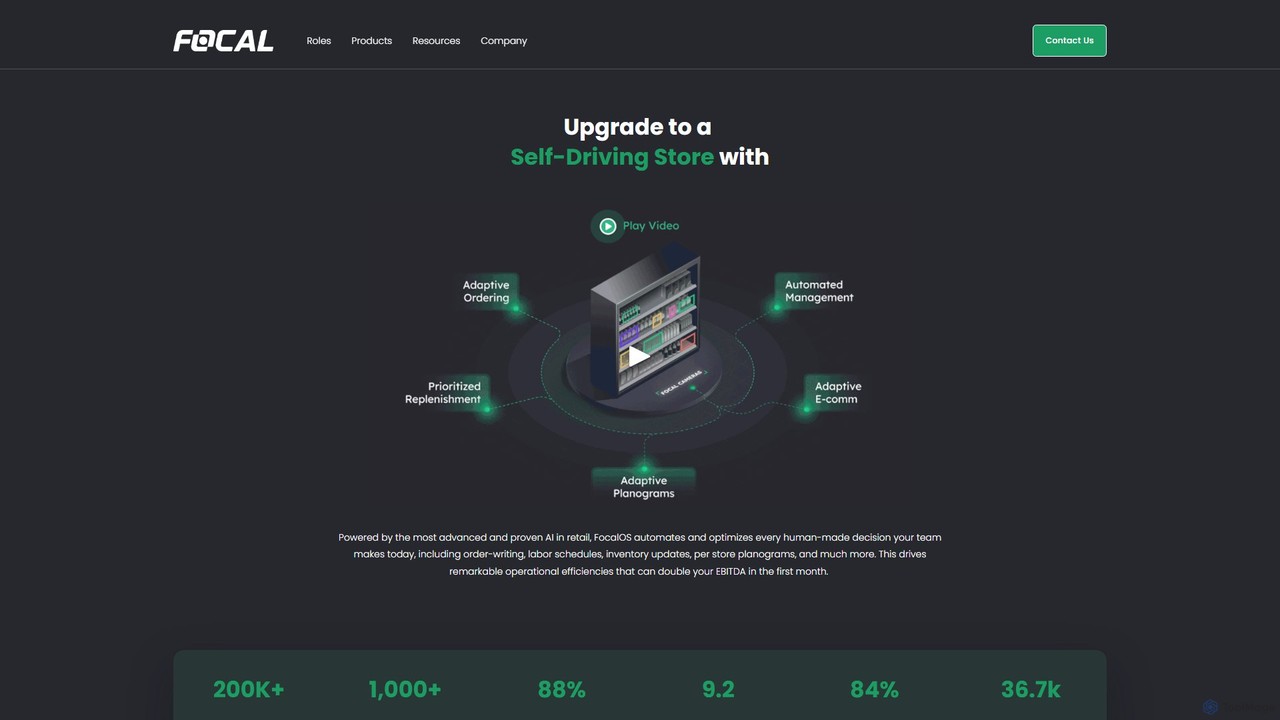
Focal Systems provides FocalOS, an AI-powered operating system that transforms physical retail stores into "Self-Driving Stores." By using …

50.8K
Retalon

Retalon

Retalon is an AI-powered unified analytics platform for retailers, designed to optimize inventory, pricing, supply chain, and merchandising. …

19.8K
LEAFIO AI

LEAFIO AI

LEAFIO AI is an AI-driven retail automation platform designed to optimize supply chain, inventory management, and merchandising processes. …

38.1K

About Retail

AI Retail tools are specialized applications designed to optimize operations and enhance customer experiences within the retail sector. They leverage machine learning and data analytics to automate processes from supply chain management to point of sale. These tools help retailers make data-driven decisions, personalize marketing, and forecast demand with greater accuracy. By analyzing vast amounts of data, they uncover patterns that improve inventory management, pricing strategies, and overall profitability.

Core Features

  • Demand Forecasting: Predicts future product demand based on historical sales, seasonality, and market trends.
  • Personalized Recommendations: Analyzes customer behavior to suggest relevant products on e-commerce sites and in marketing emails.
  • Dynamic Pricing Optimization: Automatically adjusts product prices in response to competitor pricing, demand, and inventory levels.
  • In-Store Analytics: Uses computer vision to analyze foot traffic, customer paths, and product interactions in physical stores.
  • Inventory Management: Automates stock level monitoring and replenishment orders to prevent stockouts and overstock situations.

Use Cases

These tools are essential for e-commerce managers, supply chain coordinators, and marketing teams in both online and brick-and-mortar retail environments. They are used for tasks like optimizing online store layouts, managing stock across multiple locations, and creating targeted promotional campaigns that resonate with specific customer segments.

How to Choose

When selecting an AI Retail tool, consider its integration capabilities with your existing systems (e.g., POS, ERP, CRM). Evaluate the specificity of its models for your retail niche, such as fashion or groceries. Also, assess the tool's scalability to handle your data volume and the level of technical expertise required for implementation and maintenance.

RetailUse Cases

1

Enhance E-commerce Personalization

An online fashion retailer uses an AI recommendation engine to analyze a customer's browsing history, past purchases, and items in their cart. The tool then generates a personalized 'Styled for You' section on the homepage and product pages. This leads to a higher conversion rate and increases the average order value by suggesting complementary items like shoes and accessories that match a selected dress.

2

Automate Inventory Demand Forecasting

A supermarket chain implements an AI tool to forecast demand for fresh produce. The system analyzes historical sales data, weather forecasts, local events, and promotional schedules. Based on its predictions, it automatically suggests optimal order quantities to suppliers, significantly reducing food spoilage from overstocking and preventing lost sales from stockouts of popular items.

3

Optimize Physical Store Layout

A large electronics store installs AI-powered cameras that anonymously track shopper movements. The system generates heatmaps showing high-traffic zones and identifies which product displays have the highest engagement. Store managers use this data to place high-margin products and promotional items in the most visible locations, boosting sales of key products and improving the overall shopping experience.

4

Implement Dynamic Pricing Strategies

An online consumer electronics retailer uses an AI pricing tool to stay competitive. The tool continuously monitors competitor prices, stock levels, and real-time demand for popular items like smartphones. It automatically adjusts prices within pre-set margins to either match a competitor's discount or increase the price slightly when demand is high and stock is low, maximizing profit margins.

5

Analyze Customer Feedback at Scale

A global cosmetics brand uses an AI sentiment analysis tool to process thousands of customer reviews from its website, social media, and retail partners. The tool identifies recurring themes, such as complaints about a new foundation's packaging or praise for a lipstick's longevity. This allows the product development team to quickly address issues and highlight popular features in future marketing campaigns.

6

Power Intelligent Customer Support Chatbots

A home improvement retailer deploys an AI chatbot on its website. The chatbot is trained on the company's product catalog and FAQ database. It can instantly answer customer questions about product specifications, stock availability at local stores, and order status. This frees up human support agents to handle more complex inquiries, reducing wait times and improving customer satisfaction.

RetailFrequently Asked Questions