Mosen
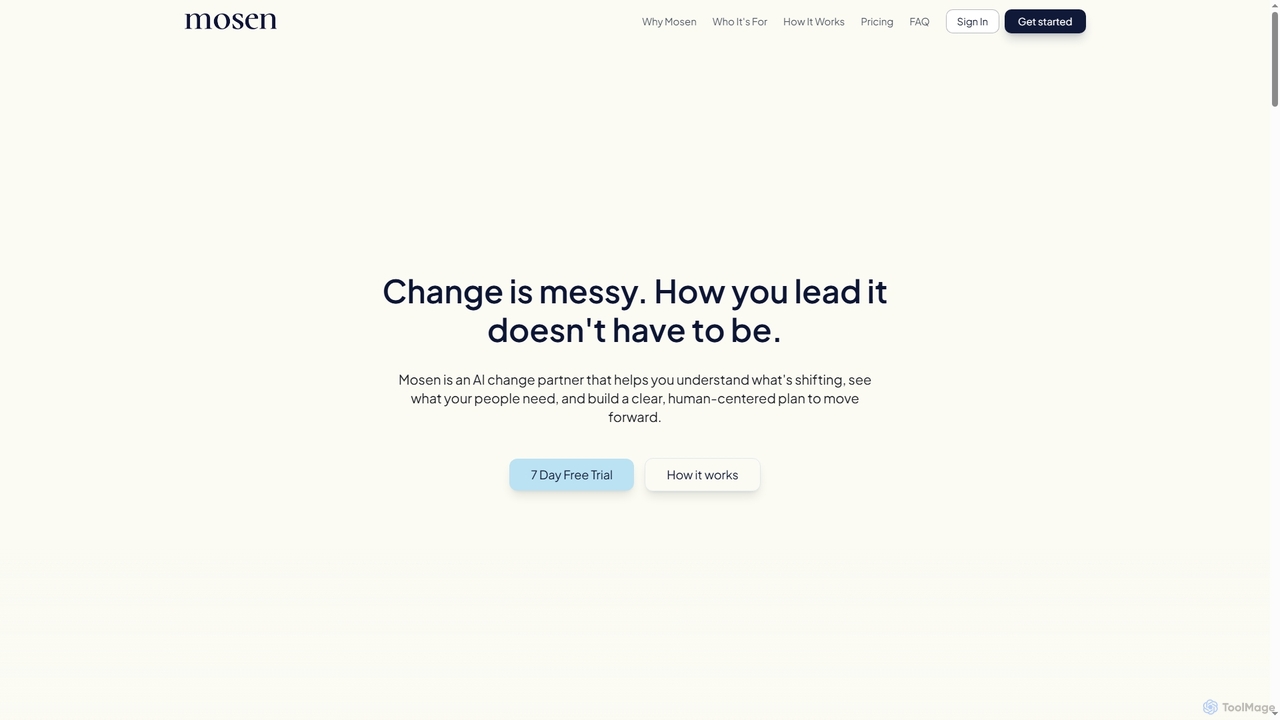
Mosen is an AI change partner designed to help leaders navigate complex organizational transformations. It provides human-centered plans, …
Mosen is an AI change partner designed to help leaders navigate complex organizational transformations. It provides human-centered plans, ready-to-use communication content, and adaptive guidance to ensure successful adoption and alignment, moving from chaos to confident action.
ChangeMap
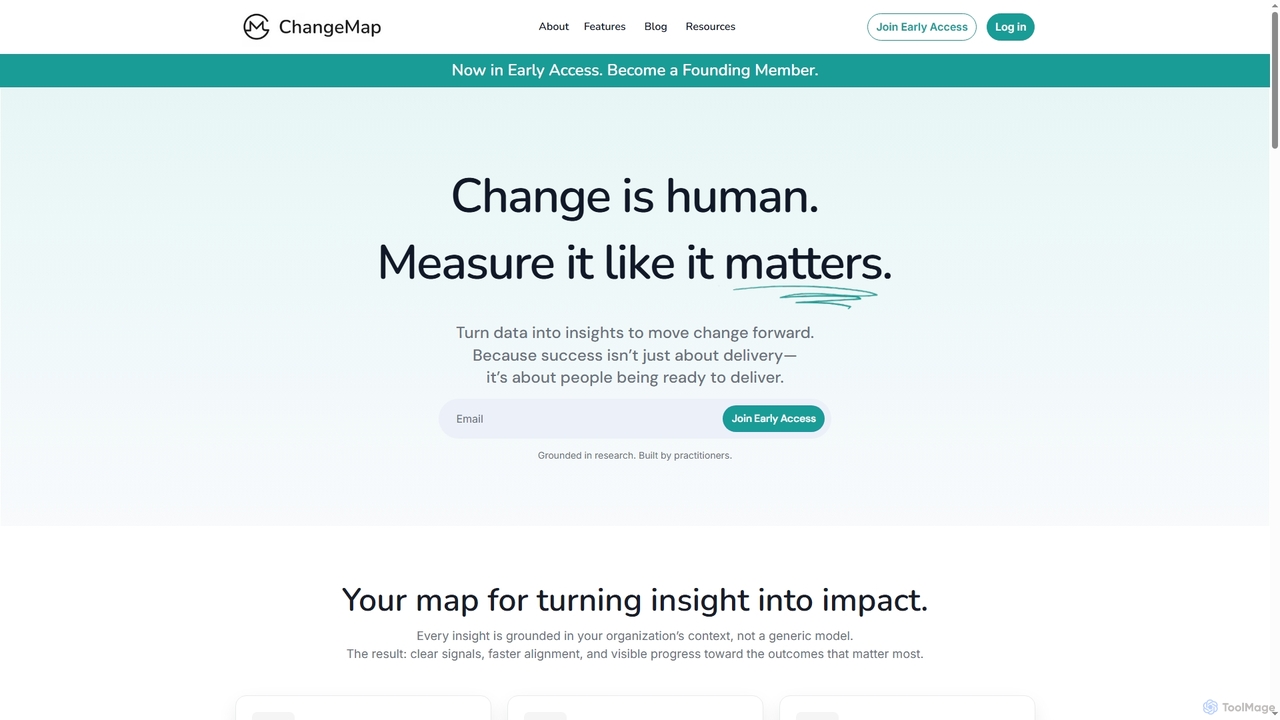
ChangeMap is an AI-powered platform designed for organizational change management, transforming human-centric data into actionable insights. It helps …
ChangeMap is an AI-powered platform designed for organizational change management, transforming human-centric data into actionable insights. It helps leaders measure readiness, track adoption, analyze sentiment, and build adaptive change plans to ensure successful transformations.
About Organizational Development
Organizational Development tools are AI-powered solutions designed to enhance an organization's overall effectiveness, health, and capacity for change. These tools leverage artificial intelligence to analyze vast amounts of data, automate strategic HR processes, and provide actionable insights into workforce dynamics and organizational culture. They empower leaders and HR professionals to make data-driven decisions, foster a positive work environment, and proactively adapt to evolving business landscapes.
Core Features
- Workforce Analytics: Provides deep insights into employee performance, engagement, and retention trends through data analysis.
- Talent Management Optimization: Automates and refines processes for recruitment, onboarding, skill development, and succession planning.
- Change Management Support: Assists in planning, executing, and monitoring organizational change initiatives with predictive insights.
- Employee Engagement & Feedback: Gathers and analyzes employee sentiment, offering personalized recommendations for improving satisfaction and productivity.
- Performance Management Enhancement: Streamlines goal setting, feedback cycles, and performance reviews with AI-driven insights and automation.
Applicable Scenarios
HR departments utilize these tools for strategic workforce planning, identifying skill gaps, and improving employee retention. Leadership teams leverage AI for cultural assessments and guiding organizational transformation initiatives. Project managers can use them to optimize team structures and improve collaboration dynamics within complex projects.
How to Choose
When selecting Organizational Development tools, consider the breadth of HR functions covered (e.g., talent, performance, engagement), the depth of AI analytics offered, and integration capabilities with existing HRIS or ERP systems. Evaluate the tool's ability to provide actionable insights, its scalability for future growth, and the level of data security and compliance it offers.
Organizational DevelopmentUse Cases
Optimizing Talent Acquisition & Onboarding
HR managers use AI-powered Organizational Development tools to streamline the entire talent acquisition process, from identifying best-fit candidates through predictive analytics to personalizing onboarding experiences. This reduces time-to-hire, improves candidate quality, and ensures new hires are integrated efficiently, leading to higher retention rates and faster productivity.
Enhancing Employee Engagement & Retention
Organizations deploy these tools to continuously monitor employee sentiment through surveys and communication analysis, identifying potential disengagement risks early. AI provides insights into factors affecting morale and suggests targeted interventions, such as personalized learning paths or recognition programs, significantly improving employee satisfaction and reducing voluntary turnover.
Facilitating Data-Driven Change Management
Leaders planning major organizational shifts, like mergers or digital transformations, leverage AI to predict potential resistance points and assess the impact on different employee groups. The tools help design tailored communication strategies, track adoption rates, and provide real-time feedback, ensuring smoother transitions and higher success rates for change initiatives.
Personalizing Learning & Development Paths
Learning and Development specialists use AI to analyze individual employee skill sets, career aspirations, and performance data to recommend personalized training modules and development programs. This ensures employees acquire relevant skills efficiently, fostering continuous growth and aligning individual development with organizational strategic goals.
Improving Performance Management & Feedback
Team leaders and HR professionals utilize AI to automate aspects of performance reviews, provide objective feedback based on aggregated data, and facilitate continuous performance conversations. The tools can identify high-performers and areas for improvement, making performance management more equitable, transparent, and effective in driving productivity.
Strategic Workforce Planning & Skill Gap Analysis
HR strategists employ Organizational Development AI to forecast future workforce needs, identify emerging skill requirements, and pinpoint current skill gaps within the organization. This enables proactive talent development, strategic hiring, and resource allocation, ensuring the company has the right people with the right skills for future challenges.