ToolMage
Sign in

Best 5 Child Development AI tools for Parenting

Popular Child Development AI tools in Parenting include Nookly, Storybooks, Ello, Adventure Box, and Ethan Tales, helping you work more efficiently.

Ethan Tales
Freemium

Ethan Tales

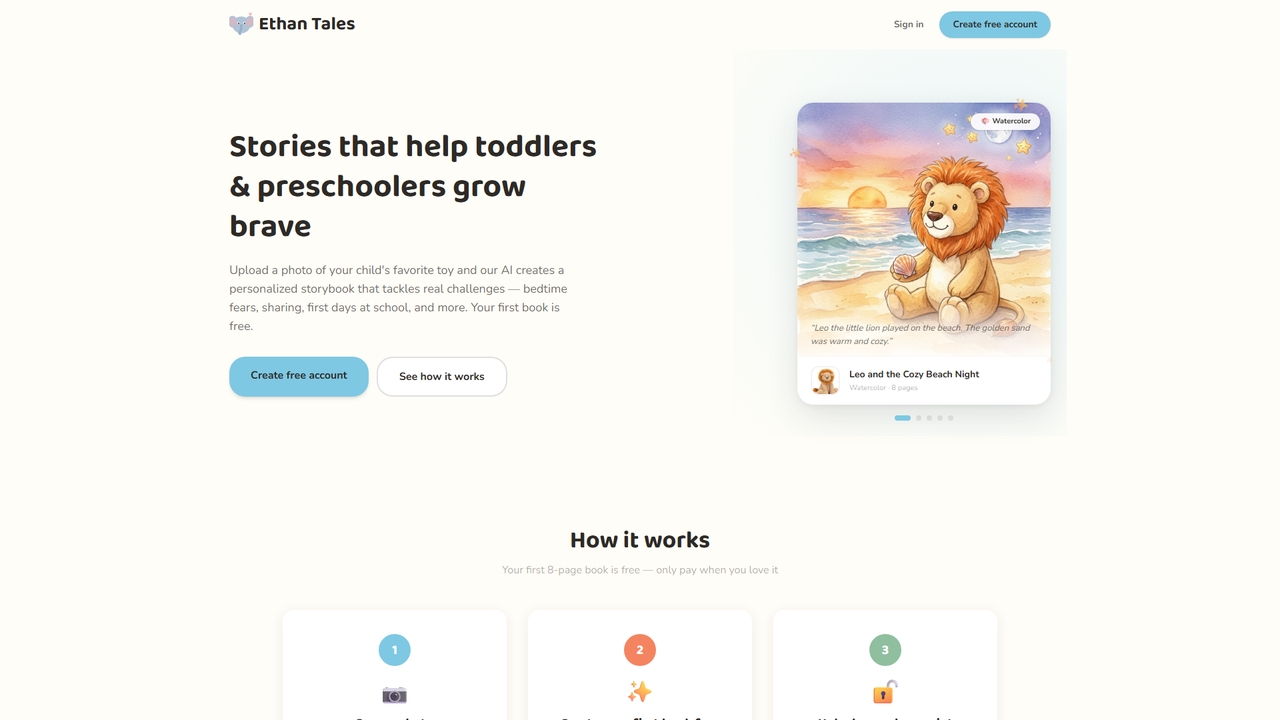
Create personalized storybooks starring your child's favorite toy. AI-powered stories help toddlers and preschoolers overcome real-life challenges like bedtime fears, sharing, and first days at school.

Reading
Visits 7.5KFavorites 45Likes 58
Adventure Box
Freemium

Adventure Box

Adventure Box is an AI-powered platform that delivers personalized, screen-free family activities directly to your app weekly. It helps transform screen time into quality family time by suggesting engaging projects using materials you already have at home, tailored to your child's age and interests.

Early Learning
Visits 7.6KFavorites 155Likes 152
Ello
Paid

Ello

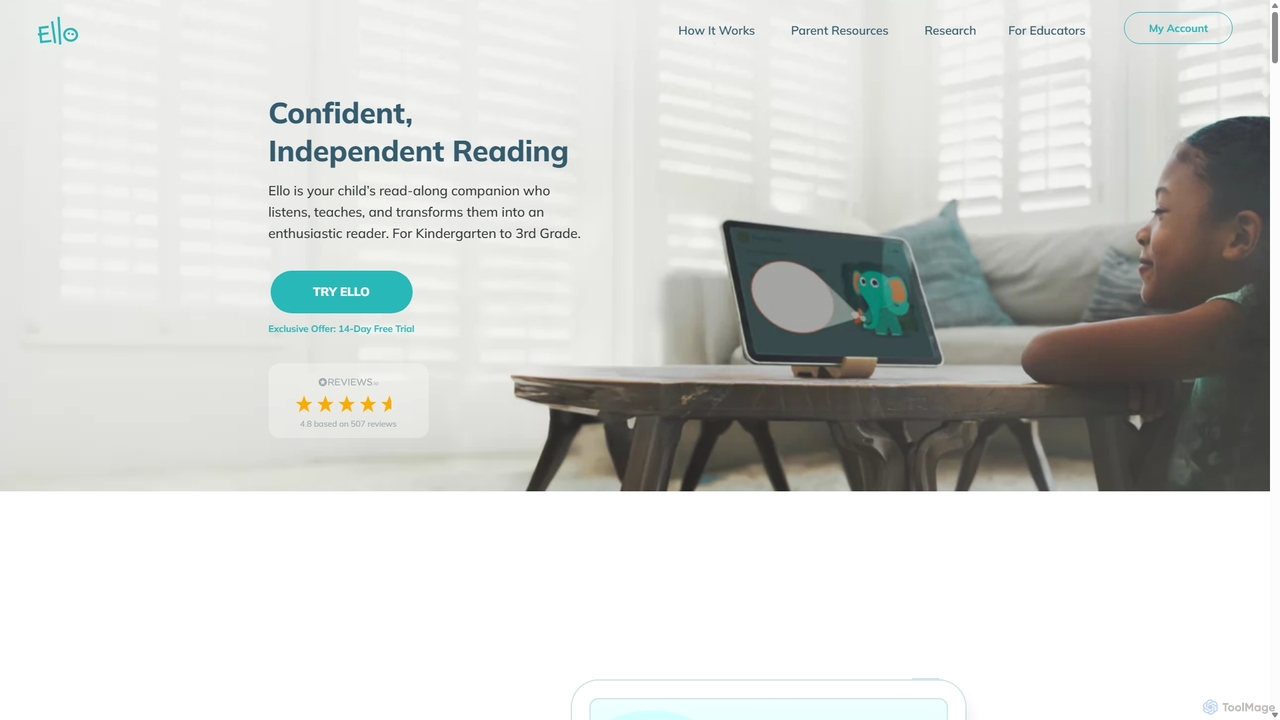
Ello is an AI-powered reading coach and companion app for children in Kindergarten to 3rd grade. It uses advanced speech recognition and adaptive learning technology to listen, teach, and help children become confident, independent readers in a fun and engaging way.

Language Learning
Visits 8.4KFavorites 167Likes 158
Nookly
Freemium

Nookly

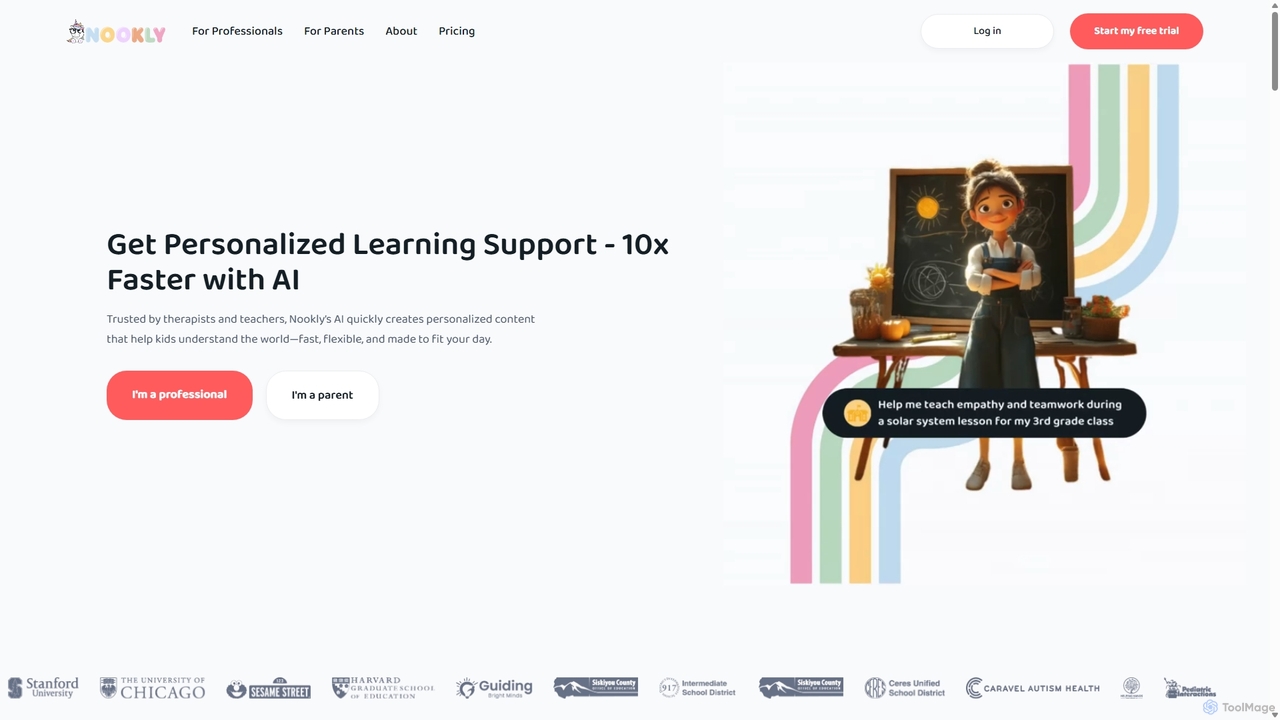
Nookly is an AI-powered platform for parents, teachers, and therapists to create personalized visual learning materials for children. It generates custom stories, visual schedules, emotion cards, and more in minutes, helping support children's social, emotional, and early learning development, with a special focus on neurodivergent needs.

Learning
Visits 12.7KFavorites 134Likes 113
Storybooks
Freemium

Storybooks

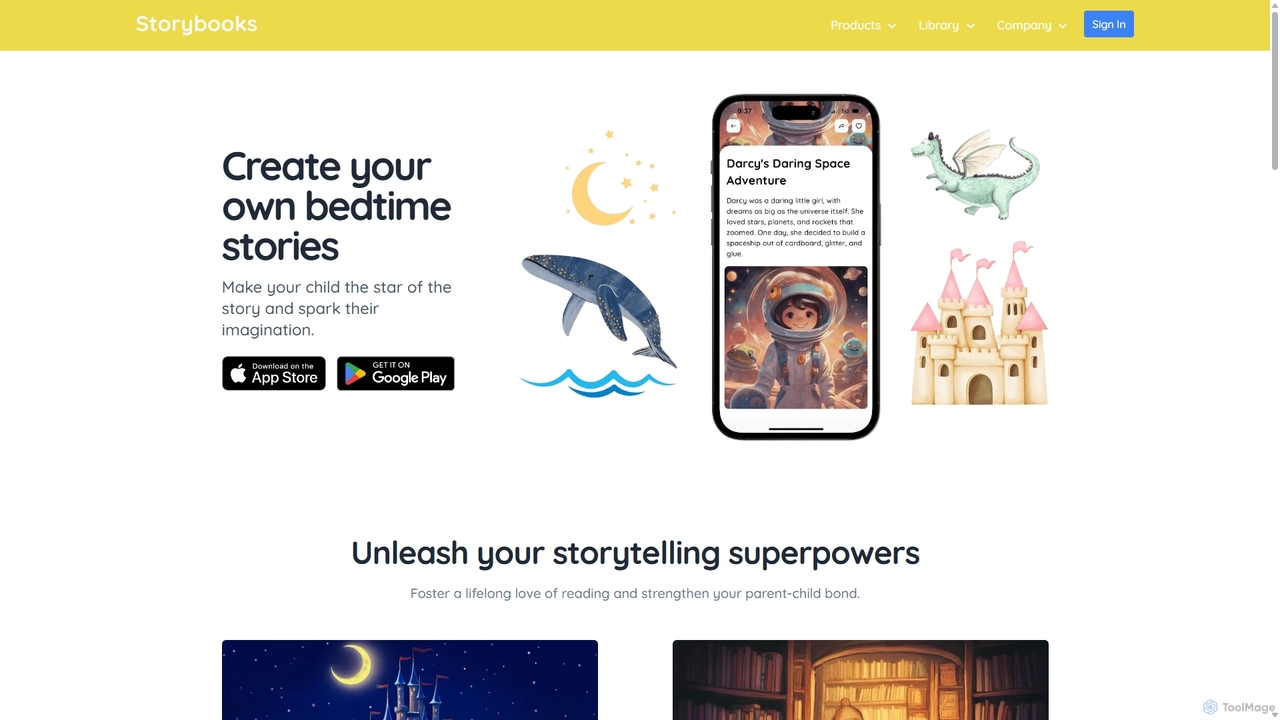
Storybooks is an AI-powered platform for parents and educators to create personalized, illustrated stories for children. Make your child the hero of their own adventure to spark imagination, develop crucial reading skills, and foster a lifelong love for reading. It also offers a structured learning program, Story School, for adaptive reading education.

Storytelling
Visits 11.3KFavorites 145Likes 155

About Child Development

Child Development AI tools are specialized platforms that utilize artificial intelligence to support and enhance a child's growth and learning journey across various stages. These innovative tools often integrate advanced data analysis, machine learning algorithms, and natural language processing to provide personalized insights into a child's cognitive, emotional, social, and physical milestones. By offering data-driven guidance, tailored educational content, and early detection capabilities for potential developmental needs, they empower parents, educators, and caregivers to foster optimal growth from infancy through adolescence. This category stands apart from general parenting apps by focusing specifically on the analytical and adaptive aspects of developmental progress.

Core Features

  • Personalized Learning Paths: AI analyzes a child's unique learning style, strengths, and areas for improvement to suggest customized educational activities, games, and content that adapt in real-time.
  • Developmental Milestone Tracking: Systematically monitors and records a child's progress against age-appropriate developmental milestones, providing clear visual reports and alerts for potential delays or areas needing attention.
  • Behavioral Analysis & Support: Identifies patterns in a child's behavior, such as sleep habits, emotional responses, or social interactions, offering evidence-based strategies and resources for managing common challenges.
  • Interactive Educational Content: Delivers engaging, adaptive games, stories, and exercises designed to stimulate cognitive skills, creativity, and problem-solving abilities, adjusting difficulty based on the child's performance.
  • Parental Guidance & Resources: Provides a rich library of expert-backed articles, personalized tips, and access to workshops or communities focused on various aspects of child development, from nutrition to emotional intelligence.

Applicable Scenarios

These AI tools are invaluable for modern parents seeking to actively participate in and understand their child's developmental trajectory, offering daily insights and structured support. Educators in preschools and primary schools leverage them to create individualized learning plans and track student progress more efficiently. Additionally, caregivers and early intervention specialists can use these platforms for supplementary developmental assessments and to provide targeted support based on AI-driven recommendations.

How to Choose

When selecting a Child Development AI tool, it's crucial to consider the specific age range it targets and the breadth of developmental areas it comprehensively covers, such as cognitive, emotional, physical, and social skills. Evaluate the scientific backing and pedagogical approach of its methodologies, ensuring data privacy and security are robust. Assess the level of personalization offered, the intuitiveness of the user interface for both adults and children, and the availability of expert support or a supportive community for parents.

Child Development use cases

1

Personalized Learning for Preschoolers

Parents of a 4-year-old use an AI child development app to identify their child's strengths in language and areas needing improvement in fine motor skills. The app then generates a daily schedule of interactive games and activities, like digital puzzles and storytelling prompts, tailored to enhance fine motor coordination and vocabulary, ensuring engaging and effective learning at home.

2

Tracking Developmental Milestones for Infants

New parents utilize an AI tool to log their infant's daily activities, such as feeding, sleep patterns, and early vocalizations. The AI analyzes this data against typical developmental milestones, providing weekly reports on the baby's progress in areas like gross motor skills (e.g., rolling over), social engagement (e.g., smiling), and cognitive development, offering peace of mind and early insights.

3

Managing Behavioral Challenges in Toddlers

A caregiver struggling with a toddler's frequent tantrums employs an AI child development platform. The tool prompts the caregiver to log details about the tantrums (triggers, duration, context). The AI then identifies patterns, suggests evidence-based calming techniques, and provides resources on positive reinforcement strategies, helping to reduce the frequency and intensity of challenging behaviors.

4

Enhancing Social-Emotional Skills in School-Aged Children

An elementary school teacher integrates an AI-powered social-emotional learning (SEL) program into her classroom. The AI presents students with interactive scenarios that require decision-making related to empathy, conflict resolution, and emotional expression. It provides immediate feedback and personalized exercises, helping children develop crucial social skills in a safe, engaging environment.

5

Early Detection of Learning Differences

Parents notice their 7-year-old is struggling with reading comprehension despite consistent effort. They use an AI child development tool that includes diagnostic assessments. The AI analyzes the child's responses, identifies specific areas of difficulty (e.g., phonological awareness), and suggests potential learning differences, prompting parents to seek professional evaluation and targeted support.

6

Supporting Children with Special Needs

A therapist working with a child on the autism spectrum uses an AI tool designed for special needs education. The AI helps create highly individualized learning plans, tracks progress on specific therapeutic goals (e.g., communication, sensory regulation), and provides adaptive activities that cater to the child's unique sensory preferences and learning pace, enhancing therapeutic outcomes.

Child Development FAQ

What are Child Development AI tools?

Child Development AI tools are intelligent applications designed to monitor, analyze, and support a child's growth across various developmental domains, including cognitive, emotional, social, and physical. They leverage artificial intelligence to offer personalized learning experiences, track milestones, provide behavioral insights, and deliver tailored educational content, empowering parents and educators with data-driven guidance for optimal child rearing.

How do Child Development AI tools differ from general parenting apps?

While general parenting apps often provide broad advice, scheduling features, or community forums, Child Development AI tools offer a deeper, analytical focus. They use AI algorithms to process specific data about a child's progress, behavior, and learning patterns, providing personalized insights, adaptive content, and predictive analytics for developmental milestones or potential challenges. Their core value lies in data-driven personalization and developmental tracking, rather than just general information or organizational support.

What specific developmental areas can these AI tools help with?

Child Development AI tools can assist with a wide range of developmental areas. This includes cognitive development (e.g., problem-solving, memory, language acquisition), emotional development (e.g., emotional regulation, empathy), social development (e.g., peer interaction, communication skills), and physical development (e.g., fine and gross motor skills). Many tools also offer support for executive functions, creativity, and early literacy or numeracy skills, adapting to the child's age and individual needs.

Are Child Development AI tools safe and private for children's data?

The safety and privacy of children's data are paramount when using Child Development AI tools. Reputable tools adhere to strict data protection regulations like COPPA (Children's Online Privacy Protection Act) or GDPR. When choosing a tool, it's essential to review its privacy policy to understand how data is collected, stored, and used. Look for features like data encryption, anonymization, and parental consent mechanisms to ensure your child's information is protected and not shared inappropriately.

How can I choose the best Child Development AI tool for my child?

To choose the best Child Development AI tool, first identify your child's specific needs and your primary goals (e.g., milestone tracking, learning support, behavioral guidance). Consider the tool's target age range, the scientific validity of its methodologies, and the comprehensiveness of its features. Evaluate user reviews, check for robust data privacy policies, and assess the intuitiveness of its interface for both you and your child. A free trial can also help determine if it aligns with your family's values and your child's engagement level.