Product Best in category 3 results User Research AI Tool

Popular AI tools in the User Research field of Product include Survicate、lightster、Wondering, etc., helping you quickly improve efficiency.

Survicate

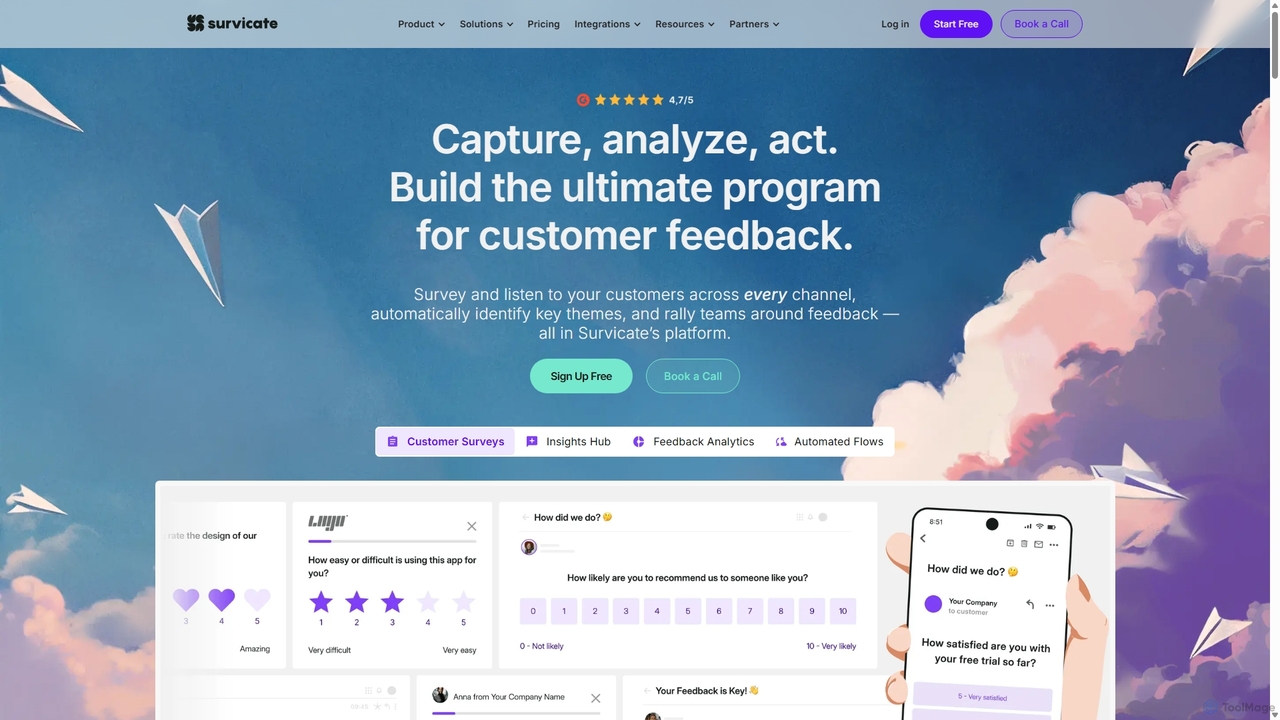
Survicate

Survicate is an all-in-one customer feedback platform that helps businesses capture, analyze, and act on user insights. It …

378.9K
Wondering

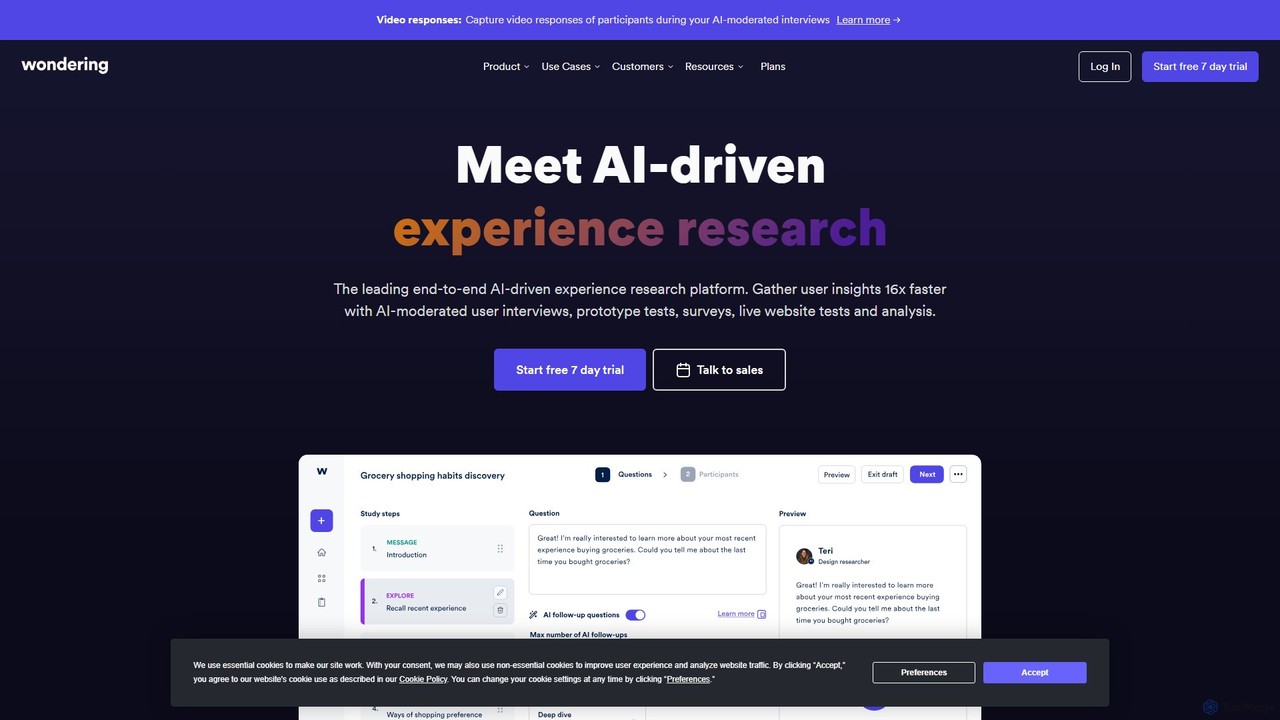
Wondering

Wondering is an AI-driven experience research platform that empowers teams to conduct and analyze user interviews, surveys, and …

2.9K
lightster

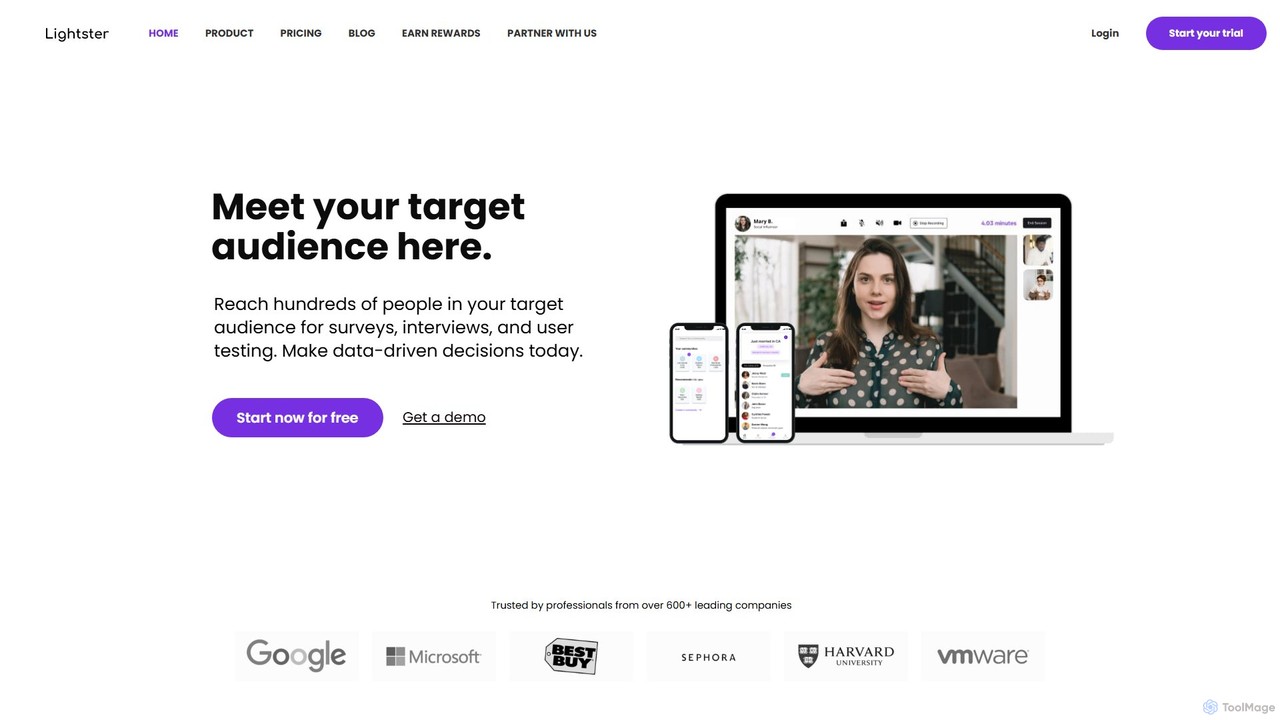
lightster

An AI-powered user research platform that connects businesses with their target audience for surveys, interviews, and unmoderated testing. …

44.1K

About User Research

AI User Research tools are a specialized category of software designed to automate and scale the process of understanding user behaviors, needs, and motivations. Leveraging natural language processing (NLP) and machine learning, these tools rapidly analyze vast amounts of qualitative and quantitative data, from interview transcripts to survey responses. They empower product teams and UX researchers to uncover deep insights, validate hypotheses, and make data-driven decisions without weeks of manual analysis. This approach significantly accelerates the research cycle within the product development process, enabling more agile and user-centric product iterations.

Core Features

  • Automated Interview Analysis: Transcribes and analyzes user interview recordings to identify key themes, emotions, and quotes.
  • Sentiment & Feedback Tagging: Automatically categorizes user feedback from surveys and reviews by topic and sentiment.
  • AI-Powered Persona Generation: Creates detailed user personas based on aggregated research data, highlighting goals and pain points.
  • Usability Test Video Analysis: Pinpoints moments of user friction in usability test recordings by analyzing actions and verbal cues.
  • Insight Synthesis & Reporting: Generates concise summaries and visual reports from complex datasets, highlighting critical user insights.

Applicable Scenarios

These tools are widely used by product managers to quickly validate new feature ideas by analyzing feedback from beta testers. UX researchers use them to process dozens of interview hours in a fraction of the time. Marketing teams can also gauge public sentiment on a new campaign by analyzing social media comments and reviews.

How to Choose

When selecting an AI User Research tool, consider the types of data you need to analyze (e.g., video, text, surveys). Evaluate its integration capabilities with your existing platforms like Figma, Jira, or Slack. Assess the accuracy of its AI models for transcription and sentiment analysis, and compare pricing models based on your data volume and team size.

User ResearchUse Cases

1

Rapidly Analyze Customer Interview Transcripts

A UX research team at a SaaS company conducts 30 hour-long customer interviews. Instead of spending weeks manually transcribing and coding, they upload the audio files to an AI tool. The tool automatically generates accurate transcripts, identifies recurring themes like 'confusing navigation' and 'pricing concerns,' and tags user sentiment. This allows the team to create an actionable insights report for product managers within two days, accelerating the design iteration cycle by over 80%.

2

Synthesize Feedback from Multiple Channels

A product manager for an e-commerce app needs to understand why cart abandonment is high. They use an AI user research tool to aggregate and analyze data from multiple sources: App Store reviews, customer support chats, and recent user surveys. The AI synthesizes thousands of data points, revealing that the primary issue is unexpected shipping costs at the final checkout step. The platform generates a summary report with supporting quotes, providing clear evidence to prioritize fixing the checkout flow.

3

Generate Data-Driven User Personas

A startup is launching a new mobile application with a limited research budget. They feed an AI tool with data from online forums, competitor reviews, and initial sign-up surveys. The tool analyzes the language, pain points, and desired outcomes mentioned by potential users. Based on this analysis, it generates three distinct, data-driven user personas, complete with goals, frustrations, and demographic insights. This provides the marketing and product teams with a solid foundation for targeted messaging and feature development.

4

Automate Usability Testing Analysis

A UX designer is running remote, unmoderated usability tests for a new website feature. They use an AI tool that integrates with their testing platform. The AI analyzes screen recordings, automatically identifying moments where users hesitate, make errors, or express frustration verbally. It creates a highlight reel of critical usability issues, complete with timestamps and severity ratings. This saves the designer from watching hours of footage and allows them to focus directly on solving the most impactful problems.

5

Validate Product-Market Fit with Survey Data

A product team has collected 5,000 responses from a survey with open-ended questions about a new concept. Manually reading and categorizing these would be prohibitive. They use an AI user research tool to process the text data. The tool automatically clusters responses into key themes, quantifies the prevalence of each theme, and performs sentiment analysis. The team quickly discovers that while users like the core idea, 70% find the proposed pricing model too complex, providing a clear directive for adjustment before launch.

6

Track Feature Requests at Scale

A B2B software company receives hundreds of feature requests weekly via Intercom, email, and a community forum. A product operations manager connects these sources to an AI research platform. The tool automatically de-duplicates requests, groups similar ideas (e.g., 'dark mode,' 'better reporting'), and tracks the frequency of each request over time. This creates a dynamic, prioritized backlog of user needs, enabling the product team to make informed roadmap decisions based on quantitative user demand rather than guesswork.

User ResearchFrequently Asked Questions