Productivity Best in category 4 results Customer Relationship Management AI Tool

Popular AI tools in the Customer Relationship Management field of Productivity include Supercreator、ebi、MindX Service AI、Chatmyer, etc., helping you quickly improve efficiency.

MindX Service AI

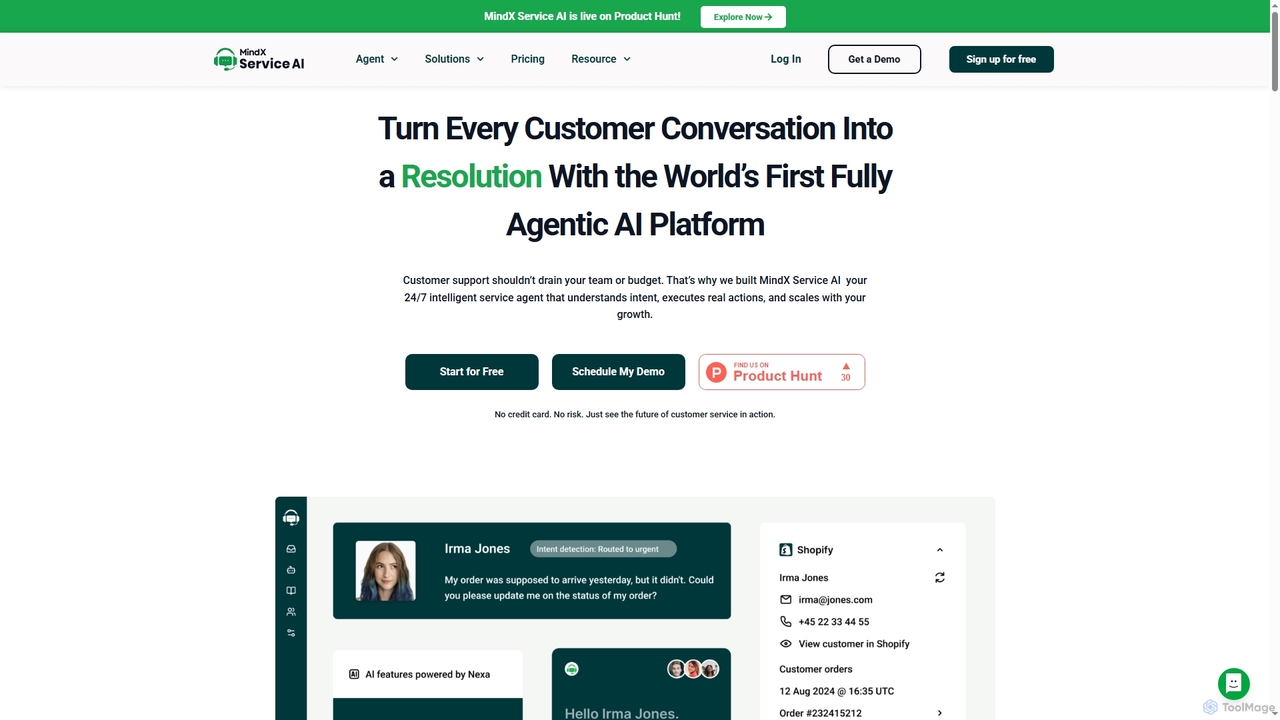
MindX Service AI

MindX Service AI is the world's first fully agentic AI platform designed to transform customer support. It leverages …

4.4K
Supercreator

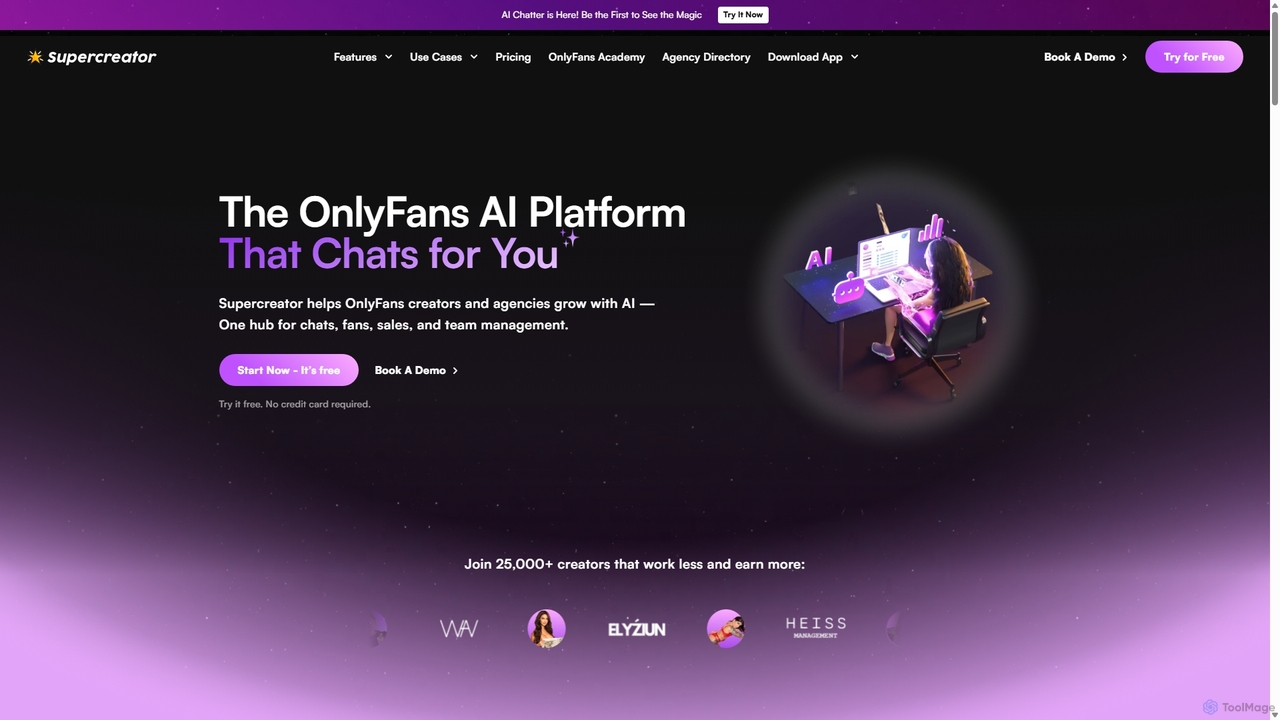
Supercreator

Supercreator is an AI-powered platform designed for OnlyFans creators and agencies to automate chats, manage fans, and boost …

123.3K
ebi

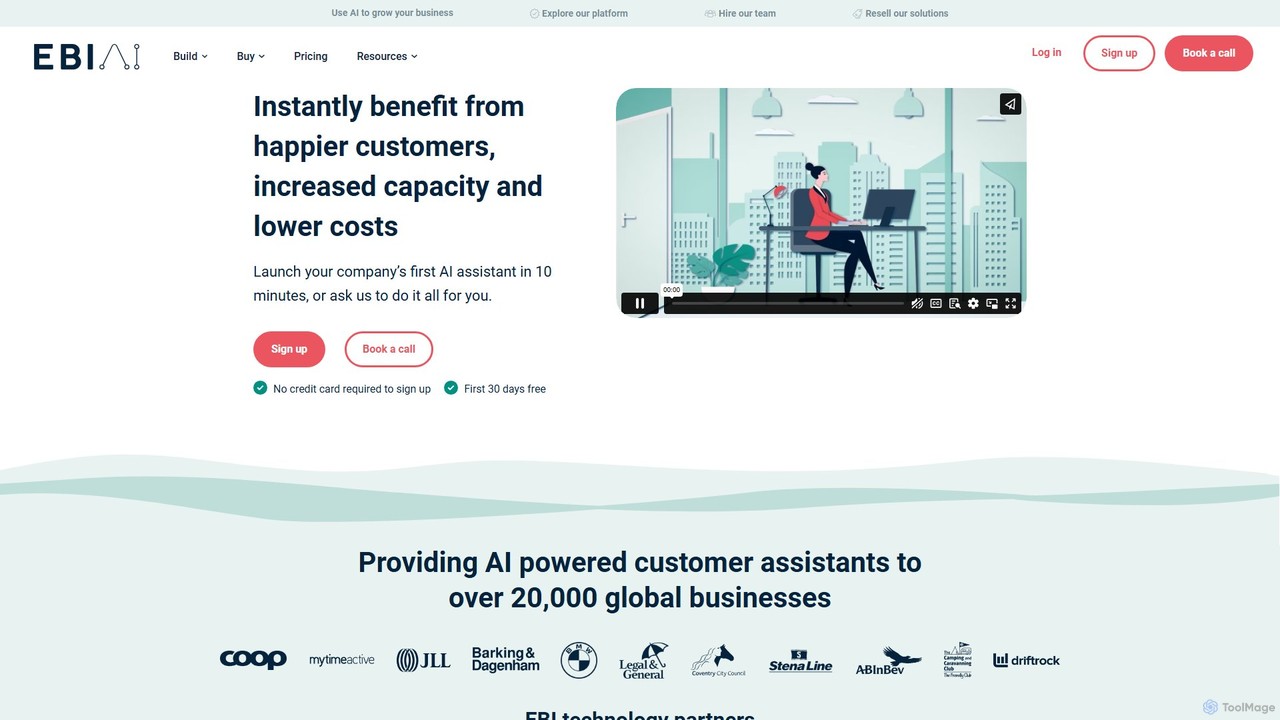
ebi

ebi is an advanced AI platform for creating and deploying intelligent customer service assistants. It helps businesses reduce …

7.6K
Chatmyer

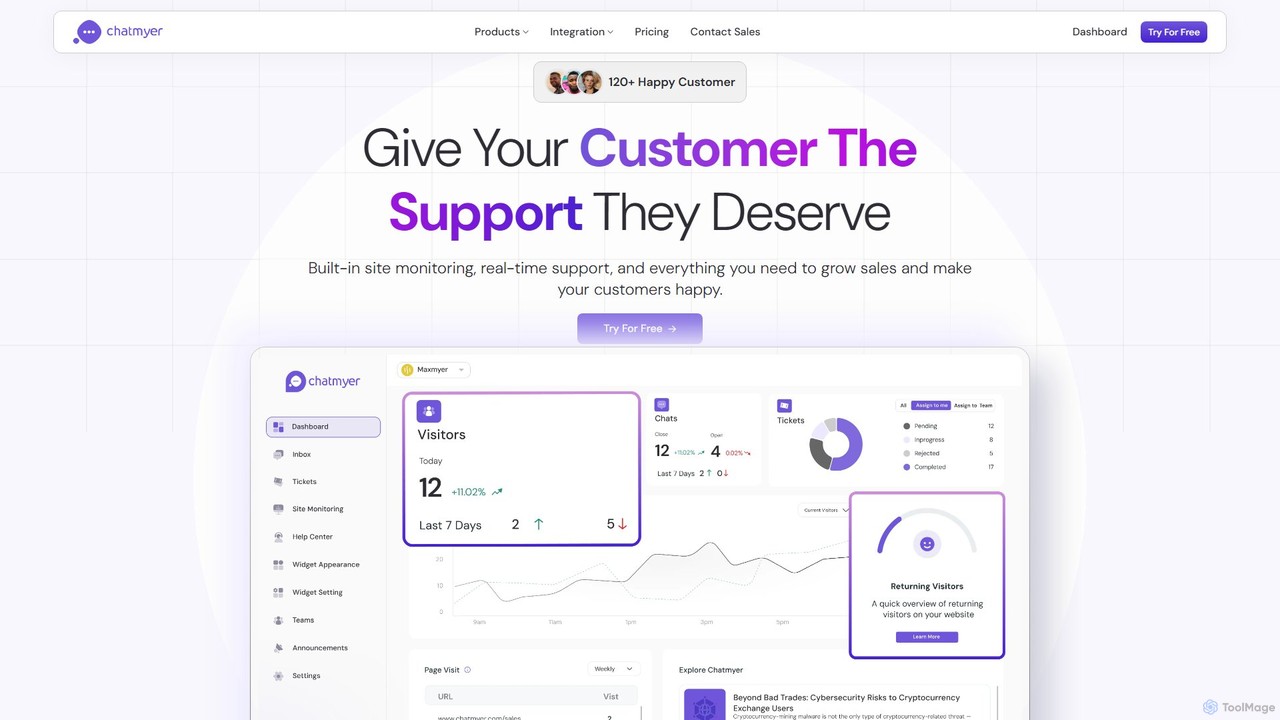
Chatmyer

Chatmyer is an all-in-one customer service platform featuring live chat, a smart ticketing system, and real-time site monitoring. …

3.0K

About Customer Relationship Management

AI Customer Relationship Management (CRM) tools are platforms that use artificial intelligence to automate and optimize interactions with customers. These systems leverage machine learning to analyze vast amounts of customer data, predict future behavior, and personalize communication at scale. By automating routine tasks and providing predictive insights, AI CRMs enable sales, marketing, and service teams to build stronger relationships and drive business growth more effectively. They go beyond traditional data storage by offering intelligent features like automated lead scoring and sentiment analysis.

Core Features

  • Predictive Lead Scoring: Automatically ranks leads based on their likelihood to convert, helping sales teams prioritize efforts.
  • Sentiment Analysis: Analyzes customer communications (emails, chats, reviews) to gauge satisfaction and identify at-risk accounts.
  • Automated Data Entry: Captures and logs customer interaction data from various channels, reducing manual administrative work.
  • Sales Forecasting: Uses historical data and AI models to predict future sales revenue with greater accuracy.
  • Personalized Recommendations: Suggests next-best-actions for sales reps or personalized product offers for customers.

Use Cases

AI CRM tools are widely used across B2B and B2C industries. Sales teams use them to identify high-value prospects and close deals faster. Marketing departments leverage them for creating highly personalized campaigns and understanding customer journeys. Customer service teams apply them to automate responses and proactively address issues before they escalate.

How to Choose

When selecting an AI CRM, consider the specific AI features you need, such as lead scoring or chatbots. Evaluate its integration capabilities with your existing tools (e.g., email marketing, ERP). Assess the platform's ease of use and the level of training required for your team. Finally, compare pricing models and ensure the tool can scale with your business growth.

Customer Relationship ManagementUse Cases

1

Automate Lead Scoring for Sales Teams

A B2B technology company's sales team receives hundreds of leads daily from various channels. Using an AI CRM, the system automatically analyzes each lead's profile, engagement history, and firmographic data. It then assigns a predictive score indicating their likelihood to purchase. This allows sales representatives to immediately focus on the top 10% of 'hot' leads, increasing their response speed and conversion rates, while nurturing lower-scored leads through automated email sequences.

2

Personalize Marketing Campaigns at Scale

An e-commerce brand wants to reduce cart abandonment. Their AI CRM analyzes the browsing history, past purchases, and demographic data of thousands of customers. It then automatically segments the audience and triggers personalized email campaigns. For instance, a user who viewed running shoes receives an email with a special offer on those specific shoes, while another who bought a tent last year gets recommendations for new camping gear. This level of personalization significantly improves open rates and campaign ROI.

3

Proactive Customer Service with Sentiment Analysis

A SaaS company's support team uses an AI CRM to monitor customer communications. The system's sentiment analysis feature scans support tickets, emails, and social media mentions for negative language or signs of frustration. When it detects a highly dissatisfied customer, it automatically flags the case, escalates it to a senior support agent, and provides a summary of the issue. This proactive approach allows the team to address problems before they lead to churn, improving customer retention and brand reputation.

4

Improve Sales Forecasting Accuracy

A sales manager needs to provide an accurate quarterly revenue forecast. Instead of relying on manual estimates from reps, the AI CRM analyzes historical sales data, deal progression, seasonality, and individual rep performance. It generates a data-driven forecast with different probability scenarios (optimistic, pessimistic, likely). This allows the manager to set more realistic targets, allocate resources effectively, and provide reliable projections to leadership, reducing uncertainty in financial planning.

5

Automate Routine Administrative Tasks

A busy account executive spends hours each week manually logging calls, updating contact information, and scheduling follow-ups. An AI CRM automates these tasks. It can transcribe and summarize sales calls, automatically log them to the correct contact record, and suggest optimal times for follow-up meetings based on the prospect's calendar availability and past engagement patterns. This frees up nearly 20% of the executive's time, allowing them to focus on building relationships and strategic selling rather than on data entry.

6

Identify Customer Churn Risks

A subscription-based service provider needs to reduce its customer churn rate. The AI CRM continuously analyzes customer behavior, such as declining product usage, a drop in communication, or an increase in support tickets. The AI model identifies patterns that historically precede cancellation and flags these accounts as 'at-risk'. The customer success team then receives an alert with context, enabling them to reach out with targeted support or special offers to retain the customer before they decide to leave.

Customer Relationship ManagementFrequently Asked Questions