Productivity Best in category 2 results Experimentation AI Tool

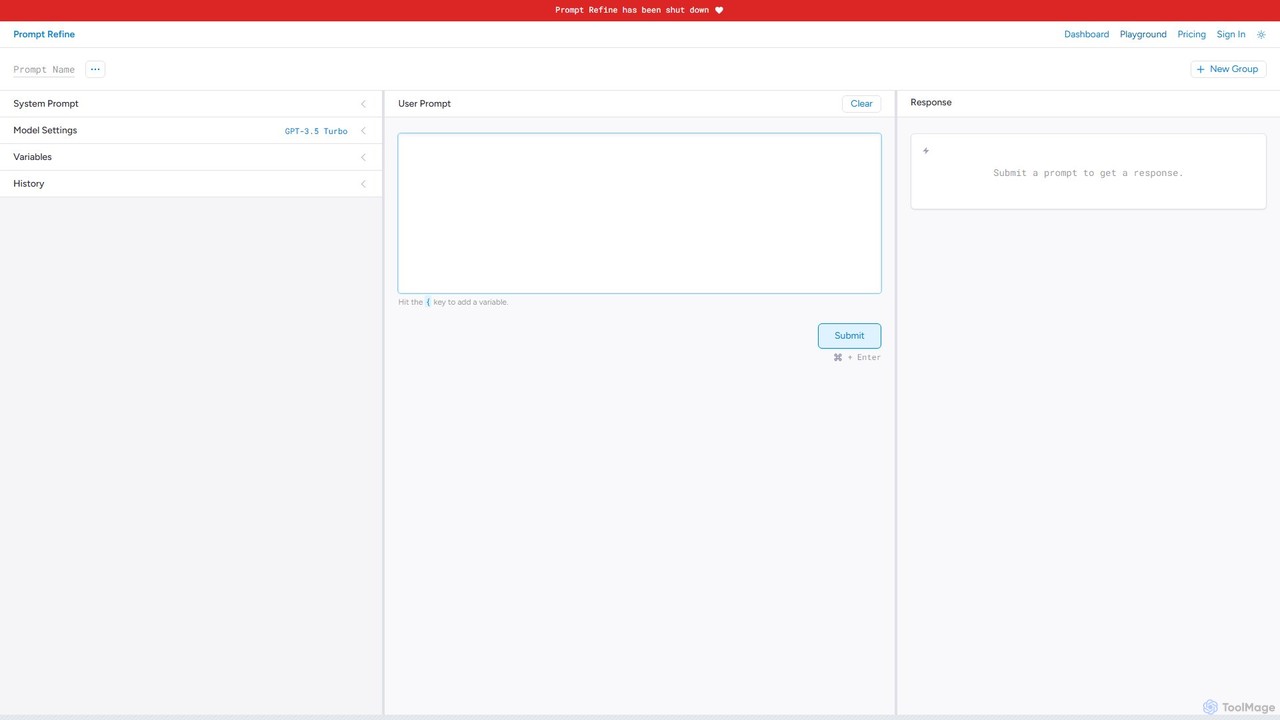
Popular AI tools in the Experimentation field of Productivity include Prompt Refine、Llm Lab Three, etc., helping you quickly improve efficiency.

Free
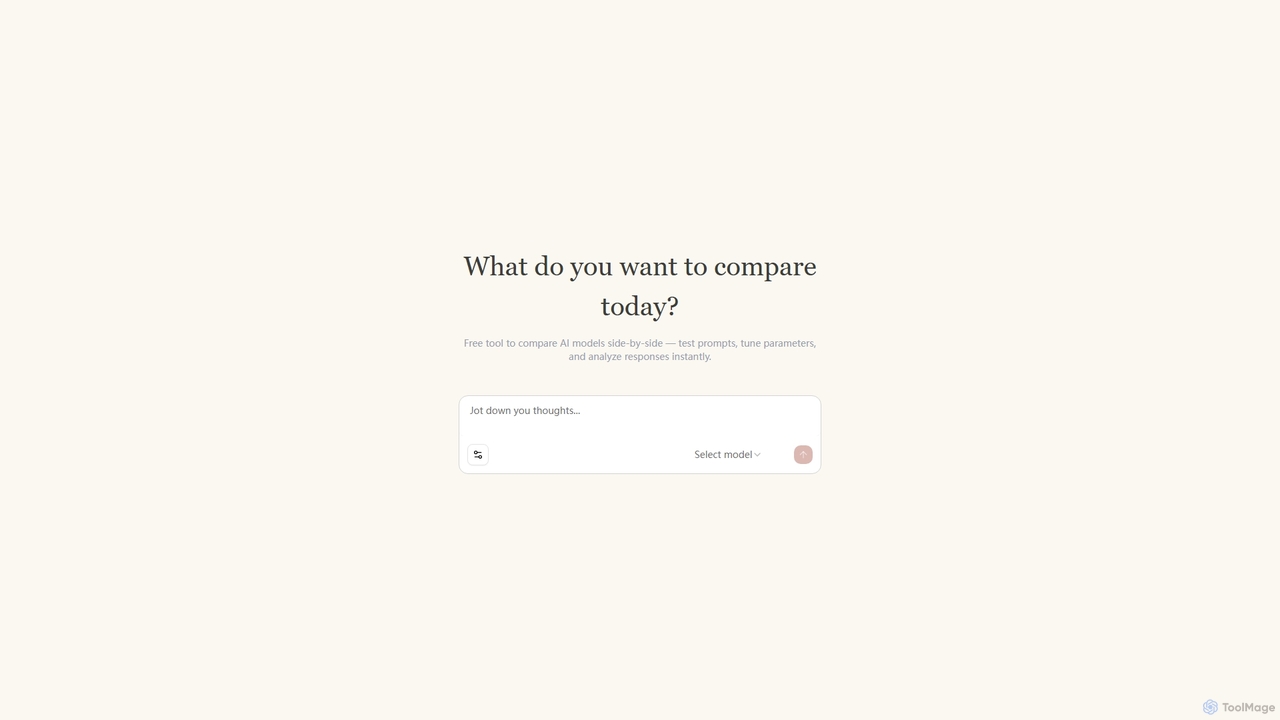
Llm Lab Three

Llm Lab Three

A free tool for developers and researchers to compare Large Language Models (LLMs) side-by-side. Test prompts, tune parameters, …

2.5K
Prompt Refine

Prompt Refine

Prompt Refine is a powerful platform for prompt engineering, enabling developers and researchers to run systematic experiments. It …

3.2K

About Experimentation

AI Experimentation tools are a specialized class of software designed to systematically test hypotheses and optimize outcomes using artificial intelligence. These platforms automate the process of setting up, running, and analyzing controlled experiments, such as A/B/n tests and multi-armed bandit scenarios. They leverage machine learning to accelerate learning, identify winning variations faster, and provide predictive insights into potential changes. This enables organizations to make data-driven decisions with greater speed and confidence, directly enhancing product and marketing productivity.

Core Features

  • Automated A/B/n Testing: AI-driven setup, traffic allocation, and analysis of multiple variations to find the optimal version.
  • Feature Flagging & Controlled Rollouts: Safely test new features with specific user segments before a full release, minimizing risk.
  • Multi-Armed Bandit Optimization: Dynamically allocates more traffic to better-performing variations in real-time, maximizing conversions during a test.
  • Statistical Significance Engine: Automatically calculates and interprets test results, providing clear, reliable data to inform decisions.
  • Predictive Analytics: Forecasts the potential impact of changes, allowing teams to prioritize experiments with the highest expected value.

Use Cases

These tools are primarily used by product managers, growth marketers, data scientists, and UX researchers. They are essential in technology, e-commerce, and digital media industries for validating new product features, optimizing website conversion funnels, personalizing user experiences, and improving the effectiveness of marketing campaigns.

How to Choose

When selecting an AI Experimentation tool, consider its integration capabilities with your existing tech stack (e.g., analytics, CRM, CDP). Evaluate the sophistication of its statistical engine and the types of testing methodologies it supports. Assess the user interface for ease of use for both technical and non-technical team members, and ensure its scalability can handle your traffic volume.

ExperimentationUse Cases

1

Optimizing E-commerce Conversion Rates

An e-commerce marketing manager wants to increase the checkout completion rate. Using an AI experimentation tool, they set up an A/B/n test for the checkout button. The tool tests four variations simultaneously: different colors (green vs. orange) and different text ('Buy Now' vs. 'Complete Purchase'). The AI automatically allocates traffic and monitors conversions in real-time. After 72 hours, the tool declares 'Orange button with Complete Purchase' as the statistical winner, showing a projected 12% uplift in conversions. This data-driven change is then rolled out to all users, directly boosting revenue.

2

Validating a New SaaS Feature with Feature Flags

A product manager at a SaaS company is launching a new AI-powered analytics dashboard. To mitigate risk, they use an experimentation platform's feature flagging capabilities. The new feature is initially released to only 5% of their user base, specifically targeting power users. The platform tracks engagement metrics, such as feature adoption rate and time spent on the new dashboard. After collecting positive feedback and observing high engagement without any performance issues, they gradually increase the rollout to 25%, then 50%, and finally 100% over two weeks, ensuring a smooth and successful launch.

3

Personalizing App Onboarding with a Multi-Armed Bandit

A mobile app developer wants to find the most effective onboarding flow to retain new users. Instead of a traditional A/B test, they use a multi-armed bandit algorithm. They create three different onboarding experiences: a video tutorial, an interactive guide, and a minimalist setup. The AI experimentation tool initially shows each version to an equal number of new users. As it collects data, it automatically starts showing the more successful flows (based on day-1 retention) to a larger percentage of users, while still exploring the others. This approach maximizes user retention during the experiment itself, rather than waiting for a test to conclude.

4

Testing Marketing Campaign Headlines

A content marketer is preparing to launch a major email campaign. To maximize the open rate, they use an AI tool to test different subject lines. They input their core message, and the AI generates 15 different headline variations focusing on different emotional triggers (urgency, curiosity, value). The experimentation tool then sends these variations to a small 10% sample of their email list. Within an hour, the tool identifies the top-performing subject line based on open rates and automatically sends that winning version to the remaining 90% of the list, significantly improving the campaign's overall reach and impact.

5

Improving Website UX with Layout Testing

A UX designer proposes a new navigation menu for their company's website to simplify user journeys. Before committing development resources to a full redesign, they use an AI experimentation tool to test the new layout against the current one. The test is configured to run for two weeks on 20% of website traffic. The AI tool tracks key UX metrics like task completion rate, bounce rate, and clicks on key conversion elements. The results show the new layout reduces bounce rate by 15% and increases task completion by 22%. This quantitative data provides the confidence needed to proceed with the full implementation.

6

Reducing Churn with Predictive Intervention

A data science team at a subscription service company builds a model to predict which users are at high risk of churning. They use an AI experimentation platform to test intervention strategies. The platform integrates with their CRM to target these high-risk users. They test two actions against a control group: 'Variant A' receives a personalized email with a 10% discount offer, and 'Variant B' receives an in-app message offering a free consultation. The AI monitors which variant is more effective at preventing churn over the next 30 days. This allows the company to proactively invest resources in the most effective retention strategy.

ExperimentationFrequently Asked Questions