Productivity Best in category 2 results Finance AI Tool

Popular AI tools in the Finance field of Productivity include ZeroSettle、Billie, etc., helping you quickly improve efficiency.

ZeroSettle

ZeroSettle

ZeroSettle is a billing SDK for mobile app developers that enables direct web-based payments alongside traditional App Store …

4.7K
Billie

Billie

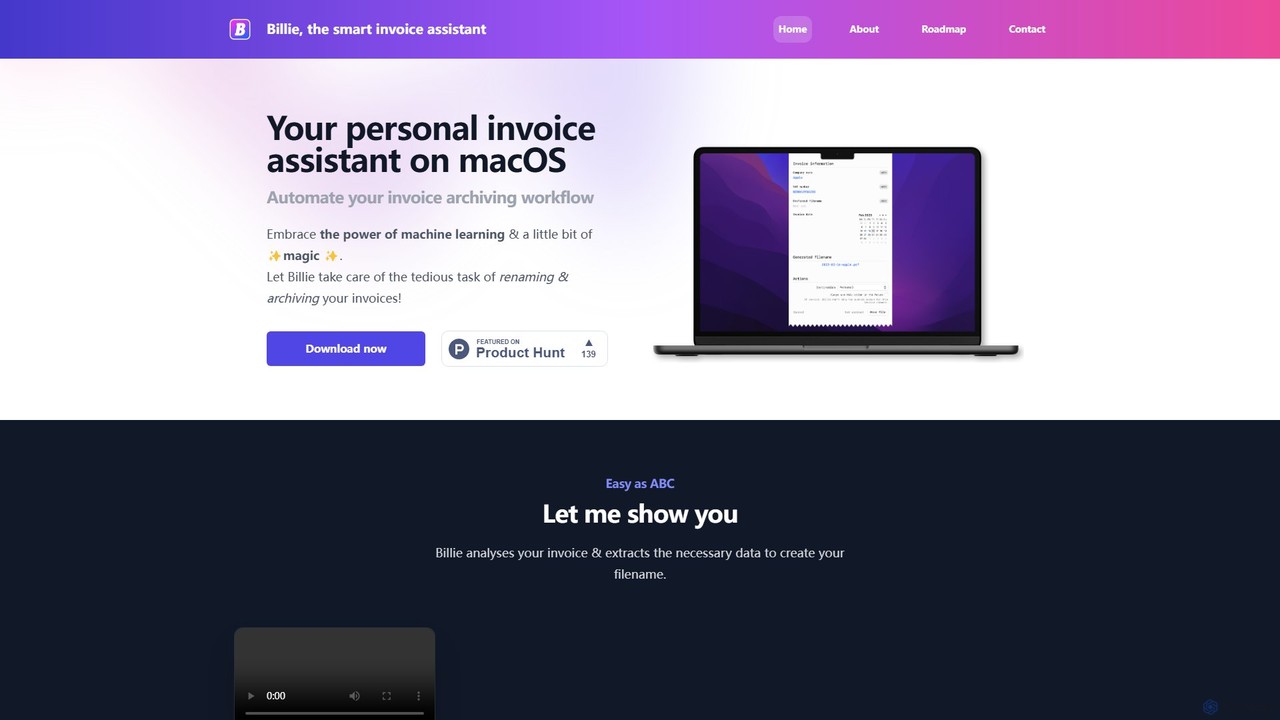
Billie is a smart invoice assistant for macOS that uses AI to automate the tedious process of renaming, …

4.4K

About Finance

AI Finance tools are specialized applications that leverage machine learning and data analysis to automate and enhance financial management. These tools process vast amounts of financial data to identify trends, forecast market movements, and manage risk with high precision. They are designed to streamline tasks from personal budgeting to complex corporate financial planning, providing data-driven insights for better decision-making. As a key component of productivity software, they transform time-consuming financial processes into efficient, automated workflows.

Core Features

  • Automated Data Entry & Categorization: Automatically syncs with bank accounts and credit cards to capture transactions and classify them into relevant budget categories.
  • Predictive Forecasting: Uses historical data and AI models to generate forecasts for cash flow, revenue, and investment performance.
  • Investment Analysis: Evaluates investment portfolios, analyzes market sentiment, and identifies potential opportunities or risks based on real-time data.
  • Fraud Detection: Employs anomaly detection algorithms to monitor transactions in real-time and flag suspicious activities to prevent financial loss.
  • Risk Assessment: Models various economic scenarios to assess potential risks to investments, loans, or business operations.

Use Cases

These tools are widely used by individuals for personal financial planning, small businesses for automated accounting and cash flow management, and financial analysts for market research and algorithmic trading. Investment firms and banks also deploy them for large-scale portfolio management and regulatory compliance.

How to Choose

When selecting an AI Finance tool, prioritize data security and compliance with financial regulations. Evaluate its integration capabilities with your existing bank accounts, brokerage platforms, or accounting software. Also, consider the accuracy of its analytical models, the user-friendliness of its interface, and whether its pricing model aligns with your needs.

FinanceUse Cases

1

Automated Personal Budgeting and Expense Tracking

For individuals and families seeking better control over their finances, AI finance tools offer automated expense tracking. By securely connecting to bank accounts and credit cards, the tool automatically imports all transactions. It then uses machine learning to categorize each expense—such as groceries, transport, or entertainment—with high accuracy. Users receive clear visual reports on their spending habits, can set monthly budgets for different categories, and get alerts when they are close to exceeding them. This process eliminates hours of manual data entry and provides actionable insights to improve savings and achieve financial goals.

2

AI-Powered Stock Market Analysis for Investors

Retail investors can leverage AI finance tools to gain a competitive edge in the stock market. These platforms analyze vast datasets, including historical price movements, corporate earnings reports, and real-time news sentiment from millions of sources. The AI identifies complex patterns and correlations that are invisible to the human eye, providing predictive insights on potential stock performance. Users can receive buy/sell signals, risk assessments for their portfolio, and customized watchlists based on their investment strategy. This empowers individual investors with analytical capabilities previously available only to large financial institutions, helping them make more informed and timely trading decisions.

3

Automated Invoice Processing for Small Businesses

For small business owners and accounting teams, managing invoices is a repetitive and error-prone task. AI finance tools automate this entire workflow. Users can upload or email invoices to the system, where AI-powered Optical Character Recognition (OCR) technology accurately extracts key information like vendor name, invoice number, date, and line items. The tool then validates the data, matches it with purchase orders, and codes it to the correct general ledger account. This significantly reduces manual data entry, minimizes human error, and accelerates payment cycles, freeing up valuable time for staff to focus on more strategic financial analysis.

4

Real-Time Fraud Detection for Online Transactions

E-commerce businesses and financial institutions face constant threats from fraudulent transactions. AI-powered fraud detection systems analyze hundreds of data points for each transaction in real-time, including user location, device information, purchase history, and transaction amount. The machine learning model, trained on vast datasets of legitimate and fraudulent activities, identifies subtle anomalies and suspicious patterns that rule-based systems would miss. When a high-risk transaction is detected, the system can automatically block it or flag it for manual review, significantly reducing chargebacks and financial losses while ensuring a smooth experience for legitimate customers.

5

Corporate Financial Forecasting and Planning

Finance departments in large organizations use AI tools for sophisticated financial planning and analysis (FP&A). These tools integrate data from various sources like ERP systems, sales CRMs, and market data feeds. The AI then builds predictive models to forecast revenue, expenses, and cash flow with greater accuracy than traditional spreadsheet-based methods. Planners can run 'what-if' scenarios to simulate the impact of different business decisions, such as a new product launch or a change in pricing strategy. This enables more agile, data-driven strategic planning and helps leadership anticipate financial challenges and opportunities proactively.

6

Portfolio Optimization for Wealth Managers

Wealth managers and financial advisors use AI platforms to deliver superior portfolio management services. The AI analyzes a client's entire financial picture, including assets, liabilities, income, and risk tolerance. It then runs thousands of simulations based on various market scenarios to identify the optimal asset allocation. The tool can recommend specific adjustments, such as rebalancing asset classes or suggesting tax-loss harvesting opportunities, to maximize returns while adhering to the client's risk profile. This data-driven approach enhances the advisor's recommendations, automates routine analysis, and helps in clearly communicating complex investment strategies to clients.

FinanceFrequently Asked Questions