Productivity Best in category 3 results Personal Knowledge Management AI Tool

Popular AI tools in the Personal Knowledge Management field of Productivity include LexiGym、Persys、GrowMindGPT, etc., helping you quickly improve efficiency.

LexiGym

LexiGym

LexiGym is a flexible, AI-enhanced language learning app that acts as your personal vocabulary coach. It allows you …

4.6K
GrowMindGPT

GrowMindGPT

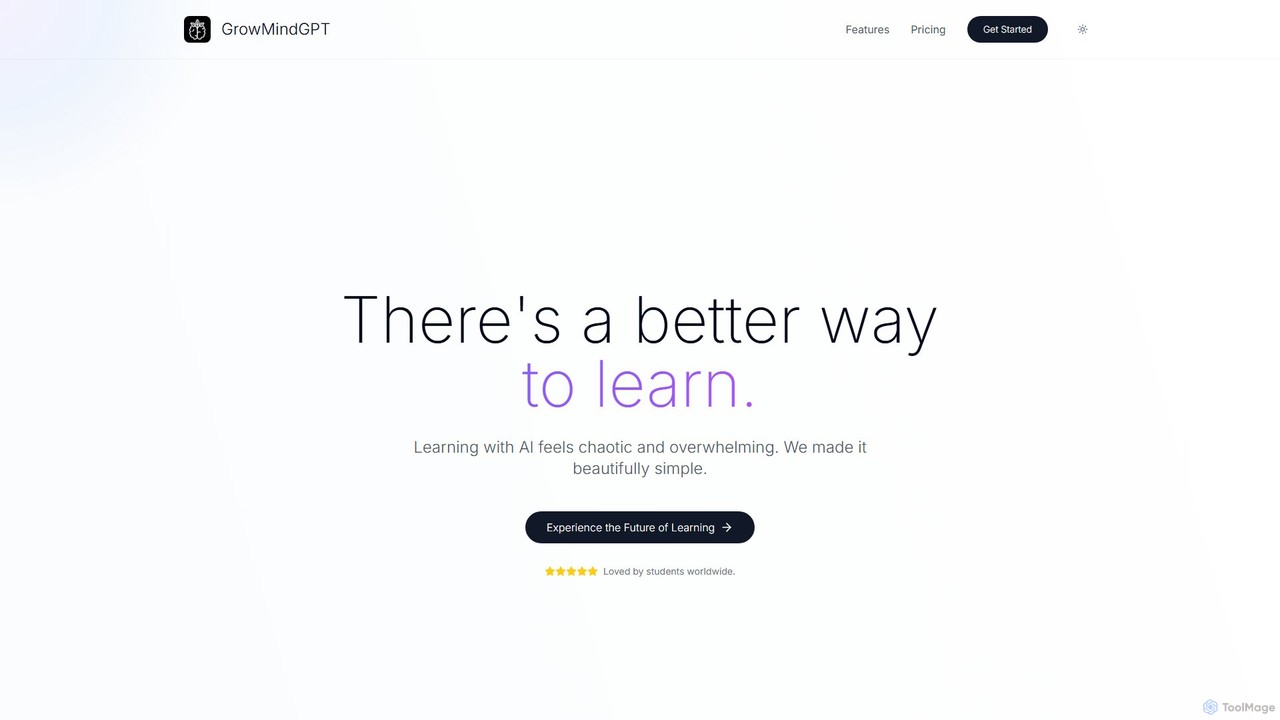
GrowMindGPT is an AI-powered learning platform that transforms your curiosity into structured, personalized, and interactive learning paths. It …

2.8K
Persys

Persys

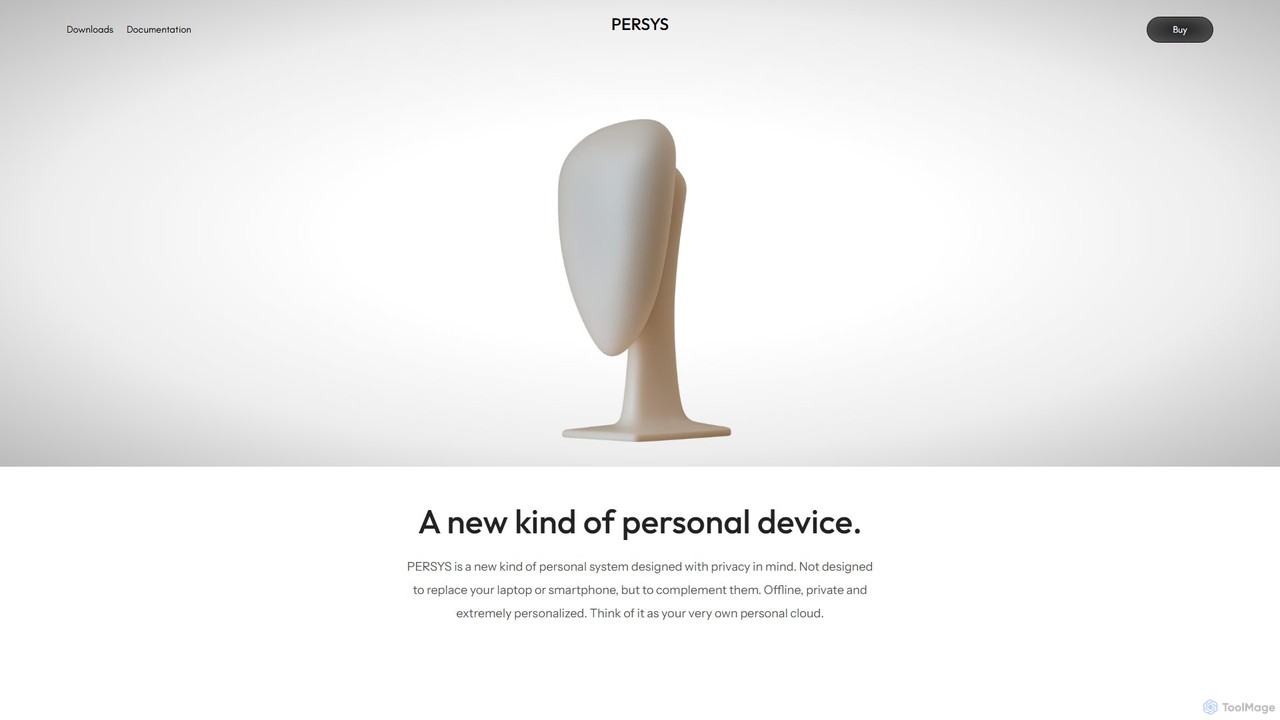
Persys is a private, offline AI console designed as your personal cloud. This hardware device performs all AI …

3.8K

About Personal Knowledge Management

Personal Knowledge Management (PKM) tools are applications designed to help you capture, connect, and cultivate your ideas and information. Unlike traditional note-taking apps with rigid folder structures, PKM tools often use principles like bi-directional linking and graph visualization to create a non-linear network of knowledge. This approach allows you to build a "second brain," a dynamic digital space where you can discover emergent connections between disparate thoughts, fostering deeper understanding and creativity. They are central to productivity by transforming passive information consumption into an active, interconnected knowledge base.

Core Features

  • Bi-directional Linking: Automatically create two-way links between notes, revealing relationships between ideas without manual effort.
  • Graph View: Visualize your entire knowledge base as a network of interconnected nodes, helping you see the bigger picture and discover new patterns.
  • Flexible Organization: Utilize tags, backlinks, and nested pages instead of or alongside traditional folders for a more fluid organizational structure.
  • Content Capture: Seamlessly import information from various sources, including web articles and PDFs, using web clippers or quick-capture functions.
  • Markdown Support: Write and format notes using a simple, plain-text syntax that ensures portability and longevity of your data.

Use Cases

PKM tools are widely adopted by researchers, writers, students, developers, and lifelong learners. They are ideal for managing complex research projects, outlining books or articles, studying for exams by connecting concepts, and building a personal repository of code snippets and technical solutions. Essentially, anyone looking to build a long-term, interconnected digital library of their thoughts and learnings can benefit.

How to Choose

When selecting a PKM tool, consider data ownership (local-first vs. cloud-based), the learning curve (simple vs. feature-rich), and the ecosystem of plugins and integrations. Also evaluate its cross-platform availability (desktop, mobile, web), collaboration features if you work in a team, and the pricing model (subscription vs. one-time purchase). The right choice depends on your specific workflow and technical comfort level.

Personal Knowledge ManagementUse Cases

1

Academic Research and Thesis Writing

A graduate student uses a PKM tool to manage the vast amount of information required for their thesis. They clip articles from academic journals, import PDFs of research papers, and write literature notes. By using bi-directional links, they connect authors, theories, and experimental results. The graph view helps them visualize the intellectual landscape of their field, identify gaps in research, and structure a coherent argument for their dissertation, turning a chaotic collection of data into a structured web of knowledge.

2

Building a "Second Brain" for Lifelong Learning

A professional dedicated to continuous learning uses a PKM system as their personal "second brain." They capture key insights from books, online courses, podcasts, and articles. Each note is tagged and linked to related concepts. Over time, this practice builds a rich, interconnected knowledge base. When faced with a new challenge at work, they can search their PKM to retrieve relevant information, discover unexpected connections, and generate innovative solutions based on their accumulated wisdom.

3

Content Creation and Idea Management

A blogger and content creator relies on a PKM tool to fuel their creative process. Fleeting ideas are captured on the go using a mobile app. Later, these atomic notes are expanded and linked to other ideas, research, and sources. This networked approach allows them to see novel angles for articles, develop content pillars, and outline posts by simply following a trail of connected thoughts. The tool serves as an idea incubator, helping to transform raw concepts into polished, well-researched content.

4

Agile Project and Meeting Management

A project manager implements a PKM tool to create a central knowledge hub for their team. Daily stand-up notes, weekly meeting minutes, and project decisions are all documented and interlinked. For instance, a decision made in a meeting is linked to the specific project task it affects and the team members responsible. This creates a transparent and easily navigable record of the project's history, reducing ambiguity and ensuring everyone has access to the most current context without digging through emails or chat logs.

5

Personal Code Snippet and Documentation Library

A software developer maintains a personal knowledge base for technical information. They save useful code snippets, solutions to complex bugs, and notes on new programming languages or frameworks. Each entry is tagged with relevant technologies (e.g., 'Python', 'Docker', 'API'). Using backlinks, they connect a specific problem to the code snippet that solves it and the conceptual documentation that explains it. This creates a powerful, searchable reference that significantly speeds up development and problem-solving.

6

Advanced Personal Journaling and Self-Reflection

An individual uses a PKM tool for more than just daily entries; they use it for deep self-reflection. They create notes for moods, habits, goals, and significant life events. By tagging and linking these entries, they can uncover patterns over time. For example, they might link a note about 'procrastination' to entries about specific projects or feelings of 'anxiety'. The graph view can reveal clusters of behavior, helping them understand personal triggers and progress towards their self-improvement goals.

Personal Knowledge ManagementFrequently Asked Questions