Best of the Year 4 results Property Management AI Tools

Popular AI tools in the Property Management field include Quensus、Effinest、Hostmix、AutomatePropertyManagement, etc., helping you quickly improve efficiency.

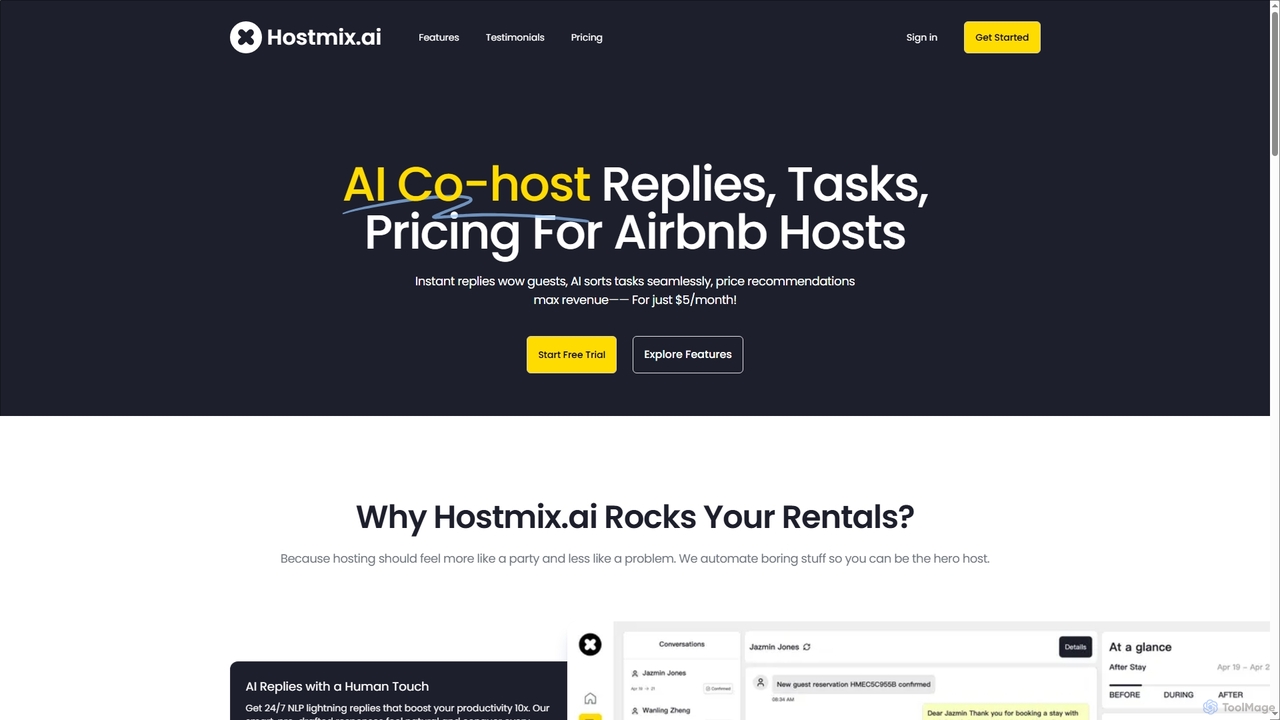
Hostmix

Hostmix

Hostmix is an AI co-host designed for Airbnb hosts, automating guest communication, task management, and dynamic pricing. It …

2.6K
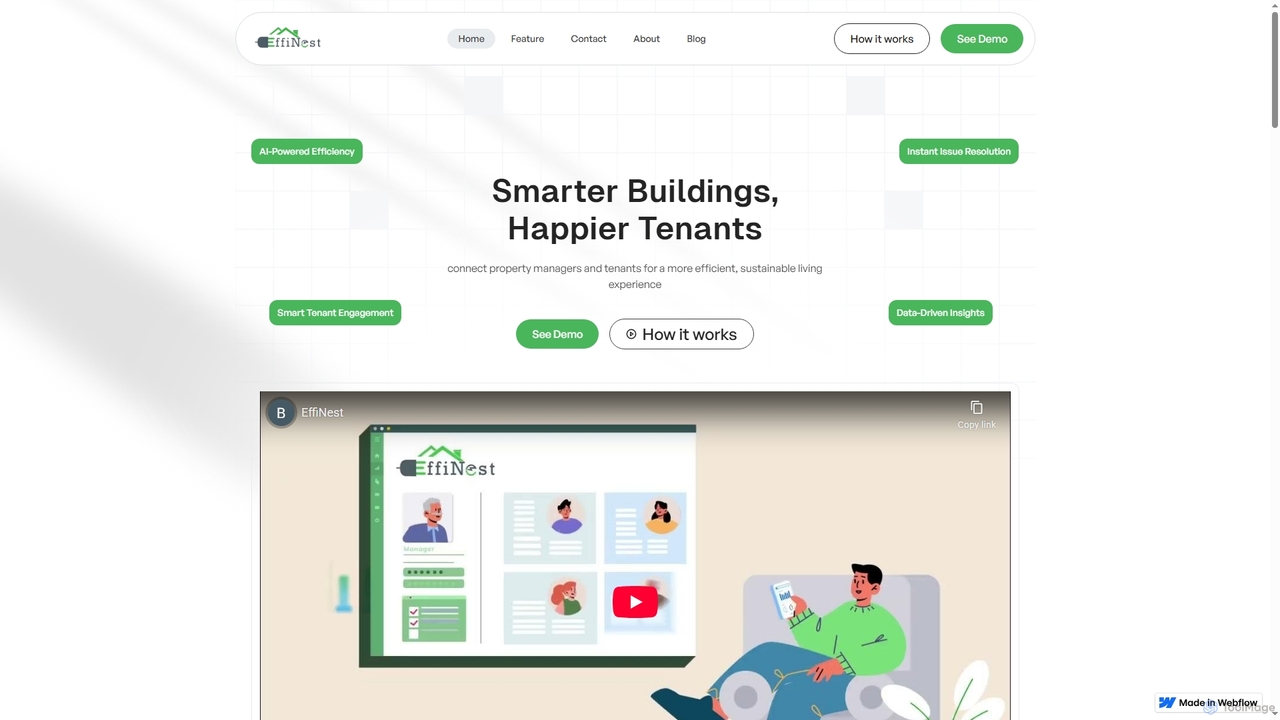
Effinest

Effinest

Effinest is an AI-powered property management platform designed to create smarter, more efficient, and sustainable living experiences. It …

2.6K
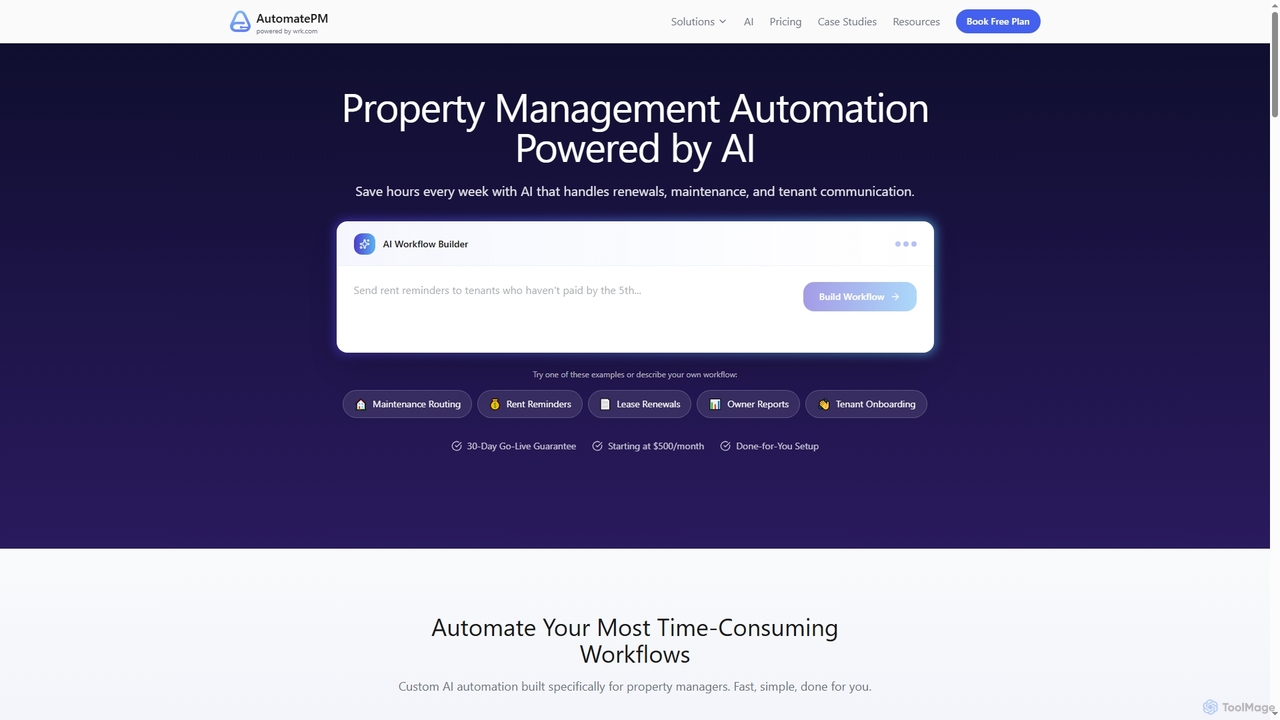
AutomatePropertyManagement

AutomatePropertyManagement

AutomatePropertyManagement is an AI-powered platform designed to streamline property management workflows, saving property managers 20-40 hours per month. …

2.5K
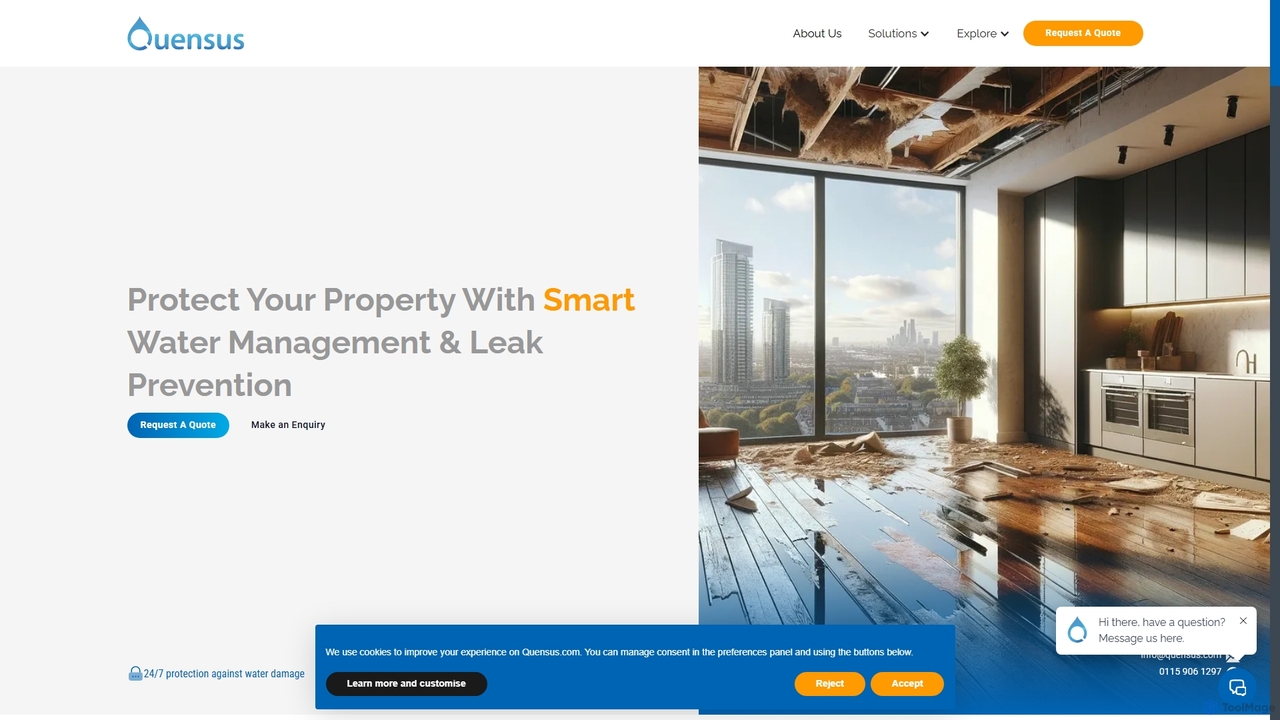
Quensus

Quensus

Quensus is an AI-powered intelligent water management and leak prevention system for commercial and residential properties. It combines …

8.5K

About Property Management

Property Management tools are AI-powered solutions designed to automate and optimize various aspects of real estate administration and operations. These platforms leverage artificial intelligence to streamline tasks such as tenant communication, maintenance scheduling, financial tracking, and predictive analytics. By integrating AI, they enhance efficiency, reduce operational costs, and improve the overall experience for property owners, managers, and tenants alike.

Core Features

  • Automated Tenant Communication: AI chatbots handle inquiries, schedule viewings, and send automated reminders for rent or maintenance.
  • Predictive Maintenance: AI analyzes data from sensors and historical records to predict equipment failures and schedule proactive repairs.
  • Financial Management & Reporting: Automates rent collection, expense tracking, budget analysis, and generates comprehensive financial reports.
  • Lease Management & Compliance: Digitizes lease agreements, tracks renewal dates, and ensures adherence to regulatory requirements.
  • Smart Property Monitoring: Integrates with IoT devices to monitor property conditions, energy usage, and security in real-time.

Applicable Scenarios

Property Management AI tools are invaluable for landlords managing multiple units, large property management companies overseeing diverse portfolios, and real estate investors seeking to optimize asset performance. They are used to automate routine administrative tasks, improve tenant satisfaction through faster responses, and gain data-driven insights for strategic decision-making regarding property maintenance and investment.

How to Choose

When selecting a Property Management AI tool, consider its core functionalities, ensuring it covers your specific needs like tenant communication, maintenance, or financial tracking. Evaluate its integration capabilities with existing systems (e.g., accounting software, smart home devices). Assess the scalability to accommodate your portfolio growth and review its pricing model for cost-effectiveness. Finally, prioritize user-friendliness and robust customer support for a smooth implementation and ongoing operation.

Property ManagementUse Cases

1

Automating Tenant Inquiries and Support

A property manager uses an AI chatbot to handle common tenant questions about rent payments, maintenance requests, or building policies. The AI provides instant, accurate responses 24/7, automatically escalating complex issues to human staff. This reduces the workload on the management team by 60%, ensuring tenants receive timely support and improving overall satisfaction without requiring constant human oversight.

2

Implementing Predictive Maintenance for Facilities

A facilities manager deploys an AI-powered system that analyzes data from HVAC sensors, plumbing, and electrical systems. The AI identifies anomalies and predicts potential equipment failures before they occur, automatically generating work orders for proactive maintenance. This approach reduces emergency repairs by 30% and extends the lifespan of critical assets, leading to significant cost savings and minimizing disruption for tenants.

3

Optimizing Rent Collection and Financial Tracking

A property owner utilizes an AI-driven financial management tool to automate rent collection, send overdue payment reminders, and reconcile transactions. The system categorizes expenses, generates real-time financial reports, and flags discrepancies, providing a clear overview of property profitability. This automation saves 15 hours per month on administrative tasks and reduces payment delays by 20%, ensuring healthier cash flow and more accurate financial planning.

4

Streamlining Lease Management and Renewals

A large property management company employs an AI system to digitize all lease agreements, track critical dates like renewals and expirations, and automate the communication process for lease extensions. The AI proactively notifies tenants and managers of upcoming deadlines, generates renewal offers based on market analysis, and ensures compliance with local housing laws. This reduces manual errors by 40% and increases lease renewal rates by 10%, improving tenant retention and operational efficiency.

5

Enhancing Property Security with AI Surveillance

A residential complex manager integrates AI-powered surveillance cameras and access control systems. The AI monitors live video feeds for unusual activity, identifies unauthorized individuals, and alerts security personnel in real-time. It can also analyze patterns to detect potential threats or vulnerabilities. This proactive security measure reduces incidents of theft and vandalism by 25% and enhances resident safety, providing a more secure living environment.

6

Data-Driven Investment Analysis for Real Estate Portfolios

A real estate investor uses an AI platform to analyze market trends, property valuations, and demographic data across various regions. The AI identifies high-potential investment opportunities, predicts rental income fluctuations, and assesses risk factors for different property types. This enables the investor to make more informed decisions, optimizing portfolio performance by 15% and identifying profitable acquisitions faster than traditional methods.

Property ManagementFrequently Asked Questions