QuickCount
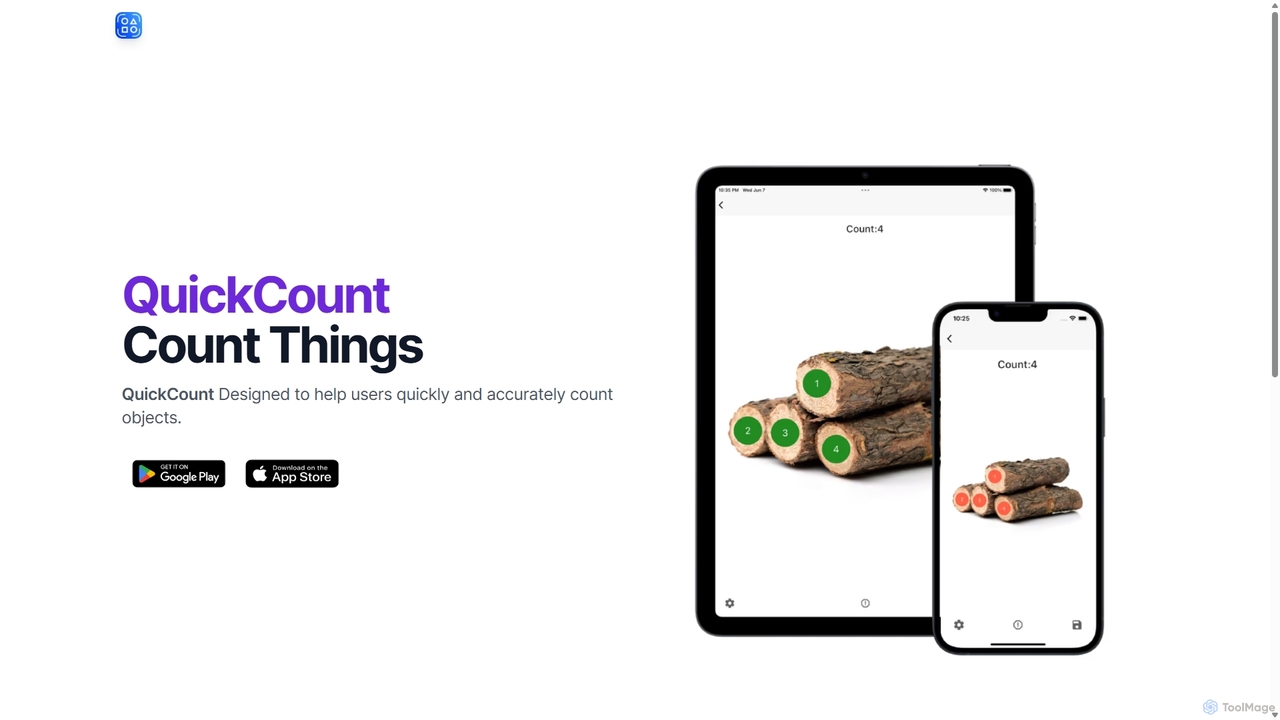
An AI-powered computer vision tool designed for instantly and accurately counting various objects from images. Ideal for inventory, …
An AI-powered computer vision tool designed for instantly and accurately counting various objects from images. Ideal for inventory, construction, agriculture, and research, it saves time and eliminates manual counting errors.
Quensus
Quensus is an AI-powered intelligent water management and leak prevention system for commercial and residential properties. It combines …
Quensus is an AI-powered intelligent water management and leak prevention system for commercial and residential properties. It combines smart hardware with machine learning software to monitor water usage in real-time, detect leaks and anomalies, and automatically shut off the water supply to prevent costly damage. The system helps reduce water bills, ensure regulatory compliance (BREEAM, JCoP), and promote sustainability.
viact
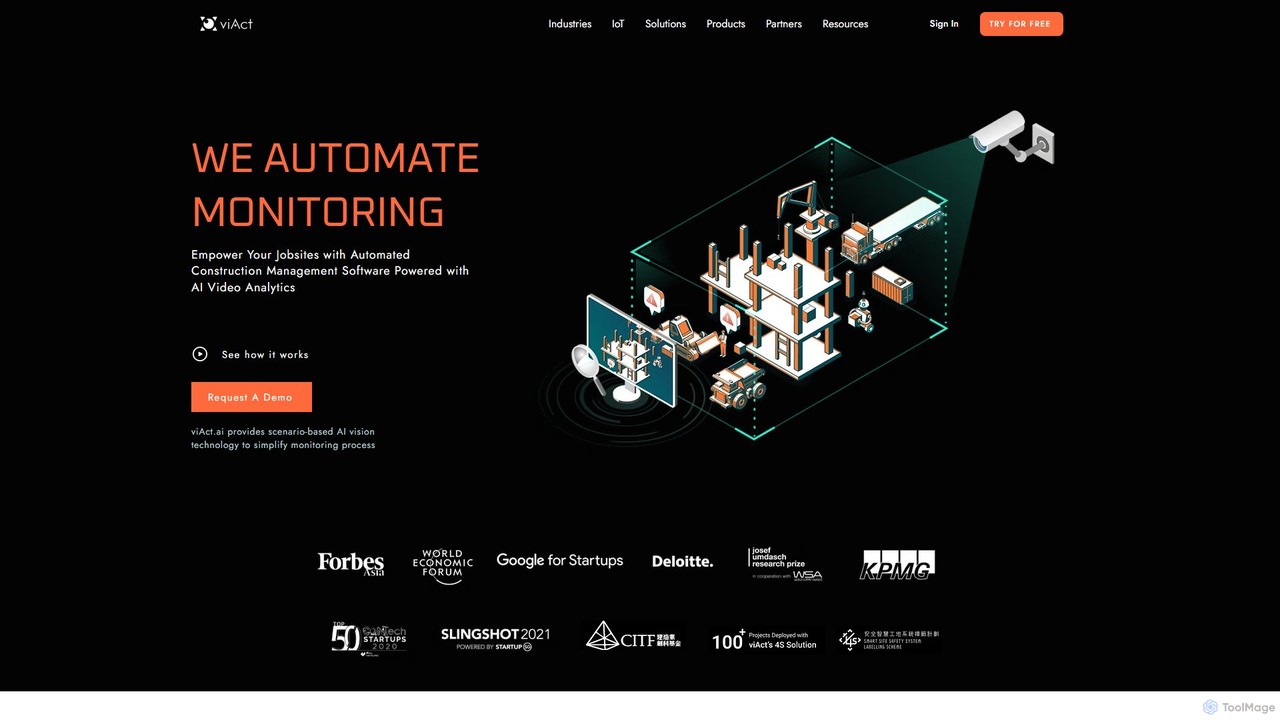
viAct is an AI-powered video analytics platform designed for the construction industry. It automates worksite monitoring to enhance …
viAct is an AI-powered video analytics platform designed for the construction industry. It automates worksite monitoring to enhance safety, productivity, and compliance. By leveraging existing CCTV cameras, viAct's computer vision technology detects safety hazards like PPE non-compliance and danger zone intrusions, providing real-time alerts and data-driven insights through a smart dashboard.
About Site Management
AI Site Management tools are intelligent platforms designed to automate, optimize, and streamline various aspects of website operation and maintenance. These tools leverage machine learning, natural language processing, and data analytics to enhance website performance, security, and user experience. They empower webmasters, marketers, and businesses to manage their online presence more efficiently, making data-driven decisions to improve engagement and conversion rates.
Core Features
- Automated SEO Optimization: Analyzes content and technical elements to suggest improvements for search engine rankings.
- Performance Monitoring: Continuously tracks website speed, uptime, and resource usage, alerting to potential issues.
- Advanced Security & Threat Detection: Identifies vulnerabilities, monitors for malicious activity, and provides protection against cyber threats.
- User Behavior Analytics: Gathers insights on visitor interactions to personalize content and optimize conversion funnels.
- Content Management Automation: Assists with content scheduling, publishing, and updates across various platforms.
Applicable Scenarios
These tools are invaluable for e-commerce platforms seeking to optimize product pages, content publishers aiming to boost SEO and reader engagement, and corporate websites requiring robust security and consistent performance. Web agencies also utilize them to efficiently manage multiple client sites, ensuring high standards across their portfolio.
How to Choose
When selecting an AI Site Management tool, consider its integration capabilities with your existing CMS and marketing stack, the breadth of its AI-driven features (e.g., predictive analytics, personalization), and its scalability to grow with your website traffic. Evaluate its security protocols, reporting dashboards, and the level of technical expertise required for implementation and daily use.

Site ManagementUse Cases
Automated SEO Content Optimization
Content creators and digital marketers can leverage AI Site Management tools to automatically analyze website content for SEO best practices. The AI identifies keyword gaps, suggests improvements for readability, and optimizes meta descriptions and titles. This leads to higher search engine rankings, increased organic traffic, and saves significant time compared to manual optimization efforts, allowing teams to focus on content creation.
Proactive Website Performance Monitoring
Webmasters and IT administrators use AI Site Management tools for continuous, proactive monitoring of website performance. The AI detects anomalies in loading times, server response, and resource utilization, often before they impact users. This enables rapid issue resolution, prevents downtime, and ensures a consistently fast and reliable user experience, crucial for maintaining visitor satisfaction and SEO health.
Enhanced Website Security & Vulnerability Scanning
IT security teams and website owners deploy AI Site Management tools to bolster their website's defenses against cyber threats. The AI continuously scans for vulnerabilities, identifies suspicious login attempts, and detects malware or unauthorized changes in real-time. This proactive security posture minimizes the risk of data breaches, protects sensitive user information, and maintains the website's integrity and trustworthiness.
Personalized User Experience Delivery
E-commerce managers and marketing teams utilize AI Site Management tools to deliver highly personalized user experiences. The AI analyzes individual user behavior, preferences, and past interactions to dynamically adjust content, product recommendations, and calls to action. This tailored approach significantly increases user engagement, improves conversion rates, and fosters stronger customer loyalty by making each visit feel unique and relevant.
Efficient Website Migration & Backup Management
Developers and IT administrators leverage AI Site Management tools to simplify complex tasks like website migration and backup management. AI-powered features can analyze site structures, identify dependencies, and automate the transfer of data and configurations with minimal manual intervention. This ensures smooth, error-free migrations and reliable, scheduled backups, significantly reducing the risk of data loss and operational disruptions during critical infrastructure changes.
AI-driven A/B Testing & Conversion Optimization
Growth marketers and product managers employ AI Site Management tools to conduct advanced A/B testing and optimize conversion funnels. The AI can automatically generate multiple variations of page elements (headlines, CTAs, layouts), predict which variations will perform best, and continuously run tests to identify optimal designs. This data-driven approach accelerates the optimization process, leading to higher conversion rates, increased revenue, and a deeper understanding of user preferences.