QuickCount
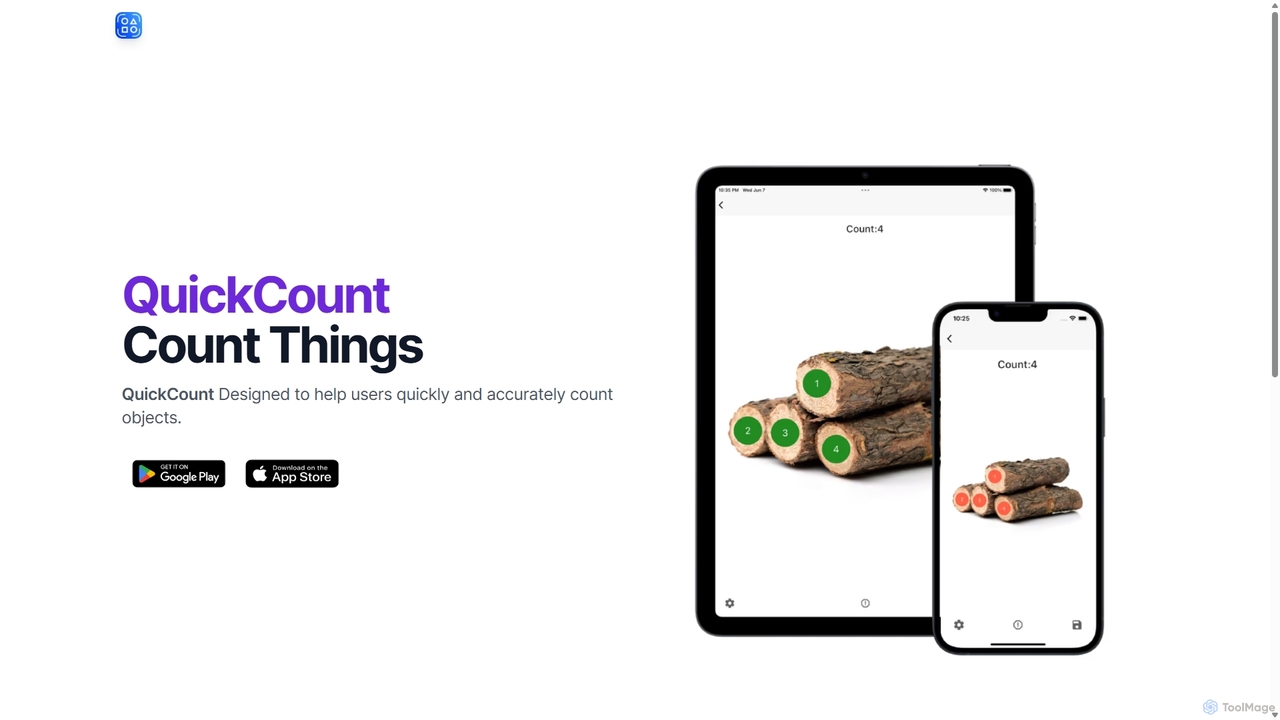
An AI-powered computer vision tool designed for instantly and accurately counting various objects from images. Ideal for inventory, …
An AI-powered computer vision tool designed for instantly and accurately counting various objects from images. Ideal for inventory, construction, agriculture, and research, it saves time and eliminates manual counting errors.
Inventory365
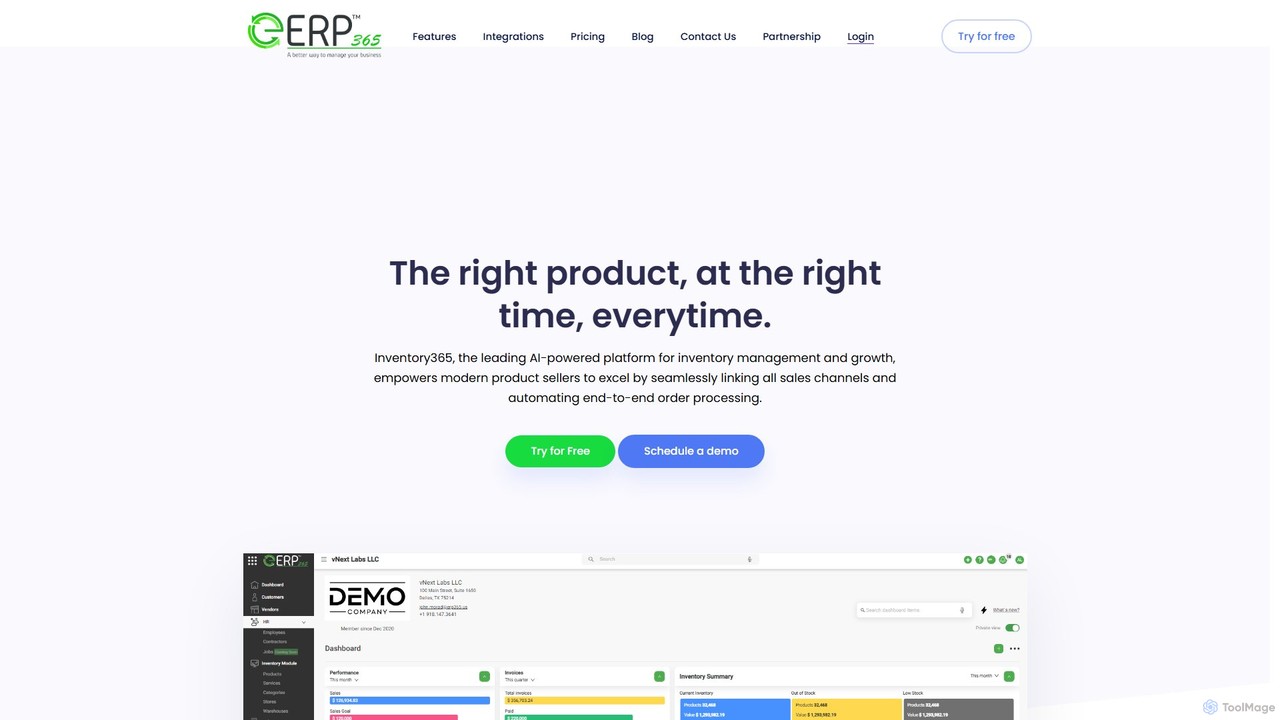
Inventory365 is a leading AI-powered inventory management platform for modern e-commerce and retail businesses. It centralizes operations by …
Inventory365 is a leading AI-powered inventory management platform for modern e-commerce and retail businesses. It centralizes operations by integrating all sales channels like Shopify and Amazon into a single dashboard. The system automates end-to-end order processing, provides real-time inventory visibility, and uses machine learning for accurate demand forecasting to prevent stockouts, optimize stock levels, and increase profitability.
standardretail
standardretail is an AI-powered platform for e-commerce and retail businesses. It leverages machine learning to optimize inventory management, …
standardretail is an AI-powered platform for e-commerce and retail businesses. It leverages machine learning to optimize inventory management, forecast sales trends, analyze customer behavior, and automate personalized marketing campaigns. The tool helps retailers streamline operations, reduce costs, and increase revenue by providing data-driven insights and actionable recommendations.
Itemery
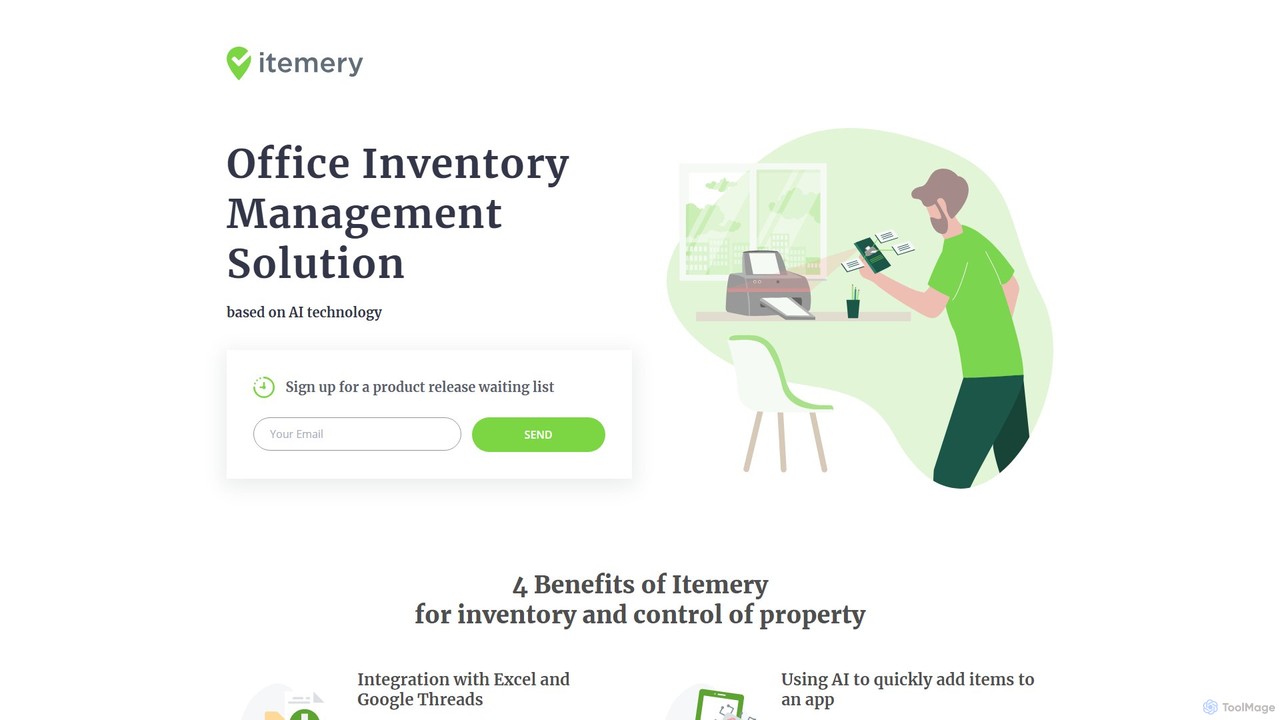
Itemery is an AI-powered office inventory management software for small and medium businesses. It simplifies asset tracking with …
Itemery is an AI-powered office inventory management software for small and medium businesses. It simplifies asset tracking with features like AI object recognition via a mobile app, QR/barcode scanning, and seamless data import. Users can easily organize items, manage locations, conduct audits, and monitor company assets through an intuitive dashboard, making inventory control efficient and accessible from anywhere.
Inventoro
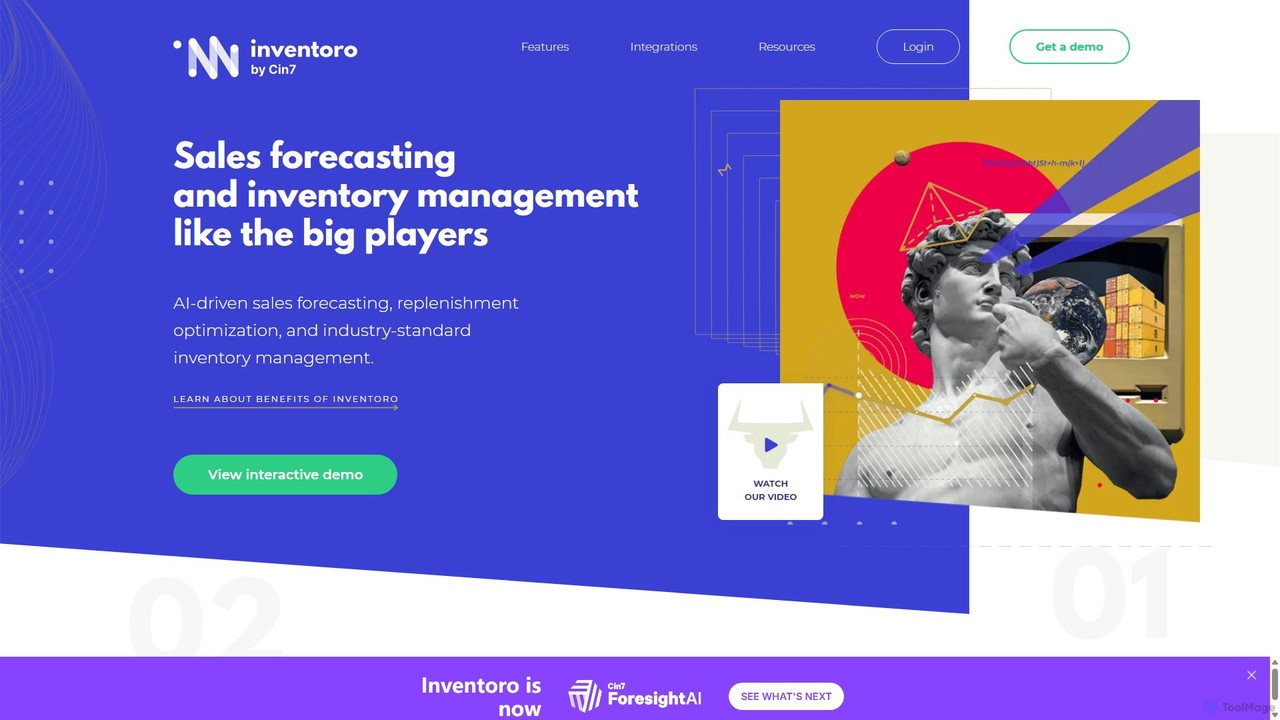
Inventoro is an AI-powered inventory management platform designed for SMEs. It provides smart sales forecasting and replenishment optimization …
Inventoro is an AI-powered inventory management platform designed for SMEs. It provides smart sales forecasting and replenishment optimization to help businesses reduce inventory, increase revenue, and improve product availability. By analyzing historical sales data, Inventoro automates ordering processes, saving time and freeing up cash flow for growth.
Odeko
Odeko is an AI-powered, all-in-one operations platform for cafes and coffee shops. It simplifies supply chain management by …
Odeko is an AI-powered, all-in-one operations platform for cafes and coffee shops. It simplifies supply chain management by consolidating orders, providing next-day overnight delivery, and offering smart inventory insights. Using predictive analytics, Odeko helps businesses optimize stock levels, reduce waste, and increase profitability, allowing owners to focus on their customers and growth.
About Inventory Management
AI Inventory Management tools are intelligent systems that use machine learning and predictive analytics to automate and optimize stock control. These platforms analyze historical sales data, market trends, and seasonality to accurately forecast future demand. This proactive approach helps businesses prevent costly stockouts and reduce excess inventory, directly improving cash flow and profitability. By automating reordering and identifying supply chain risks, they transform inventory management from a reactive task into a strategic business advantage.
Core Features
- Predictive Demand Forecasting: Utilizes AI to analyze patterns and predict future product demand with high accuracy.
- Automated Reordering: Automatically generates purchase orders when stock levels reach optimized, dynamically calculated reorder points.
- Inventory Optimization: Recommends ideal stock levels and distribution across multiple locations or warehouses to minimize carrying costs.
- Dead Stock Identification: Proactively identifies slow-moving or obsolete items and suggests strategies for liquidation.
- Supply Chain Anomaly Detection: Monitors logistics data to flag potential delays or disruptions before they impact stock availability.
Use Cases
These tools are essential for businesses with complex supply chains or large product catalogs, such as e-commerce, retail, manufacturing, and wholesale distribution. Inventory managers, supply chain analysts, and operations directors use them to make data-driven decisions, reduce manual work, and enhance operational efficiency.
How to Choose
When selecting an AI Inventory Management tool, consider its integration capabilities with your existing ERP, CRM, or e-commerce platform. Evaluate the accuracy of its forecasting models, its ability to scale with your number of SKUs, and whether it offers industry-specific features like batch and expiry tracking for perishable goods.
Inventory ManagementUse Cases
E-commerce Seasonal Demand Forecasting
An online fashion retailer uses an AI inventory management tool to prepare for the holiday shopping season. The AI analyzes sales data from previous years, current social media trends, and competitor promotions to forecast demand for specific items like sweaters and winter coats. Based on these predictions, the system recommends precise order quantities to suppliers, preventing overstocking of unpopular sizes and ensuring top-selling products remain available. This data-driven approach helps the retailer maximize sales and avoid clearance markdowns after the season ends.
Automated Replenishment for Grocery Stores
A regional grocery chain implements an AI system to manage perishable goods like dairy and produce. The tool monitors real-time sales data and remaining shelf life for each item. It automatically calculates optimal reorder points and quantities, placing orders with suppliers to prevent stockouts while minimizing spoilage. This automation reduces manual ordering tasks for store managers by over 80% and decreases food waste, directly improving the store's profit margins and ensuring product freshness for customers.
JIT Inventory for Electronics Manufacturing
An electronics manufacturer relies on an AI inventory tool to implement a Just-in-Time (JIT) strategy for component parts. The system integrates with production schedules and supplier lead times to predict the exact moment specific components, like microchips and resistors, are needed on the assembly line. It then automates purchase orders to ensure parts arrive precisely on time, eliminating the need for large, expensive on-site warehousing. This minimizes capital tied up in inventory and reduces the risk of component obsolescence.
Multi-Warehouse Stock Balancing
A national distributor with five warehouses across the country uses AI to optimize its stock distribution. The platform analyzes regional sales patterns, shipping costs, and delivery times. It provides recommendations for transferring stock between warehouses to meet local demand surges and reduce cross-country shipping. For example, it might suggest moving more rain gear to a region with a rainy forecast. This balancing act ensures faster delivery to customers and significantly lowers overall logistics expenses.
Reducing Dead Stock in Retail
A large bookstore chain leverages an AI tool to combat the problem of dead stock—books that haven't sold for months. The AI scans sales history across all stores to identify these slow-moving titles. Instead of waiting for an annual clearance, the system proactively suggests targeted actions, such as creating a "staff picks" bundle, offering a 20% discount, or moving the books to a store in a different demographic where they are more likely to sell. This helps recover revenue from otherwise stagnant assets.
Proactive Supply Chain Risk Mitigation
A global automotive parts supplier uses an AI inventory platform to monitor its complex supply chain. The system tracks supplier delivery performance, port congestion data, and even news about geopolitical events in sourcing regions. When it detects a potential disruption, such as a delay at a major shipping port, it alerts the supply chain manager and models the impact on production. It can also suggest alternative suppliers or shipping routes to mitigate the risk before it causes a stockout and halts manufacturing.