ToolMage
Sign in

Best 11 Analytics AI tools for Ecommerce

Popular Analytics AI tools in Ecommerce include Kalodata, madgicx, EchoTik, standardretail, datahawk, Tresl, Outoftheblue, Inventoro, Prycing, and ChatKPI, helping you work more efficiently.

Outoftheblue
Freemium

Outoftheblue

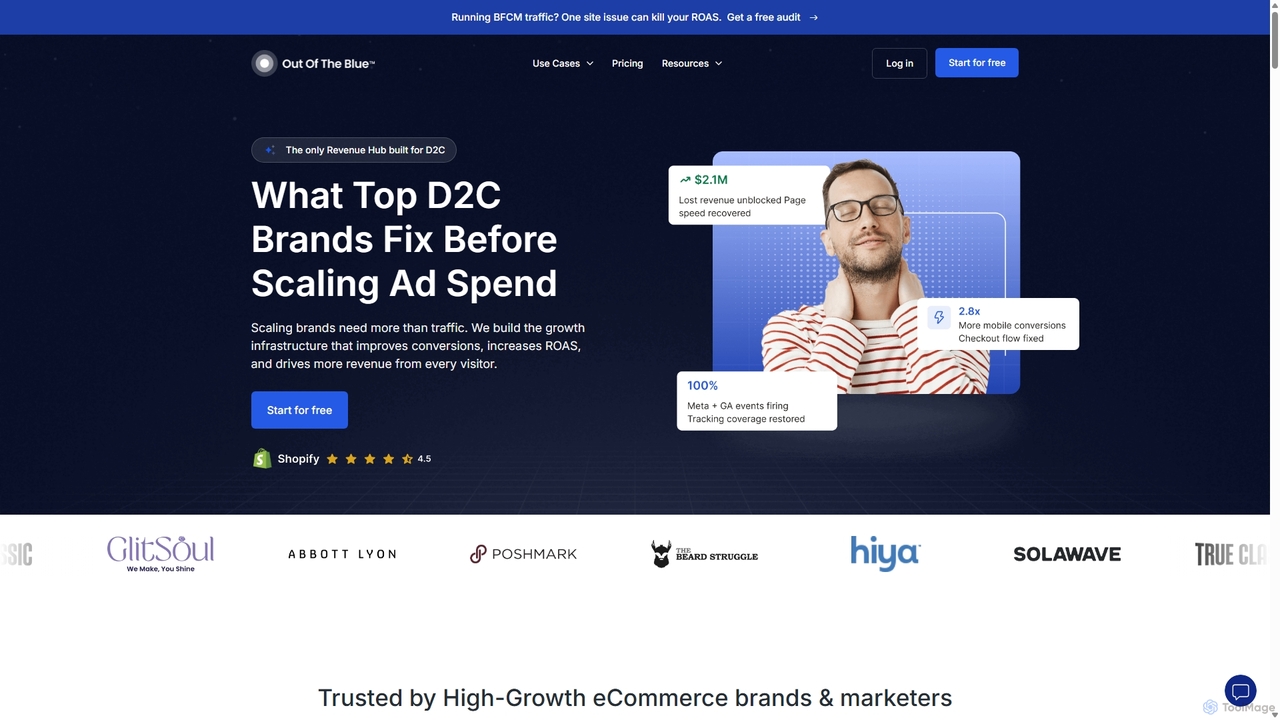
Outoftheblue is an AI-powered eCommerce observability platform for D2C brands. It provides real-time monitoring of over 100 ad and site signals, instantly alerting businesses to revenue-impacting issues like broken pixels, checkout failures, and ad spend inefficiencies. This proactive approach helps brands protect ROAS, improve conversions, and scale confidently.

Monitoring
Visits 7.1KFavorites 149Likes 128
Prycing
Paid

Prycing

Prycing is an AI-powered dynamic pricing and revenue optimization platform for e-commerce and retail. It analyzes market data, competitor prices, and customer behavior to automatically set optimal prices, helping businesses scale profits and maintain a competitive edge.

Pricing Optimization
Visits 3.4KFavorites 110Likes 110
standardretail
Freemium

standardretail

standardretail is an AI-powered platform for e-commerce and retail businesses. It leverages machine learning to optimize inventory management, forecast sales trends, analyze customer behavior, and automate personalized marketing campaigns. The tool helps retailers streamline operations, reduce costs, and increase revenue by providing data-driven insights and actionable recommendations.

Inventory Management
Visits 56.2KFavorites 115Likes 114
EchoTik
Freemium

EchoTik

EchoTik is a leading third-party data analytics platform for TikTok e-commerce. It empowers sellers, creators, MCNs, and brands with data-driven insights for product research, influencer marketing, and livestream analysis, helping them succeed in the global TikTok Shop marketplace.

Analytics
Visits 102.1KFavorites 112Likes 98
Inventoro
Paid

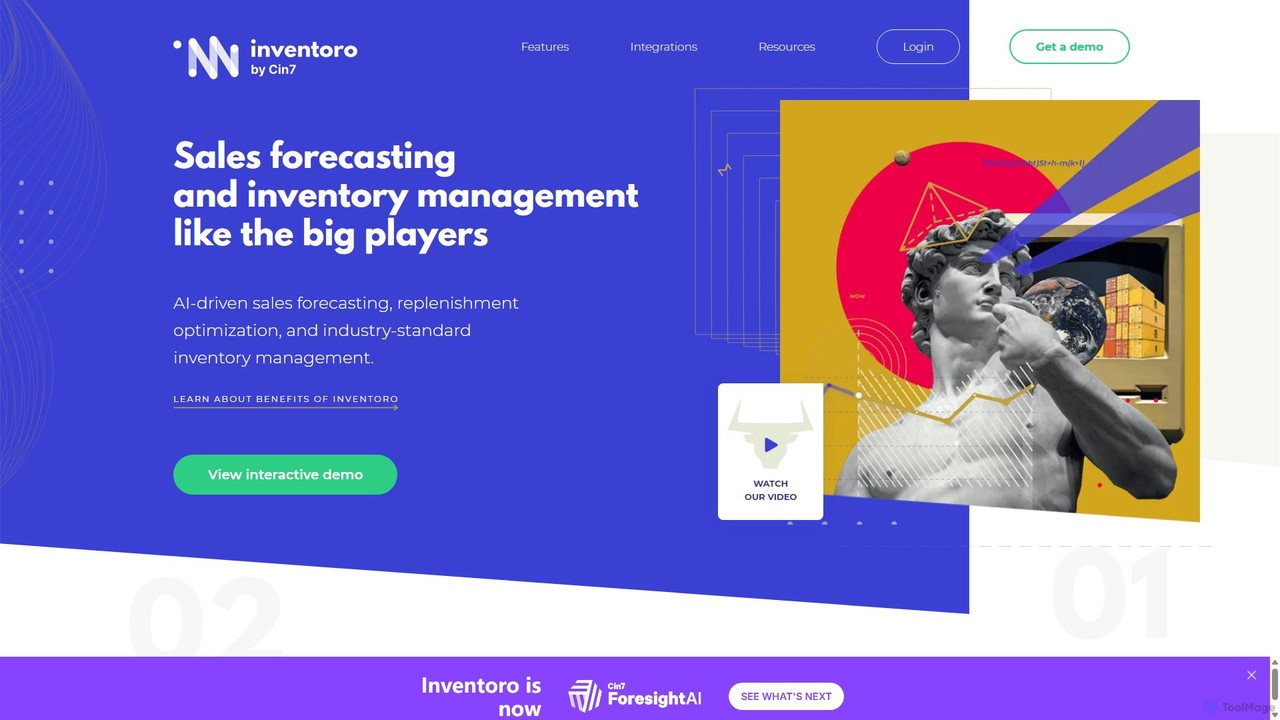
Inventoro

Inventoro is an AI-powered inventory management platform designed for SMEs. It provides smart sales forecasting and replenishment optimization to help businesses reduce inventory, increase revenue, and improve product availability. By analyzing historical sales data, Inventoro automates ordering processes, saving time and freeing up cash flow for growth.

Inventory Management
Visits 4.7KFavorites 106Likes 108
datahawk
Paid

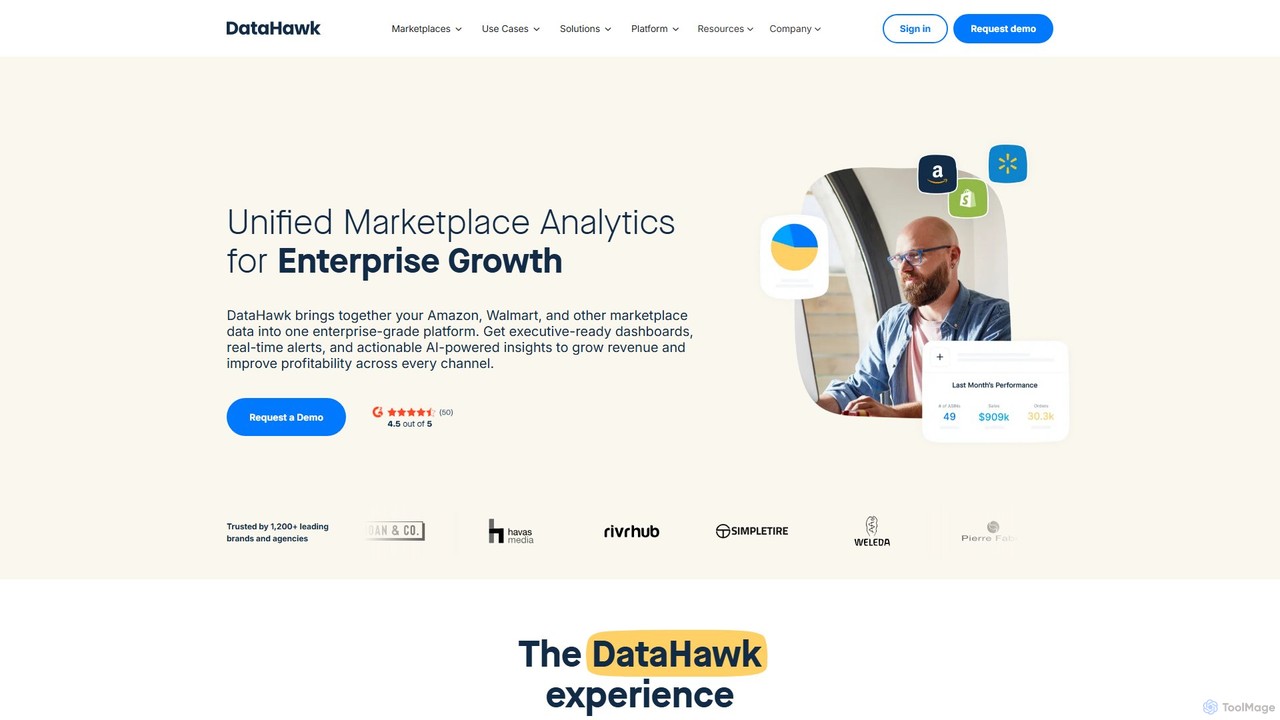
datahawk

datahawk is a unified, AI-powered marketplace analytics platform for enterprise brands and agencies. It consolidates data from Amazon, Walmart, and Shopify, providing executive-ready dashboards, real-time alerts, and actionable insights to drive revenue growth and improve profitability across all channels.

Business Intelligence
Visits 19.7KFavorites 98Likes 92
Tresl
Freemium

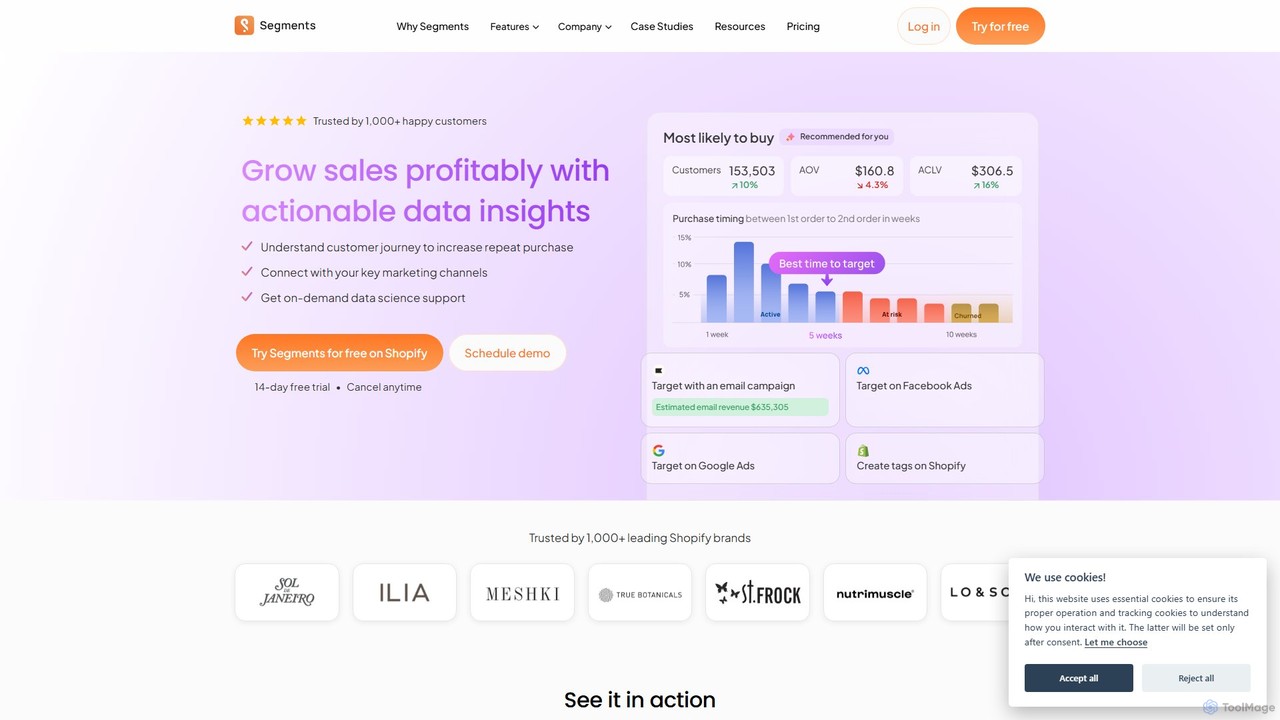
Tresl

Tresl is an AI-powered customer segmentation and analytics platform for Shopify stores. It uses natural language processing (SegmentsGPT & ReportGPT) to help marketers create hyper-targeted customer segments, uncover deep insights, and sync audiences across marketing channels like Klaviyo, Meta, and Google to boost retention and ROI.

Analytics
Visits 8.4KFavorites 104Likes 97
EcomStat
Freemium

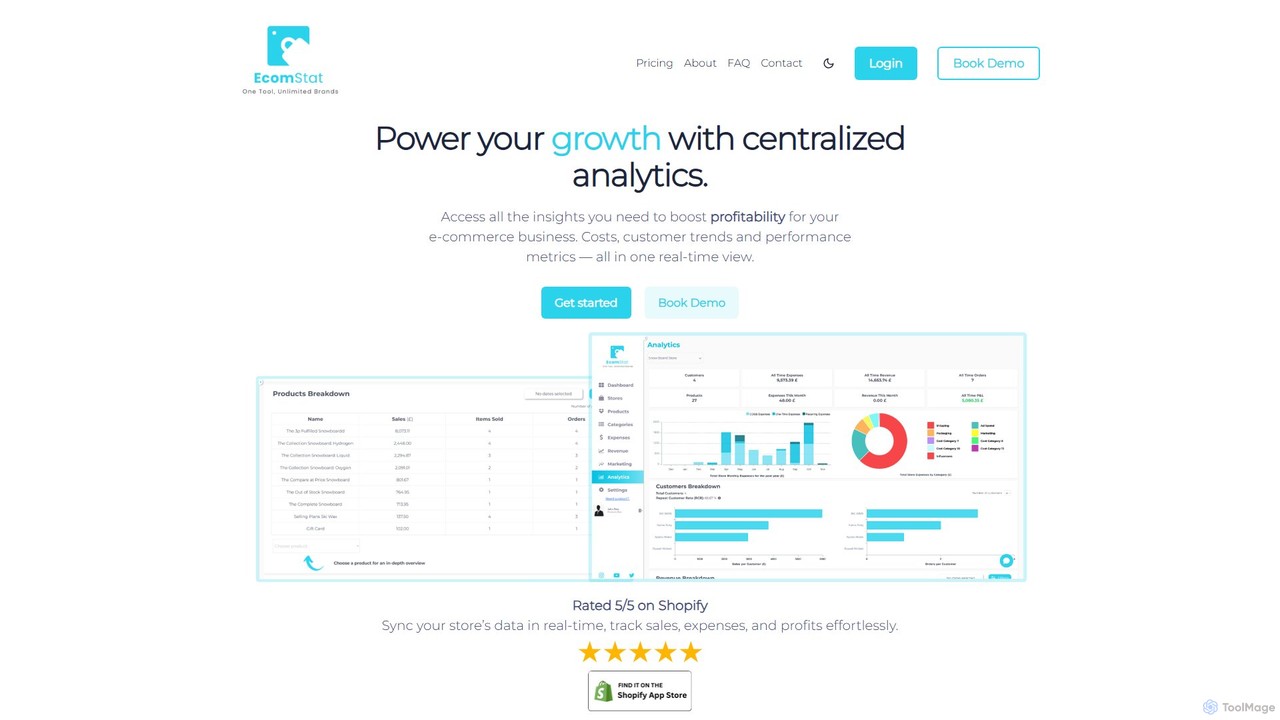
EcomStat

EcomStat is an all-in-one analytics platform for e-commerce businesses. It centralizes data from sales and marketing channels, providing real-time insights into costs, customer trends, and product-level profitability. By integrating with platforms like Shopify, it helps owners track performance, simplify accounting, and make informed decisions to boost revenue and growth, replacing complex spreadsheets with an intuitive dashboard.

Analytics
Visits 3.3KFavorites 121Likes 139
ChatKPI
Freemium

ChatKPI

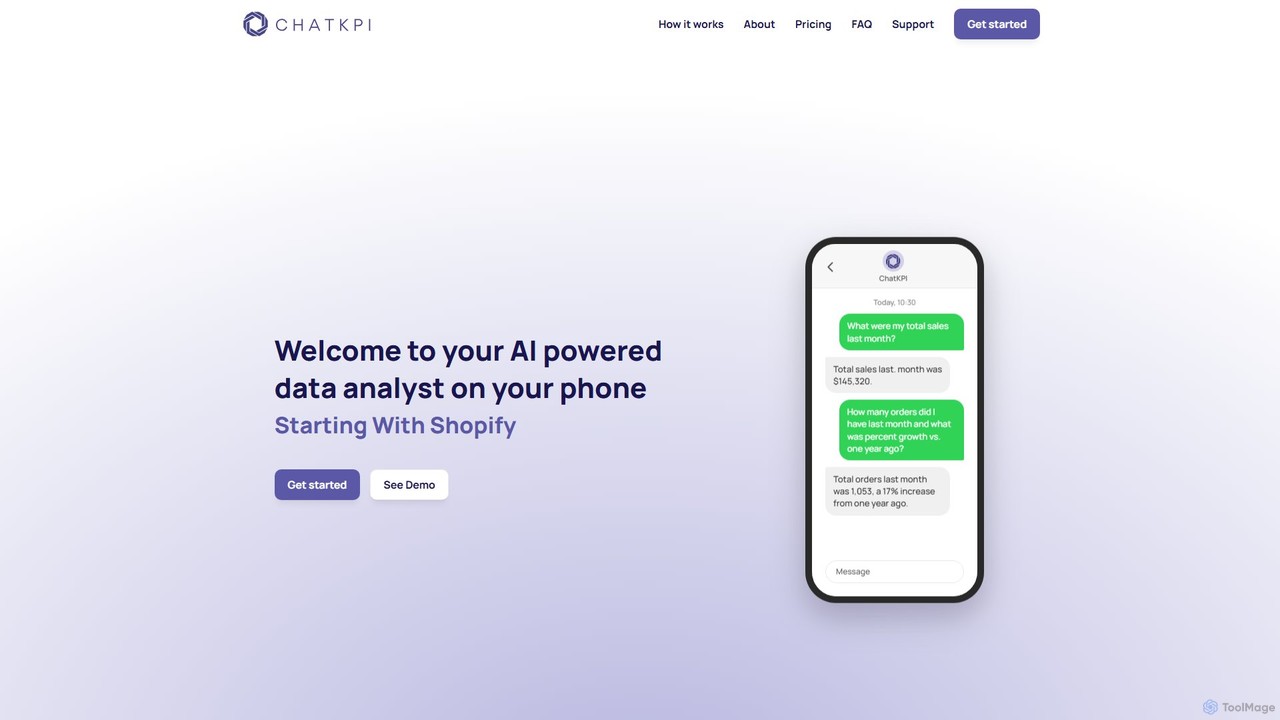
ChatKPI is an AI-powered data analyst for Shopify stores. It allows business owners to get real-time metrics and insights about sales, products, and customers simply by sending a text message. Ask questions in natural language and receive instant, easy-to-understand answers, graphs, and reports.

Chatbot
Visits 3.4KFavorites 84Likes 84
Kalodata
Freemium

Kalodata

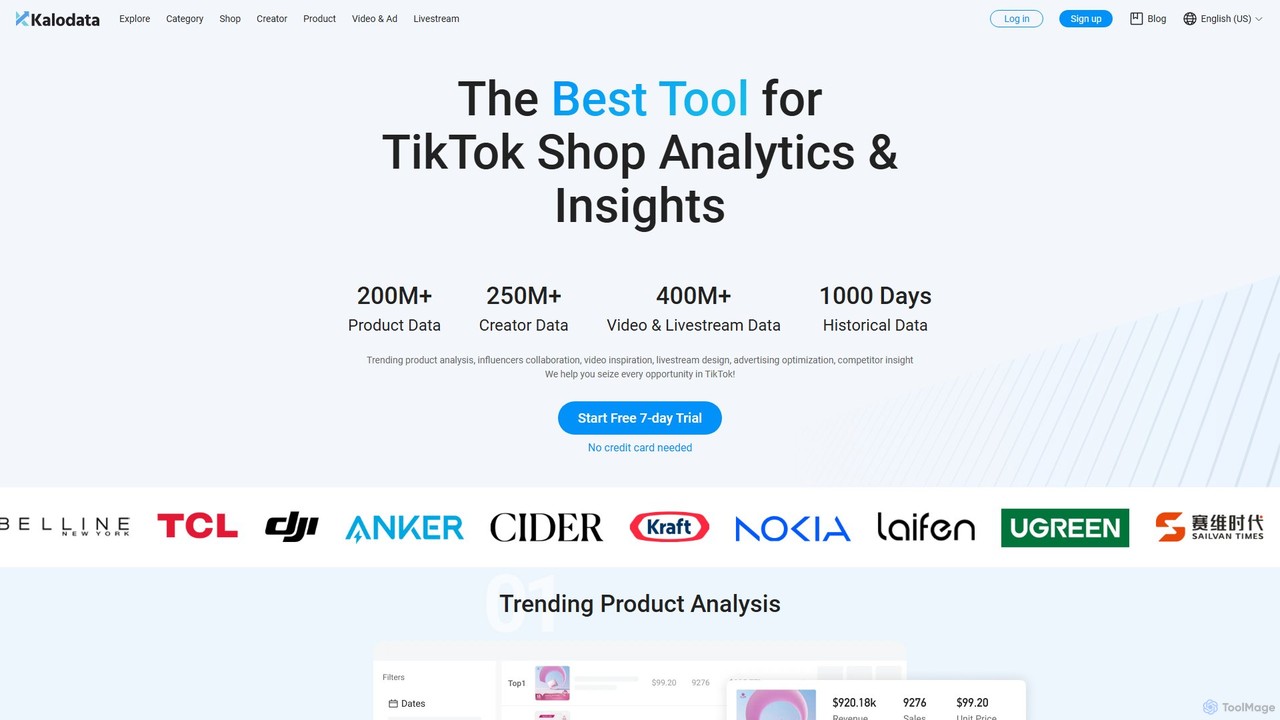
Kalodata is an AI-powered analytics and insights platform for TikTok Shop. It provides comprehensive data on trending products, creators, videos, and competitors, helping sellers, brands, and affiliates make data-driven decisions to boost sales and efficiency on TikTok.

Business Intelligence
Visits 1.7MFavorites 109Likes 123
madgicx
Freemium

madgicx

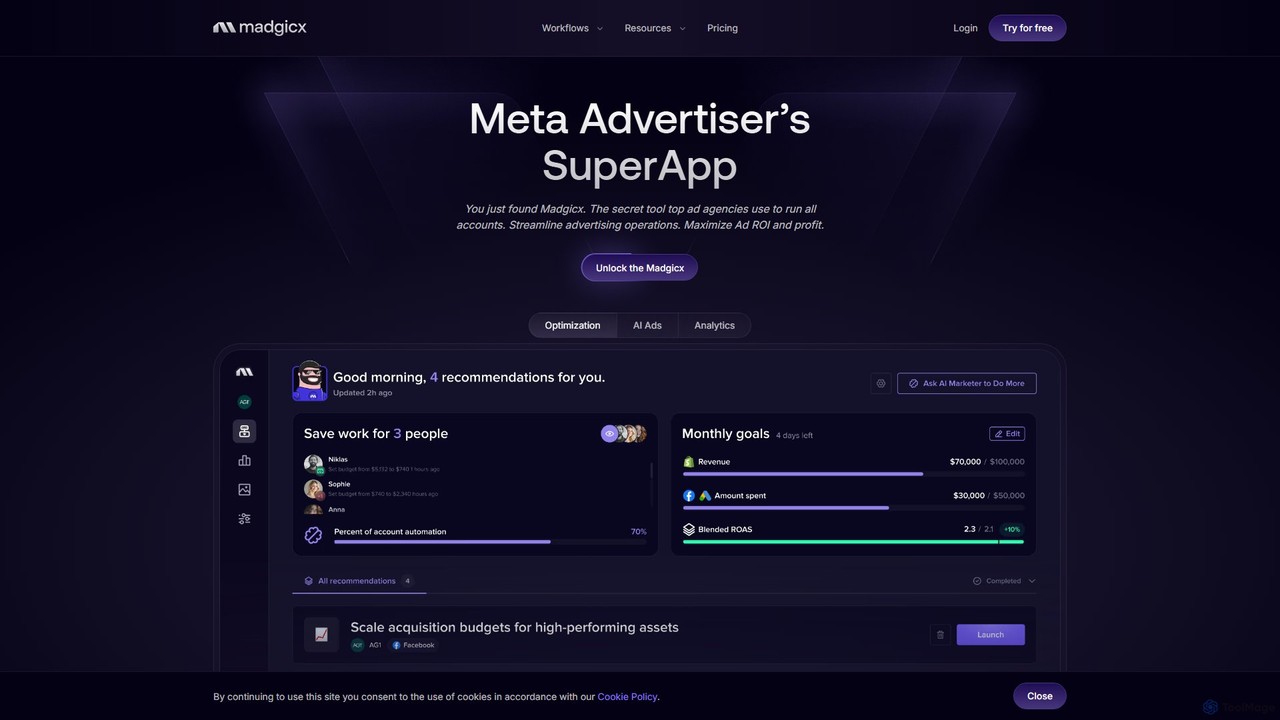
Madgicx is an AI-powered advertising super-app for e-commerce, designed to optimize ad campaigns on Meta, Google, and TikTok. It acts as an all-in-one ad cloud, offering AI-driven campaign audits, ad creative generation, unified analytics dashboards, and powerful automation tools to maximize ROAS and save time for advertisers.

Analytics
Visits 214KFavorites 135Likes 153

About Analytics

AI Analytics tools for Ecommerce are specialized platforms that leverage artificial intelligence and machine learning to process vast amounts of online retail data. These tools go beyond traditional descriptive reporting, offering advanced capabilities like predictive modeling, prescriptive insights, and automated anomaly detection. They empower ecommerce businesses to understand customer behavior, optimize operations, personalize experiences, and make data-driven decisions to drive growth and profitability. By transforming raw data into actionable intelligence, AI analytics helps retailers stay competitive in a dynamic market.

Core Features

  • Sales Trend Prediction: Forecasts future sales based on historical data, seasonality, and market trends to optimize inventory and marketing.
  • Customer Behavior Analysis: Identifies purchasing patterns, browsing habits, and engagement metrics to segment customers and personalize offers.
  • Inventory Optimization: Recommends optimal stock levels, identifies slow-moving items, and predicts demand fluctuations to minimize carrying costs and stockouts.
  • Marketing Campaign Performance: Evaluates the effectiveness of various marketing channels and campaigns, attributing conversions and optimizing ad spend.
  • Dynamic Pricing Strategy: Adjusts product prices in real-time based on demand, competitor pricing, and inventory levels to maximize revenue.

Use Cases

Ecommerce businesses utilize AI analytics to gain a competitive edge. For instance, online retailers employ these tools to predict peak shopping seasons, allowing them to proactively adjust staffing, inventory, and promotional strategies. They also use AI to identify high-value customer segments for targeted loyalty programs, enhancing customer lifetime value.

How to Choose

When selecting an AI analytics tool for ecommerce, consider its integration capabilities with existing platforms (CRM, ERP, marketing automation), the depth of its predictive and prescriptive insights, and the clarity of its data visualization. Evaluate its scalability to handle growing data volumes, the ease of use for non-technical users, and its compliance with data privacy regulations like GDPR or CCPA.

Featured tool rankings

Analytics use cases

1

Predictive Sales Forecasting for Inventory Management

An ecommerce operations manager utilizes AI analytics to forecast sales for the upcoming quarter, considering historical data, seasonal trends, and external market indicators. By accurately predicting demand for specific products, they can optimize inventory levels, reducing carrying costs and preventing stockouts. This proactive approach ensures products are available when customers want them, minimizing lost sales opportunities and improving supply chain efficiency.

2

Personalized Product Recommendations

An online retailer employs AI analytics to analyze individual customer browsing history, purchase patterns, and demographic data. The AI then generates highly personalized product recommendations on the website, in emails, and through ads. This significantly enhances the customer shopping experience, leading to higher conversion rates, increased average order value, and improved customer loyalty by presenting relevant items at the right time.

3

Customer Churn Prediction and Retention

A subscription-based ecommerce business uses AI analytics to identify customers at high risk of churning. By analyzing factors like reduced engagement, decreased purchase frequency, or negative feedback, the AI flags these customers. The marketing team can then implement targeted retention strategies, such as personalized offers, proactive customer service outreach, or exclusive content, significantly reducing churn rates and preserving customer lifetime value.

4

Optimizing Marketing Campaign Performance

An ecommerce marketing team leverages AI analytics to track the real-time performance of various digital marketing campaigns across different channels (social media, email, paid ads). The AI identifies which campaigns and channels are driving the most conversions and highest ROI, and suggests budget reallocations. This allows marketers to optimize their spending, refine targeting, and improve overall campaign effectiveness, leading to more efficient customer acquisition.

5

Dynamic Pricing for Competitive Advantage

An ecommerce platform employs AI analytics to implement dynamic pricing strategies. The AI continuously monitors competitor pricing, market demand fluctuations, inventory levels, and customer behavior to adjust product prices in real-time. This ensures optimal pricing that maximizes profit margins while remaining competitive, allowing the business to respond instantly to market changes and capture more sales opportunities.

6

Fraud Detection and Prevention

Ecommerce security teams deploy AI analytics to detect and prevent fraudulent transactions. The AI analyzes vast amounts of transaction data, user behavior patterns, and device fingerprints to identify anomalies indicative of fraud, such as unusual purchase amounts, suspicious shipping addresses, or rapid successive orders. This proactive detection helps minimize financial losses, protect customer data, and maintain trust in the online shopping environment.

Analytics FAQ

What are AI Analytics tools for Ecommerce?

AI Analytics tools for Ecommerce are advanced software solutions that use artificial intelligence and machine learning to analyze vast datasets from online retail operations. They go beyond basic reporting to provide predictive insights into sales trends, customer behavior, and operational efficiencies. These tools help ecommerce businesses make smarter, data-driven decisions to optimize everything from marketing campaigns and inventory management to personalized customer experiences and fraud detection.

How do AI Analytics differ from traditional Ecommerce analytics?

Traditional ecommerce analytics primarily offers descriptive insights, telling you what happened (e.g., sales figures, website traffic). AI analytics, however, leverages machine learning to provide predictive and prescriptive insights. It can forecast future trends, identify patterns that humans might miss, and even recommend specific actions to optimize outcomes. This shift from 'what happened' to 'what will happen' and 'what to do about it' is the core differentiator, enabling more proactive and strategic decision-making.

What key metrics can AI Analytics help optimize in Ecommerce?

AI Analytics tools can significantly optimize a wide range of ecommerce metrics. These include conversion rates (by personalizing experiences), average order value (through smart recommendations and dynamic pricing), customer lifetime value (by predicting churn and enabling retention), inventory turnover (via accurate demand forecasting), and marketing ROI (by optimizing ad spend and campaign targeting). They also enhance operational metrics like supply chain efficiency and fraud detection rates, leading to overall business growth.

How can small to medium-sized Ecommerce businesses benefit from AI Analytics?

Small to medium-sized ecommerce businesses (SMBs) can greatly benefit from AI analytics by gaining access to sophisticated insights previously reserved for larger enterprises. AI tools can help SMBs understand their niche market better, optimize limited marketing budgets, personalize customer interactions without extensive manual effort, and manage inventory more efficiently. This levels the playing field, allowing SMBs to compete more effectively, identify growth opportunities, and scale their operations with data-driven confidence, often through accessible cloud-based solutions.

What should I consider when choosing an AI Analytics platform for my Ecommerce business?

When selecting an AI Analytics platform for your ecommerce business, prioritize integration capabilities with your existing tech stack (CRM, ERP, marketing automation). Evaluate the depth of its predictive and prescriptive insights, ensuring it offers actionable recommendations, not just data. Consider its scalability to handle future data growth, the ease of use for your team, and the quality of its data visualization. Finally, assess its compliance with data privacy regulations and the level of customer support provided.