Ecommerce Best in category 1 results B2B AI Tool

Popular AI tools in the B2B field of Ecommerce include getbalance, etc., helping you quickly improve efficiency.

getbalance

getbalance

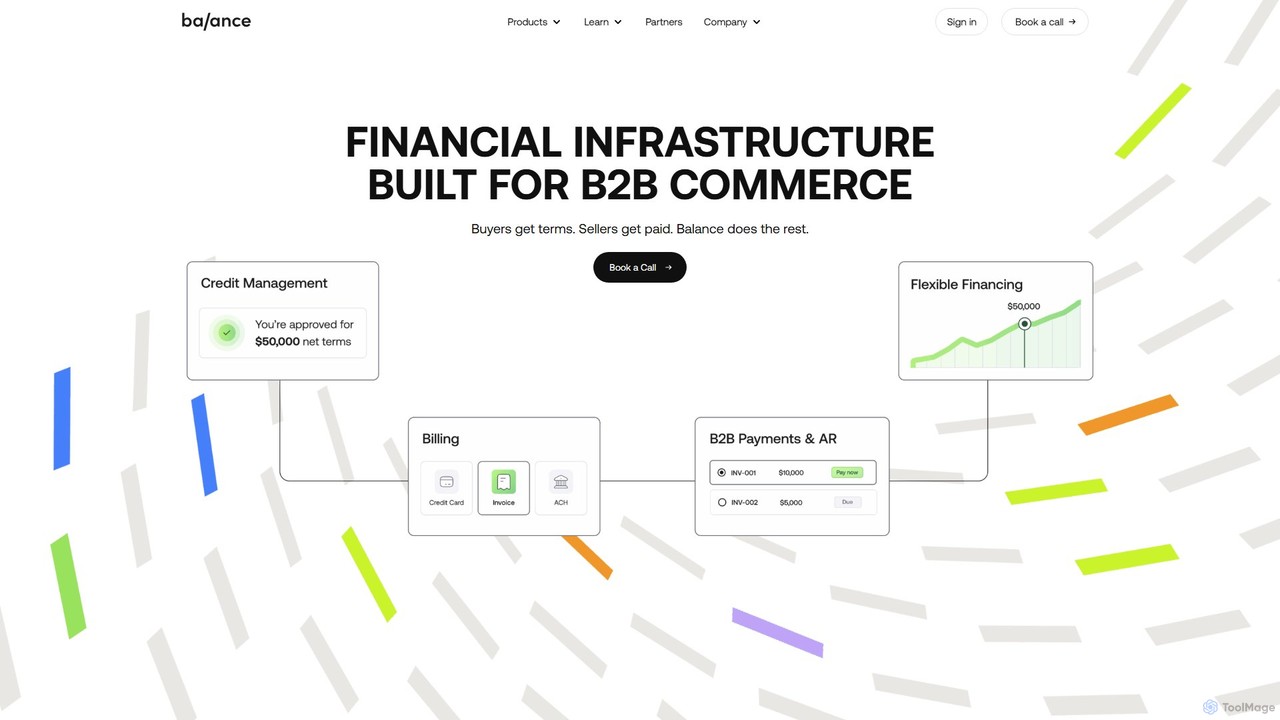
getbalance is a financial infrastructure platform designed for B2B commerce. It enables businesses to offer flexible net terms …

47.3K

About B2B

B2B AI tools are specialized solutions designed to automate and optimize the complex sales, marketing, and operational processes inherent in business-to-business ecommerce. These tools leverage machine learning, predictive analytics, and natural language processing to manage long sales cycles and high-value transactions. They provide significant value by improving lead qualification, personalizing buyer journeys for corporate accounts, and automating intricate pricing structures. This enables businesses to build stronger client relationships and scale their B2B operations efficiently.

Core Features

  • Predictive Lead Scoring: Uses AI to analyze data and identify business leads most likely to convert, allowing sales teams to prioritize efforts.
  • Automated Quote Generation: Dynamically creates complex price quotes based on volume, customer history, and contractual terms.
  • Account-Based Personalization: Tailors website content, product recommendations, and marketing messages for specific companies or industries.
  • Demand Forecasting: Analyzes historical sales data and market trends to predict future demand for products from business clients.
  • CRM & ERP Integration: Seamlessly connects with Customer Relationship Management and Enterprise Resource Planning systems for unified data management.

Use Cases

These tools are crucial for manufacturers, wholesalers, distributors, and enterprise software companies. For instance, a parts manufacturer can use AI to predict which of their distributors will need to re-stock soon. A wholesaler can offer personalized online catalogs and pricing to each of their retail partners, streamlining the bulk ordering process.

How to Choose

When selecting a B2B AI tool, prioritize its integration capabilities with your existing CRM and ERP systems. Evaluate its ability to handle complex product catalogs and custom pricing rules. Assess the platform's data security and compliance standards, as you will be handling sensitive corporate client information. Finally, consider the level of customization and scalability offered to ensure it can grow with your business needs.

B2BUse Cases

1

Automating High-Value Lead Qualification

A B2B marketing team for an enterprise software company uses an AI tool to automatically qualify inbound leads. The AI analyzes firmographic data (company size, industry, revenue) and online behavior (pages visited, content downloaded) to assign a predictive score. Leads scoring above a certain threshold are instantly routed to senior sales representatives via CRM integration, while lower-scoring leads are placed into an automated nurturing campaign. This process ensures that the sales team focuses only on the most promising opportunities, increasing conversion rates and shortening the sales cycle.

2

Generating Dynamic Bulk Pricing Quotes

A wholesale distributor uses an AI-powered quoting tool integrated into their ecommerce portal. When a retail partner logs in to place a large order, the system instantly generates a custom quote. The AI considers factors like the partner's order history, current inventory levels, contractual discounts, and real-time shipping costs. This eliminates the need for manual quoting by sales reps, reduces errors, and allows partners to get accurate pricing 24/7, significantly speeding up the procurement process for both parties.

3

Personalizing Content for Buying Committees

A B2B technology provider uses an AI personalization engine on their website. The tool identifies the company a visitor works for and their likely role based on browsing behavior. When an engineer from a target account visits, the site highlights technical specifications and case studies. If a procurement manager from the same company visits, the site emphasizes ROI calculators, pricing tiers, and security compliance information. This account-based personalization ensures that every member of the buying committee sees the most relevant information, fostering consensus and accelerating the decision-making process.

4

Optimizing B2B Inventory and Supply Chain

A manufacturer of industrial machinery uses an AI tool for demand forecasting. The system analyzes historical sales data, client reordering patterns, and external market indicators (like commodity prices) to predict future demand for specific machine parts. This allows the operations manager to optimize inventory levels, avoiding costly overstocking of slow-moving parts and preventing stockouts of critical components that could halt a client's production line. The result is a more resilient supply chain and improved customer satisfaction.

5

Automating Contract and RFP Analysis

A large construction supplier receives dozens of complex Request for Proposal (RFP) documents each week. They use an AI tool with Natural Language Processing (NLP) capabilities to automatically scan these documents. The AI extracts key information such as project deadlines, material specifications, compliance requirements, and payment terms. This data is then organized into a standardized format for the sales and legal teams to review. This automation saves hundreds of hours of manual reading, reduces the risk of missing critical requirements, and allows the company to respond to more proposals faster.

6

Powering Self-Service Corporate Portals

An IT equipment distributor creates an intelligent self-service portal for its corporate clients. Powered by AI, the portal offers more than just a product catalog. An AI chatbot handles routine support queries, from tracking shipments to providing technical documentation. The system also provides personalized reordering suggestions based on a client's past purchases and typical procurement cycles. This empowers clients to manage their accounts independently, freeing up the distributor's account managers to focus on strategic relationship-building and complex sales.

B2BFrequently Asked Questions