lycaste
Lycaste is an AI-powered personal skincare solution that uses your phone's camera to analyze your skin. It identifies …
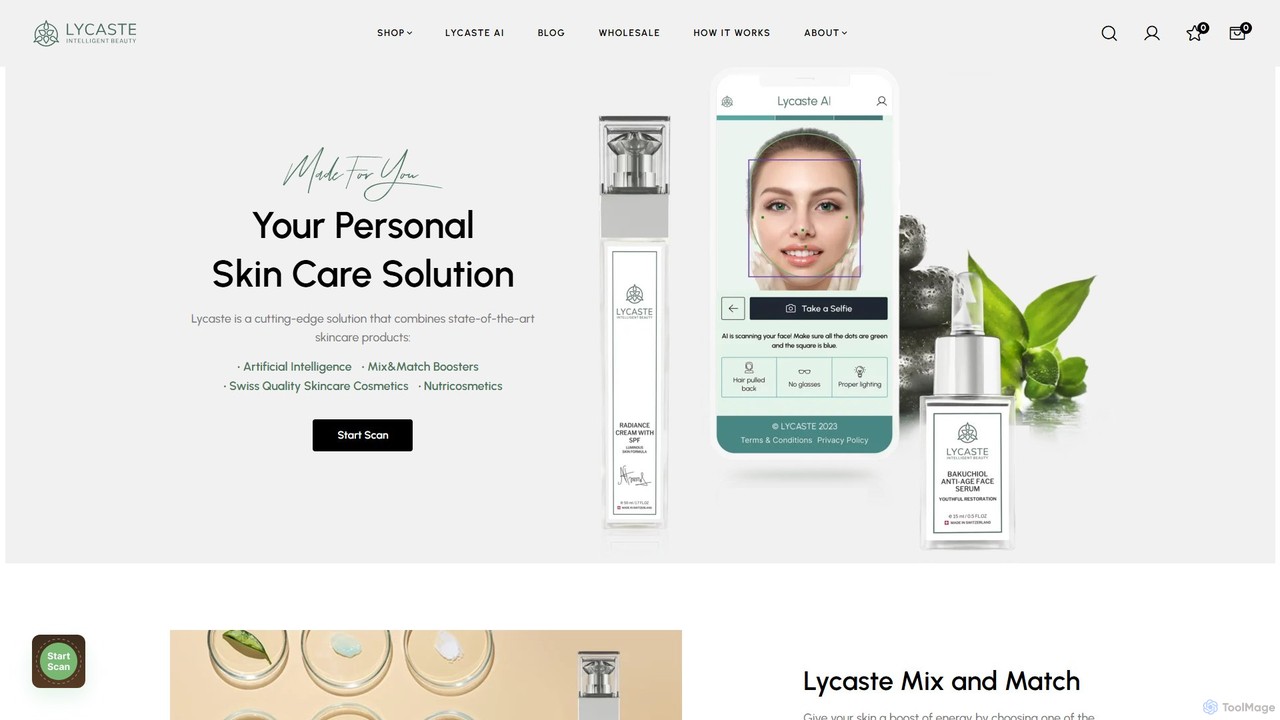
Lycaste is an AI-powered personal skincare solution that uses your phone's camera to analyze your skin. It identifies your unique skin needs and provides personalized recommendations for skincare routines and products. Combining Swiss-quality cosmetics with advanced AI, Lycaste offers tailored Mix & Match boosters and creams to address concerns like acne, wrinkles, and uneven skin tone, making professional dermatological advice accessible from home.
Clinikally
Clinikally is an AI-powered digital health platform for personalized skin and hair care. It combines an AI diagnostic …
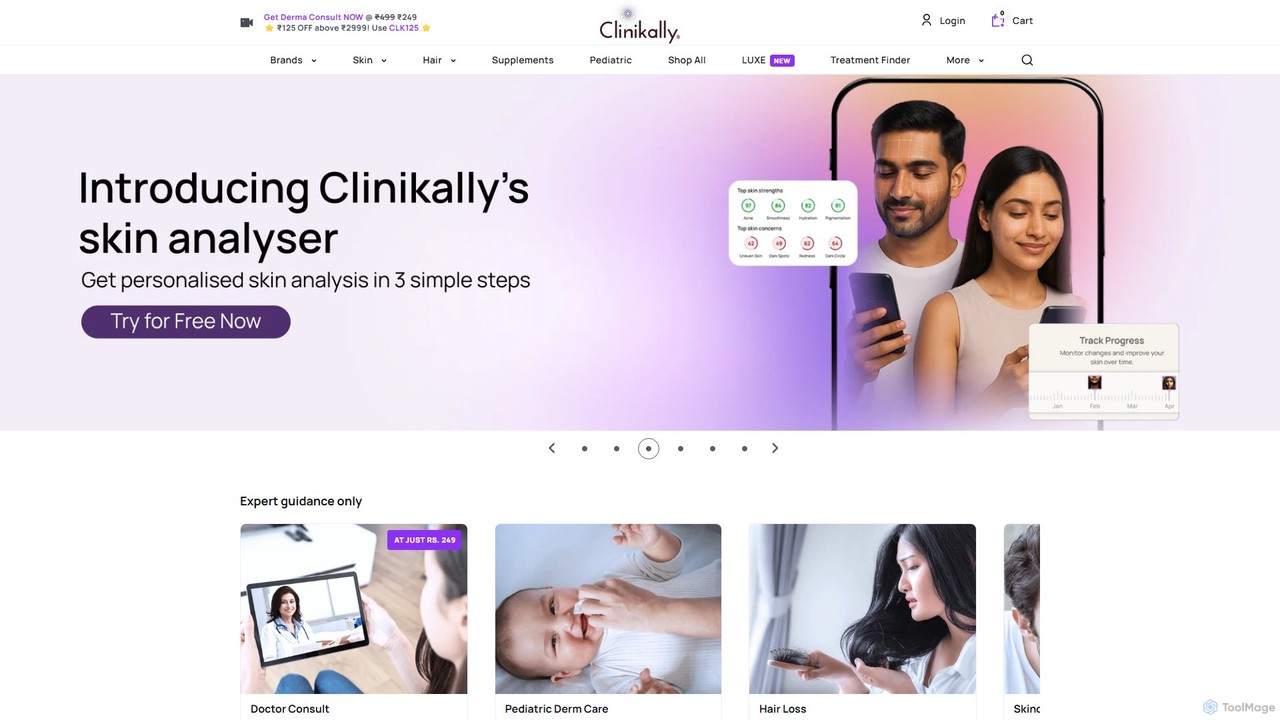
Clinikally is an AI-powered digital health platform for personalized skin and hair care. It combines an AI diagnostic tool, online consultations with top dermatologists, and a curated e-commerce store for doctor-recommended products. Users receive customized treatment plans and have products delivered to their doorstep, making expert dermatological care accessible and convenient, primarily in India.
Proven Skincare
Proven Skincare offers a hyper-personalized skincare routine powered by AI. By completing a 3-minute quiz, their Skin Genome …
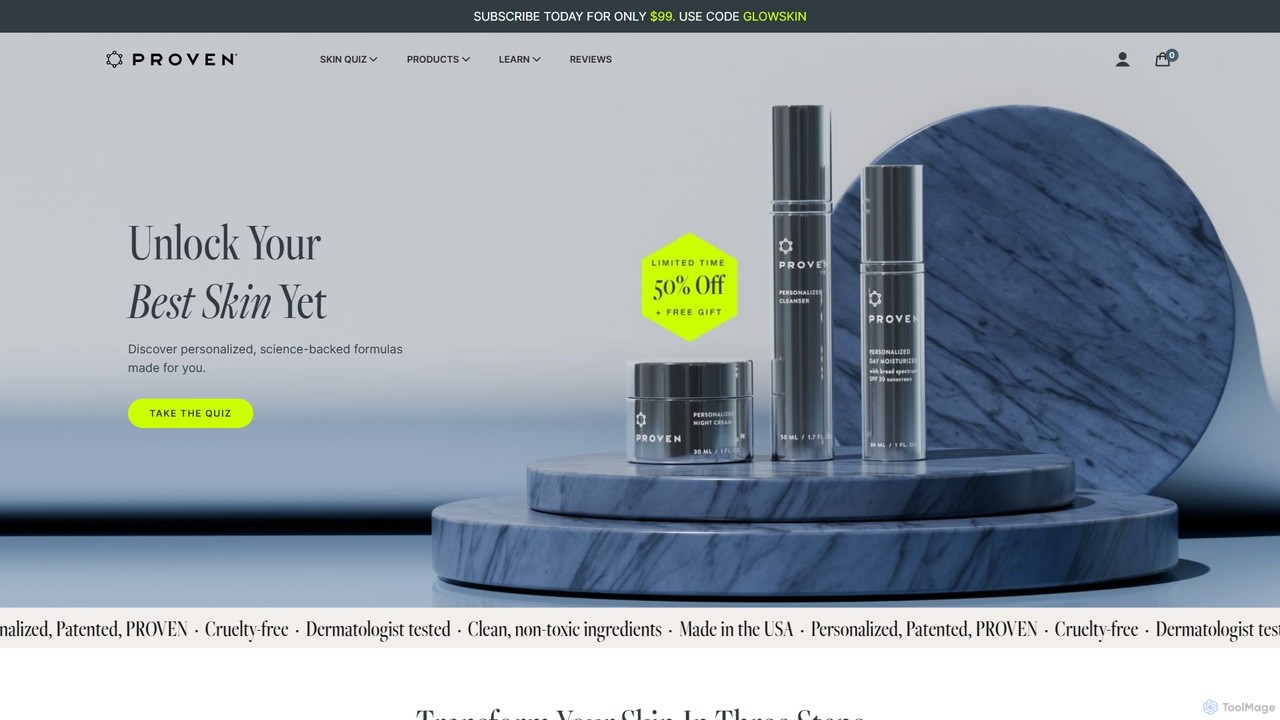
Proven Skincare offers a hyper-personalized skincare routine powered by AI. By completing a 3-minute quiz, their Skin Genome Project™ technology analyzes over 47 factors about your skin, lifestyle, and environment. It then formulates a unique 3-step system (cleanser, day cream, night cream) using clinically effective, clean, and cruelty-free ingredients, delivered directly to you.
About Beauty
AI Beauty tools are a specialized category of e-commerce solutions that use artificial intelligence to create interactive and personalized shopping experiences for cosmetics, skincare, and hair care. These tools employ computer vision and machine learning algorithms to analyze a user's facial features, skin tone, and skin condition in real-time. This enables customers to virtually try on makeup, receive personalized product recommendations, and get instant skin analysis, effectively bridging the gap between online shopping and a physical store consultation. The primary goal is to increase user engagement, build purchasing confidence, and reduce product returns.
Core Features
- Virtual Try-On (VTO): Allows users to apply makeup products like lipstick, eyeshadow, and foundation to their live video or a photo to see how it looks.
- AI Skin Analysis: Scans a user's face to identify concerns such as wrinkles, dark spots, acne, and dryness, then suggests suitable products.
- Shade Matching: Helps customers find the perfect shade of foundation or concealer by analyzing their unique skin tone.
- Personalized Recommendations: Suggests products based on the user's facial analysis, preferences, and purchase history.
- Hairstyle Simulation: Enables users to visualize different hair colors and styles on themselves before making a change.
Use Cases
AI Beauty tools are primarily used by online cosmetic retailers, global beauty brands, and direct-to-consumer (D2C) skincare companies. They are integrated into e-commerce websites and mobile apps to enhance the product discovery process. Salons and beauty clinics also use this technology in-store via smart mirrors or tablets to provide advanced consultations and improve the customer experience.
How to Choose
When selecting an AI Beauty tool, consider the accuracy and realism of the virtual try-on technology, as this directly impacts user trust. Evaluate its integration capabilities with your existing e-commerce platform (e.g., Shopify, Magento, BigCommerce). Assess the scope of its features—does it only offer makeup VTO, or does it include skin analysis and hair color simulation? Finally, review the provider's data privacy policies and ensure the user interface is intuitive and mobile-friendly.

BeautyUse Cases
Virtual Makeup Try-On for an Online Store
An e-commerce manager for a cosmetics brand integrates a Virtual Try-On (VTO) tool into their product pages. When a customer browses lipstick shades, they can click a 'Try On' button. Using their device's camera, the tool accurately maps the lipstick color onto their lips in real-time. The customer can swipe through dozens of shades in seconds without needing physical samples. This interactive experience increases engagement, boosts conversion rates by helping customers feel confident in their color choice, and significantly reduces returns due to shade mismatch.
AI-Powered Skincare Routine Recommendation
A direct-to-consumer skincare brand uses an AI Skin Analysis tool on its website. A new visitor is prompted to take a selfie. The AI analyzes the photo for concerns like acne, dark spots, hydration levels, and fine lines. Based on this analysis, the tool instantly generates a personalized skincare routine, recommending a specific cleanser, serum, and moisturizer from the brand's product line. This provides immediate value to the customer, educates them about their skin needs, and guides them directly to the most relevant products, increasing the average order value.
Foundation Shade Finder for Diverse Skin Tones
A global beauty brand aims to improve inclusivity and reduce returns for its foundation line. They implement an AI Shade Finder on their website. Customers use their phone camera to scan their face under natural light. The AI algorithm analyzes the skin's undertones and overtone to recommend the top 2-3 foundation shades with the highest probability of a perfect match. This tool is especially valuable for customers who struggle to find their shade online, building brand loyalty and drastically cutting down on costly returns and customer dissatisfaction.
Personalized Hairstyle and Color Simulation
A hair care brand or a salon chain offers an AI tool for hairstyle simulation. Users upload a photo or use a live camera feed. They can then experiment with dozens of different haircuts, styles, and a full spectrum of hair colors. The AI realistically renders the new look, taking into account the user's face shape and existing hair. This helps customers make bold decisions with confidence, whether they are buying a new hair dye online or booking a specific service at a salon. It serves as a powerful marketing tool to showcase possibilities and drive sales of hair color products or salon appointments.
AI-Driven Beauty Content Creation
A beauty influencer or a social media manager for a cosmetics brand uses an AI tool to generate new makeup look ideas. By inputting parameters like 'smoky eye for a summer festival' or 'bold lip for a formal event,' the AI generates multiple visual concepts. This helps overcome creative blocks and speeds up the content creation process. The influencer can then recreate the AI-generated look, producing unique and trendy content for platforms like Instagram or TikTok, keeping their audience engaged and showcasing the versatility of the brand's products.
In-Store Smart Mirror Experience
A high-end department store installs AI-powered smart mirrors in its beauty section. A shopper can stand in front of the mirror, and through augmented reality, instantly try on hundreds of products from various brands without any physical application. The mirror can also suggest complementary products, creating a full look. This provides a hygienic, touchless, and efficient shopping experience. It allows customers to experiment freely, encourages them to try more products than they normally would, and provides the store with valuable data on which products are most popular among testers.