Ecommerce Best in category 6 results Chatbot AI Tool

Popular AI tools in the Chatbot field of Ecommerce include Rep AI、Manifest AI、VanChat、AskTimmy、Askflow、Intellecta, etc., helping you quickly improve efficiency.

Intellecta

Intellecta

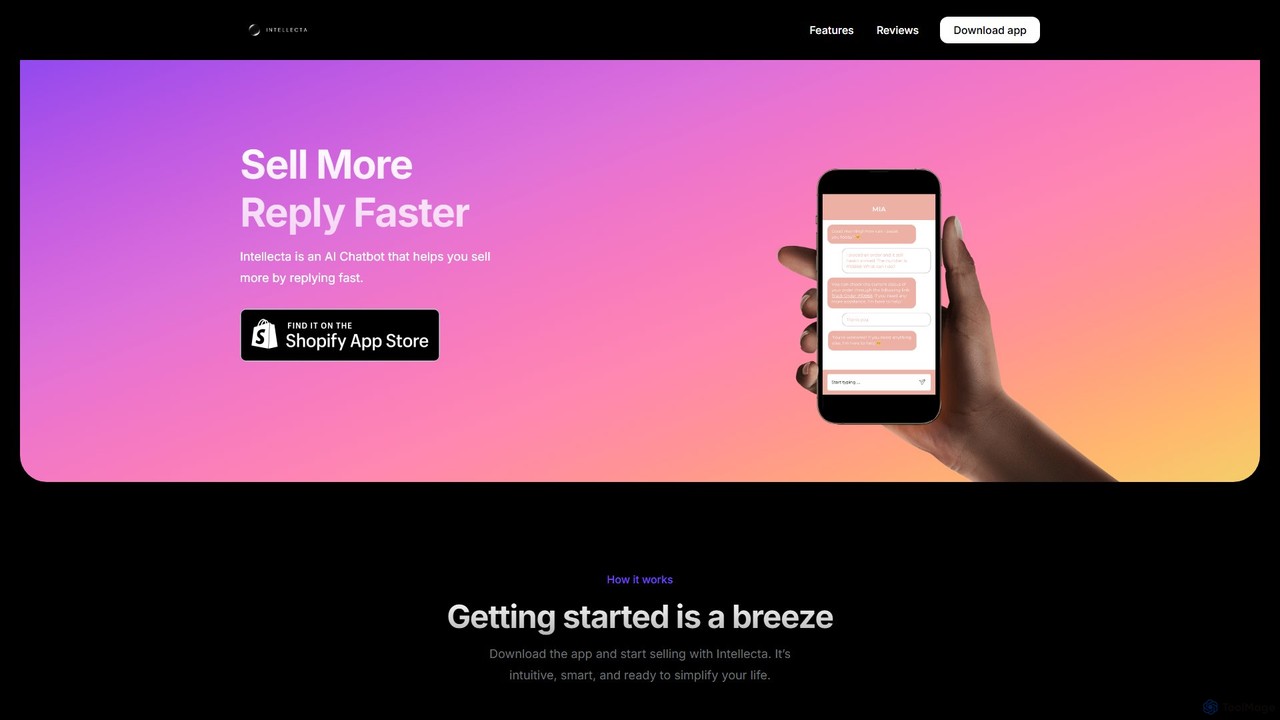
Intellecta is an AI-powered chatbot designed for Shopify stores to boost sales and enhance customer service. It engages …

2.6K
AskTimmy

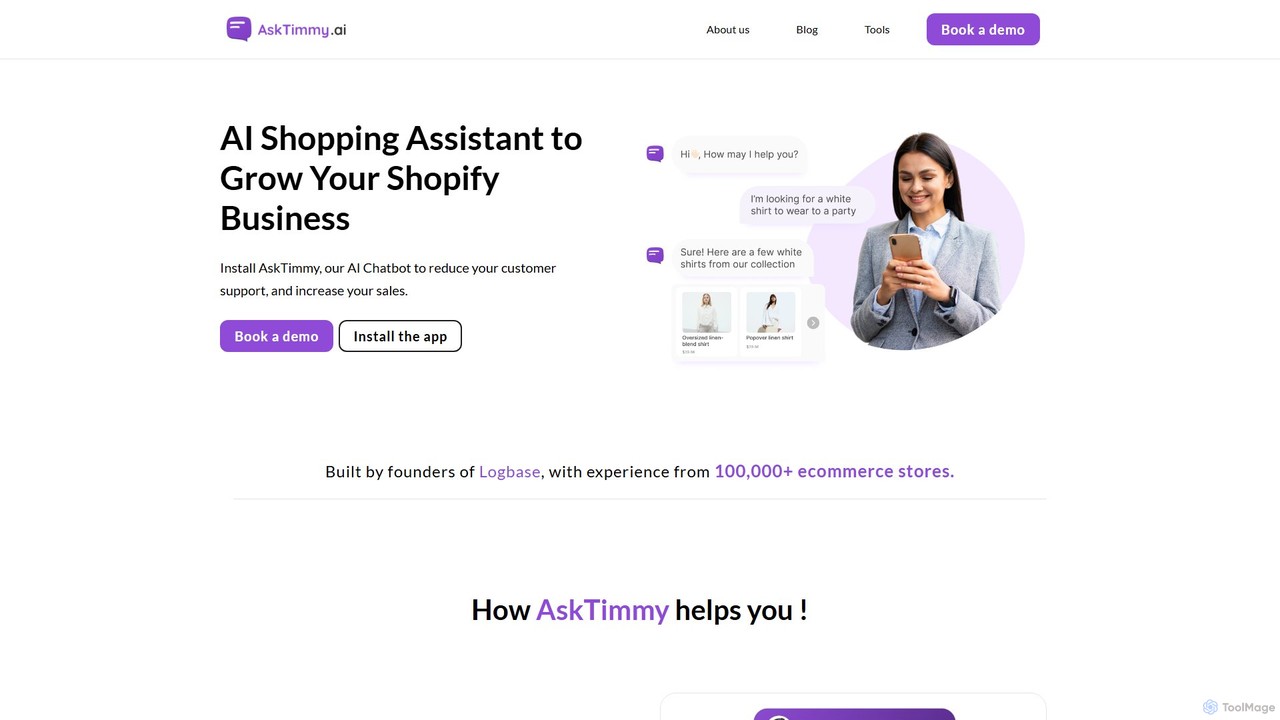
AskTimmy

AskTimmy is an AI-powered shopping assistant for Shopify stores, designed to boost sales and automate customer support. It …

4.7K
Rep AI

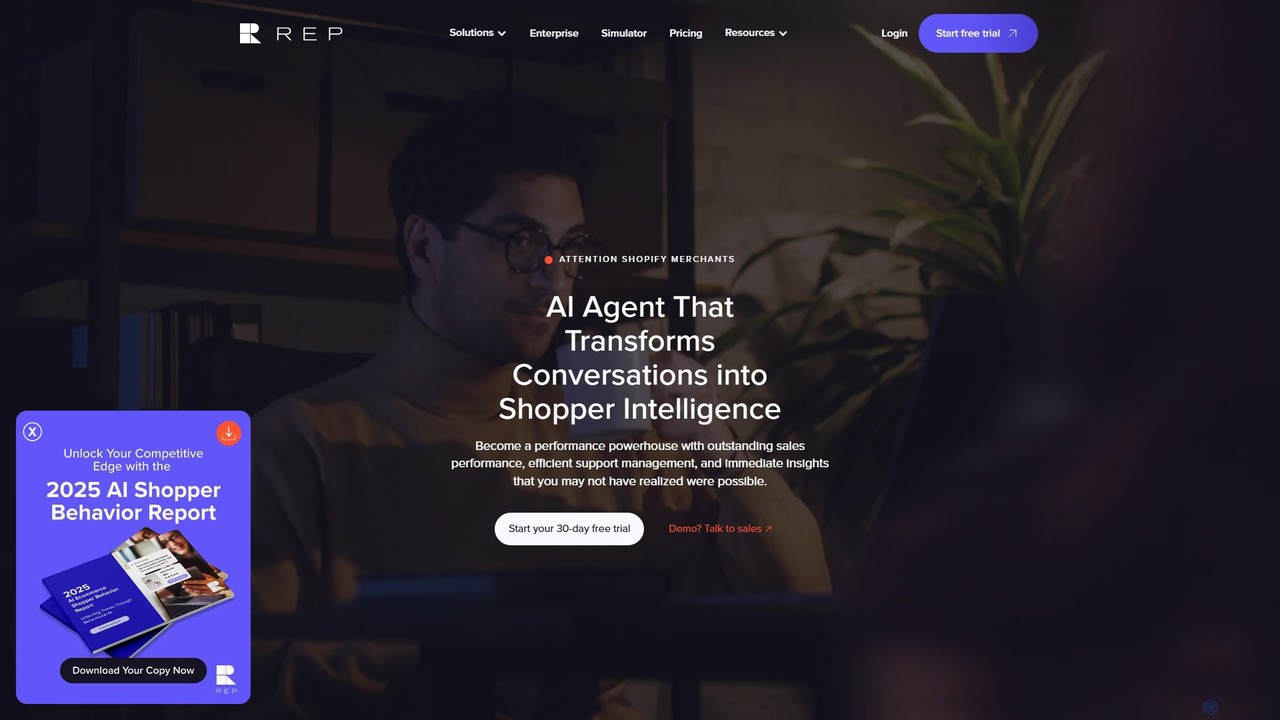
Rep AI

Rep AI is an advanced AI-powered sales and support chatbot designed for Shopify e-commerce stores. It acts as …

38.2K
Manifest AI

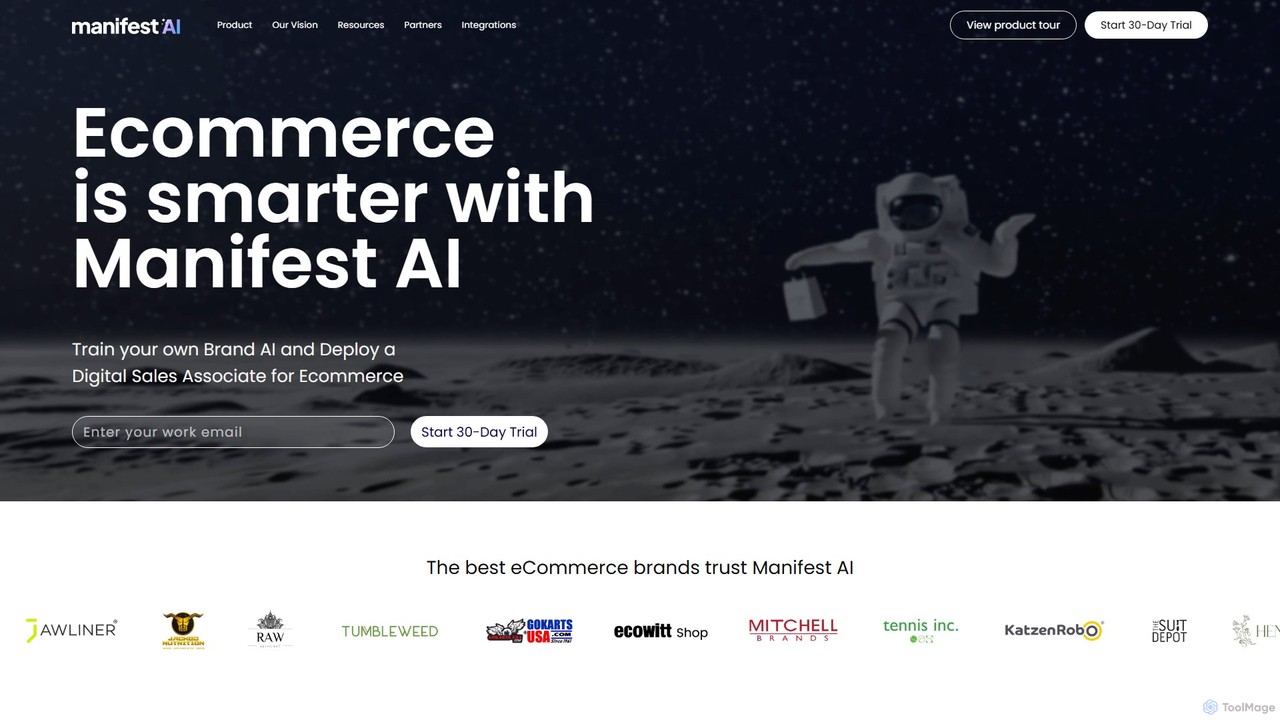
Manifest AI

Manifest AI is an advanced AI shopping assistant for eCommerce brands. It acts as a digital sales associate, …

28.4K
VanChat

VanChat

VanChat is an AI-powered shopping assistant for Shopify stores, designed to boost sales and enhance customer experience. It …

26.1K
Askflow

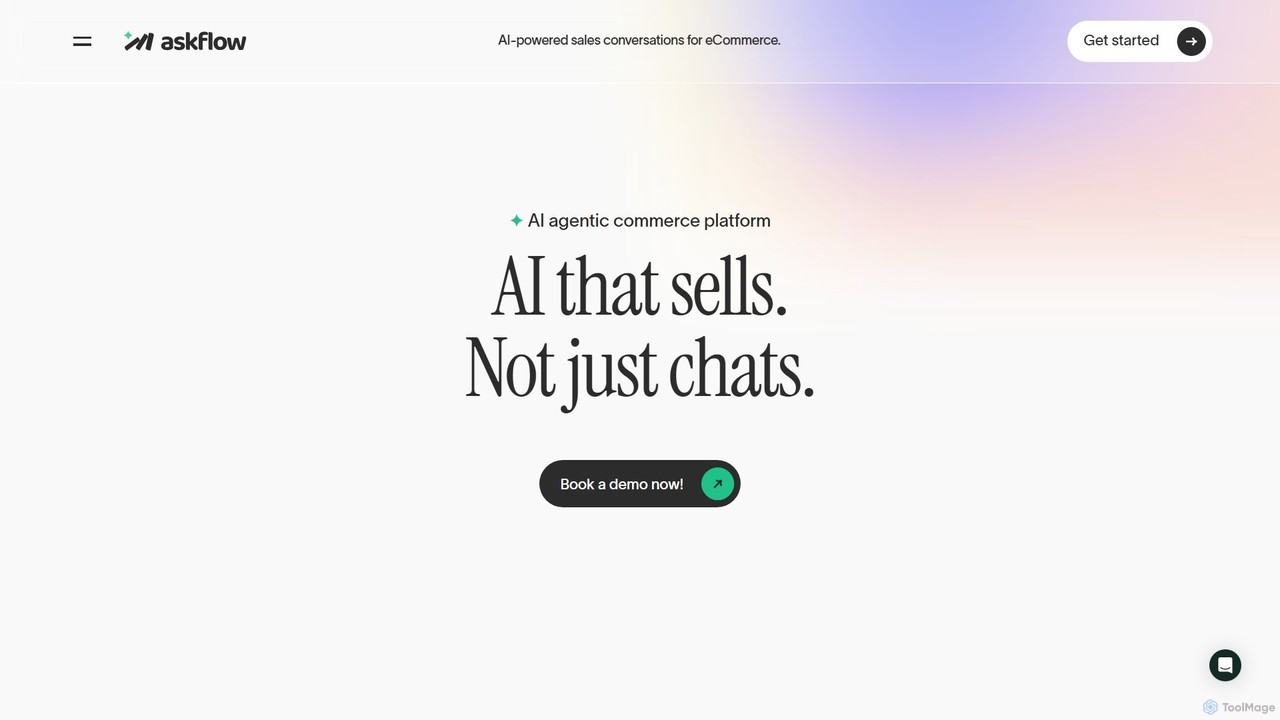
Askflow

Askflow is an AI-powered agentic commerce platform designed for eCommerce businesses. It uses intelligent chatbots to deliver personalized …

4.2K

About Chatbot

Chatbots for Ecommerce are AI-powered conversational agents designed to automate and enhance customer interactions on online stores. These tools leverage Natural Language Processing (NLP) to understand user queries and provide instant, 24/7 support, guidance, and sales assistance. They are primarily used to improve customer experience, increase conversion rates, and streamline support operations without constant human intervention. By integrating directly with ecommerce platforms, they can access product catalogs and order information to offer personalized interactions.

Core Features

  • Automated Order Tracking: Allows customers to check their order status, shipping details, and delivery estimates directly within the chat interface.
  • Personalized Product Recommendations: Analyzes user behavior and queries to suggest relevant products, acting as a virtual shopping assistant.
  • Lead Generation & Qualification: Captures visitor information like emails and phone numbers, and qualifies leads by asking targeted questions.
  • Cart Abandonment Recovery: Proactively engages users who have items in their cart but are inactive or attempting to leave the site, often with a discount offer.
  • 24/7 FAQ & Support Automation: Instantly answers common customer questions about shipping, returns, product details, and store policies.

Use Cases

Ecommerce chatbots are essential for online retailers of all sizes, from small Shopify stores to large multinational ecommerce platforms. They are used by customer support teams to reduce ticket volume, by marketing teams to capture leads and run promotional campaigns, and by sales teams to guide customers through the purchasing funnel. Common scenarios include handling post-purchase inquiries, upselling related products, and collecting customer feedback.

How to Choose

When selecting an ecommerce chatbot, consider its integration capabilities with your platform (e.g., Shopify, WooCommerce, Magento). Evaluate the sophistication of its AI and NLP for handling complex queries versus simple rule-based flows. Assess its customization options for branding and conversation design. Finally, review the analytics and reporting features to measure performance, such as conversion rates, lead captures, and customer satisfaction scores.

ChatbotUse Cases

1

Automate 24/7 Customer Support

An online fashion retailer uses an ecommerce chatbot to handle common customer inquiries around the clock. The chatbot is trained on the store's FAQ, including questions about shipping policies, return procedures, and sizing guides. When a customer asks 'Where is my order?', the bot integrates with the order management system to provide real-time tracking information. This frees up human agents to focus on complex issues, reducing response times and improving customer satisfaction, especially for international customers in different time zones.

2

Provide Personalized Product Recommendations

A cosmetics brand implements a chatbot on its website to act as a virtual beauty advisor. The chatbot starts by asking the user about their skin type, concerns (e.g., acne, dryness), and product preferences. Based on the answers, it queries the product database and recommends a personalized skincare routine, complete with product links. This guided selling approach helps customers discover the right products, mimicking an in-store consultation and significantly boosting the average order value and conversion rate.

3

Recover Abandoned Shopping Carts

An electronics store configures its chatbot to detect when a user with items in their cart is about to exit the website. The chatbot triggers a pop-up message asking, 'Leaving so soon? We can offer you a 10% discount to complete your purchase now.' This proactive intervention recaptures the user's attention and provides a direct incentive to finalize the transaction. The bot can also answer last-minute questions about warranty or shipping that might be causing hesitation, effectively reducing cart abandonment rates by 15-20%.

4

Capture and Qualify Sales Leads

A B2B ecommerce site selling office equipment uses a chatbot to engage visitors. Instead of a static contact form, the chatbot initiates a conversation, asking about the visitor's company size, needs, and budget. It qualifies the lead in real-time and, if the criteria are met, offers to schedule a demo with a sales representative directly through an integrated calendar. This automates the top of the sales funnel, ensuring that the sales team only spends time on high-quality, pre-qualified leads, increasing their efficiency.

5

Collect Post-Purchase Feedback and Reviews

A home goods store uses a chatbot to automate its feedback collection process. A week after an order is delivered, the chatbot sends a message to the customer via a messaging app or on-site pop-up, asking about their satisfaction with the product and delivery experience. It can ask for a rating from 1-5 and collect qualitative feedback. If the customer is satisfied, the bot can then prompt them to leave a public review on a product page, directly providing the link. This streamlines the review generation process and gathers valuable customer insights.

6

Announce Promotions and New Arrivals

A subscription box service uses its website chatbot to engage returning visitors. When a known user lands on the homepage, the chatbot greets them by name and presents a special offer, such as 'Welcome back, Alex! Our new seasonal box just dropped. Would you like a sneak peek and a 15% off coupon?' This proactive and personalized marketing message drives engagement, informs customers about new products, and encourages repeat purchases more effectively than a static banner ad.

ChatbotFrequently Asked Questions