Ecommerce Best in category 3 results Ai Assistant AI Tool

Popular AI tools in the Ai Assistant field of Ecommerce include instastack、Zerly、cartbuddygpt, etc., helping you quickly improve efficiency.

Zerly

Zerly

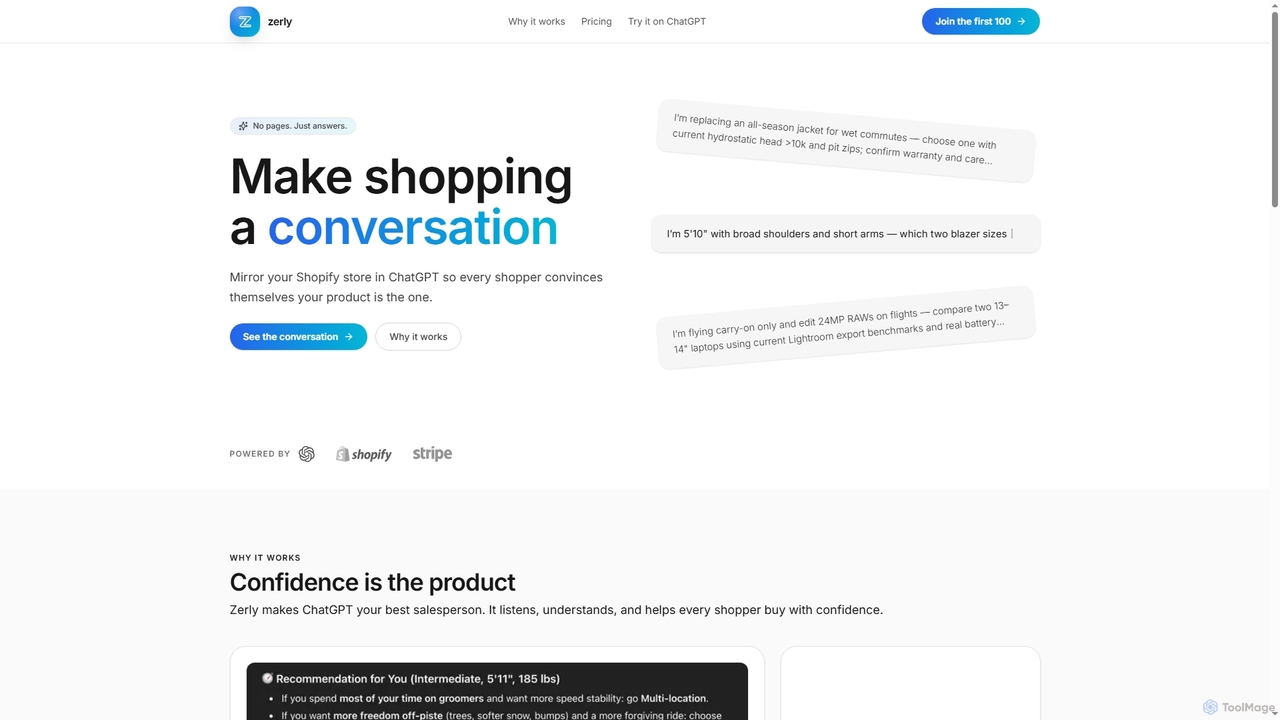
Zerly transforms e-commerce by mirroring your Shopify store within ChatGPT, turning shopping into a natural conversation. It acts …

1.8K
instastack

instastack

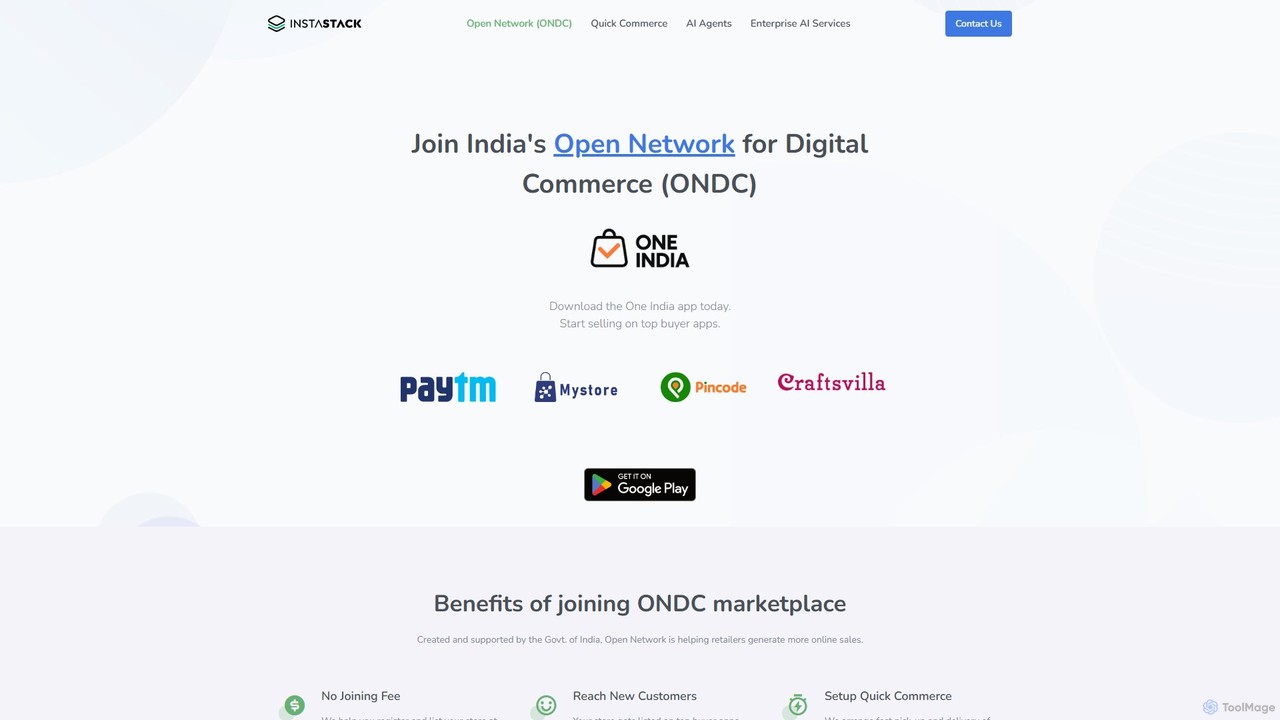
instastack is an AI-powered platform for e-commerce and enterprise solutions, specializing in AI shopping assistants for WhatsApp, quick …

2.7K
cartbuddygpt

cartbuddygpt

cartbuddygpt is an AI-powered e-commerce assistant designed to help online store owners boost sales and streamline operations. It …

1.8K

About Ai Assistant

AI Assistants for Ecommerce are specialized conversational AI tools designed to automate and enhance customer interactions on online stores. They leverage Natural Language Processing (NLP) and machine learning to understand customer queries, provide instant support, and guide users through their shopping journey. These assistants integrate directly with ecommerce platforms to access product catalogs, order information, and customer data, enabling personalized and efficient service 24/7. This automation helps increase sales conversions, improve customer satisfaction, and reduce the workload on human support teams.

Core Features

  • Personalized Product Recommendations: Analyzes user behavior and queries to suggest relevant products, mimicking an in-store sales associate.
  • Automated Order Management: Provides real-time updates on order status, tracking information, and handles return or exchange requests.
  • 24/7 Customer Support: Instantly answers frequently asked questions about shipping, policies, and product details at any time.
  • Lead Generation & Cart Recovery: Engages users who abandon their carts, offers assistance or incentives, and captures leads outside of business hours.
  • Seamless Platform Integration: Connects directly with major ecommerce platforms like Shopify, WooCommerce, and Magento for data synchronization.

Use Cases

These tools are primarily used by online retailers, direct-to-consumer (D2C) brands, and marketplace sellers. They are deployed on websites and messaging apps to act as a first line of support, a virtual shopping guide, and an automated sales agent. For example, a fashion brand can use an AI assistant to help customers find the right size, while an electronics store can use it to answer technical specifications questions.

How to Choose

When selecting an AI Assistant for ecommerce, consider its integration capabilities with your specific platform. Evaluate the level of customization available for conversation flows and branding. Assess its multilingual support if you sell internationally. Finally, review the analytics and reporting features to measure its impact on sales, customer satisfaction, and support ticket reduction.

Ai AssistantUse Cases

1

Automate Order Status Inquiries 24/7

An ecommerce store manager for a growing D2C brand is overwhelmed with repetitive customer questions like 'Where is my order?'. By implementing an AI Assistant integrated with their Shopify store, they automate this entire process. When a customer asks about their order via the website chat, the assistant instantly authenticates the user, retrieves the real-time shipping status from the carrier's API, and provides a direct link for tracking. This frees up the support team to handle complex issues and ensures customers receive immediate answers anytime, significantly improving satisfaction.

2

Provide Personalized Product Recommendations

A marketing lead at an online cosmetics store wants to increase the average order value. They use an AI Assistant to act as a virtual beauty consultant. When a visitor asks, 'What foundation is best for oily skin?', the assistant doesn't just list products. It asks follow-up questions about desired coverage and finish, then accesses the product catalog to recommend 2-3 top-rated foundations. It also suggests a complementary primer and setting spray, effectively upselling and creating a personalized shopping experience that drives higher sales.

3

Recover Abandoned Carts Proactively

An online furniture retailer notices a high cart abandonment rate, especially for high-ticket items. They configure their AI Assistant to trigger a chat message when a user shows exit intent on the checkout page. The assistant proactively asks, 'Do you have any questions about shipping or our return policy before you complete your purchase?'. This simple intervention often uncovers last-minute concerns. The assistant can instantly provide policy details or even offer a one-time free shipping code, successfully recovering a significant percentage of potentially lost sales.

4

Qualify Leads for B2B Ecommerce Sales

A B2B ecommerce site selling specialized equipment needs to qualify visitors before passing them to the sales team. Their AI Assistant engages visitors by asking about their industry, company size, and specific needs. Based on the responses, the assistant can determine if the lead is a good fit. For qualified leads, it automatically books a demo with a sales representative via an integrated calendar. For unqualified visitors, it provides helpful resources like whitepapers or case studies, ensuring every visitor has a productive interaction while saving the sales team's time.

5

Streamline Product Return and Exchange Processes

A customer service manager for an online apparel store finds that handling returns is a major time sink for their team. They deploy an AI Assistant to manage the initial stages of this process. A customer wishing to make a return can start a conversation with the assistant, which verifies the order number and eligibility based on the store's return policy. It then guides the customer through the necessary steps, generates a pre-paid shipping label, and answers common questions, such as 'How long will my refund take?'. This automation reduces manual processing time by over 60%.

6

Gather Customer Feedback and Insights

A product manager for an electronics brand wants to collect real-world feedback after a new product launch. Instead of relying solely on email surveys with low response rates, they use their site's AI Assistant. After a customer completes a purchase or asks a support question about the new product, the assistant can trigger a short, conversational survey. It asks questions like 'On a scale of 1-5, how would you rate your experience?' and 'What is one feature you wish it had?'. This method captures in-the-moment feedback, leading to higher engagement and providing valuable, actionable insights for future product development.

Ai AssistantFrequently Asked Questions