Ecommerce Best in category 8 results Advertising AI Tool

Popular AI tools in the Advertising field of Ecommerce include Scale Insights、Adspo、Incremental、vapa、Order Legend、Autron、VidAU AI, etc., helping you quickly improve efficiency.

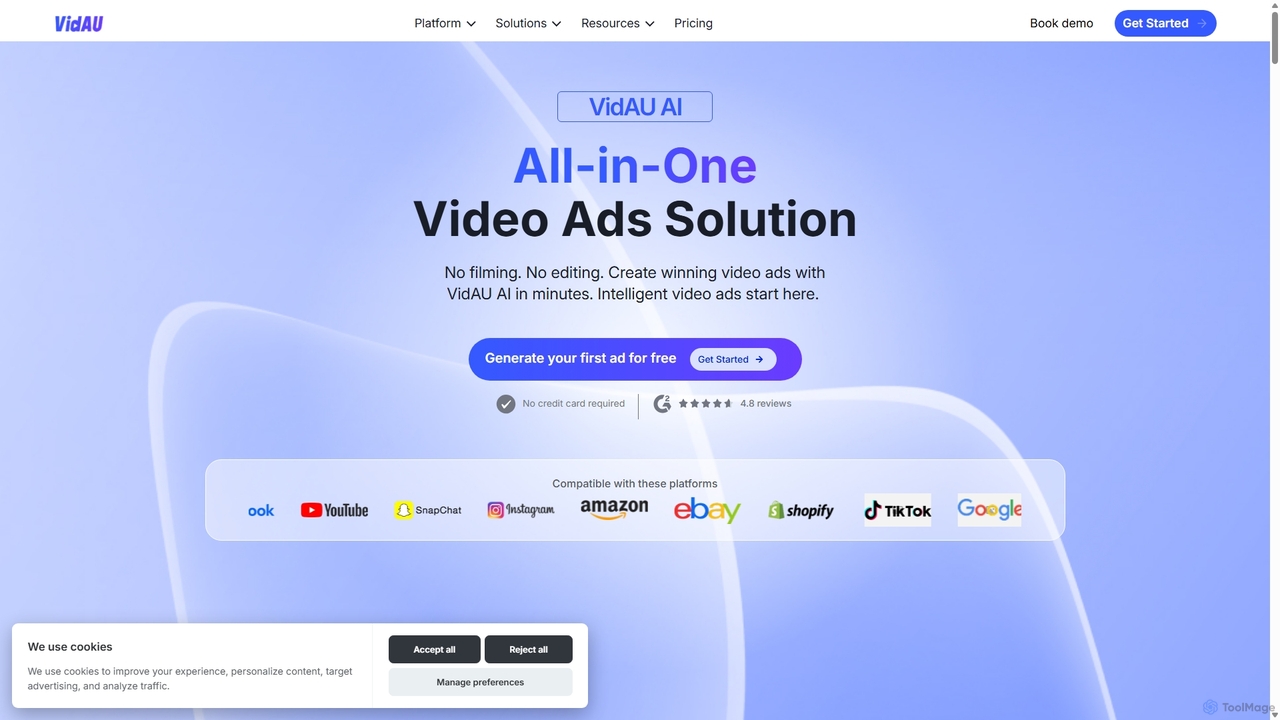
VidAU AI

VidAU AI

VidAU AI is an all-in-one AI video platform designed for performance marketers, e-commerce brands, and agencies. It enables …

3.1K
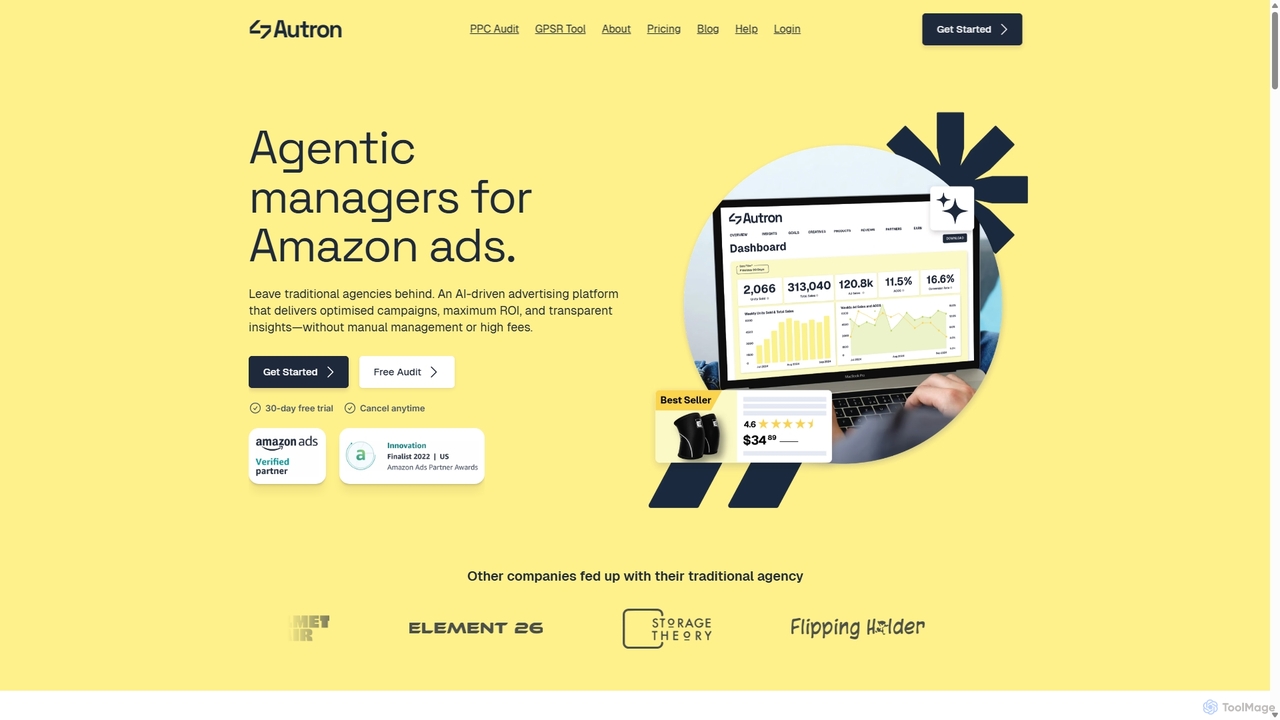
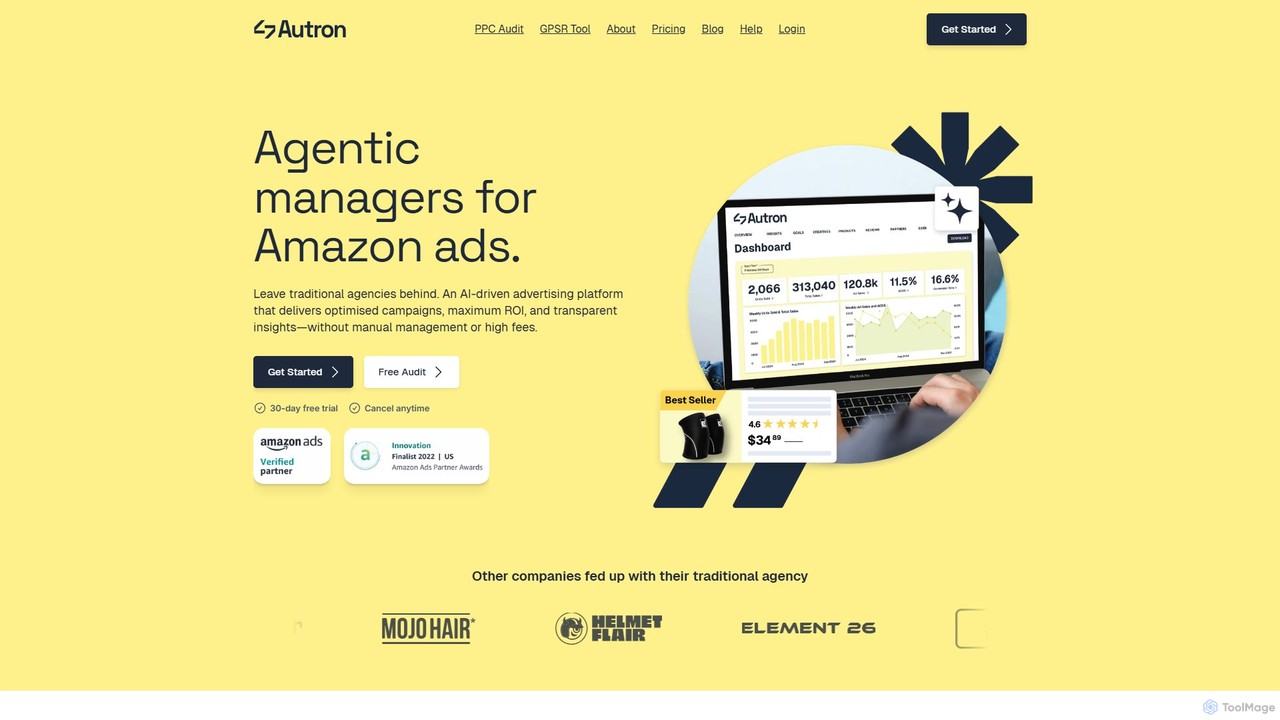
Autron

Autron

Autron is an AI-driven advertising platform that acts as an agentic manager for Amazon Ads. It automates and …

2.9K
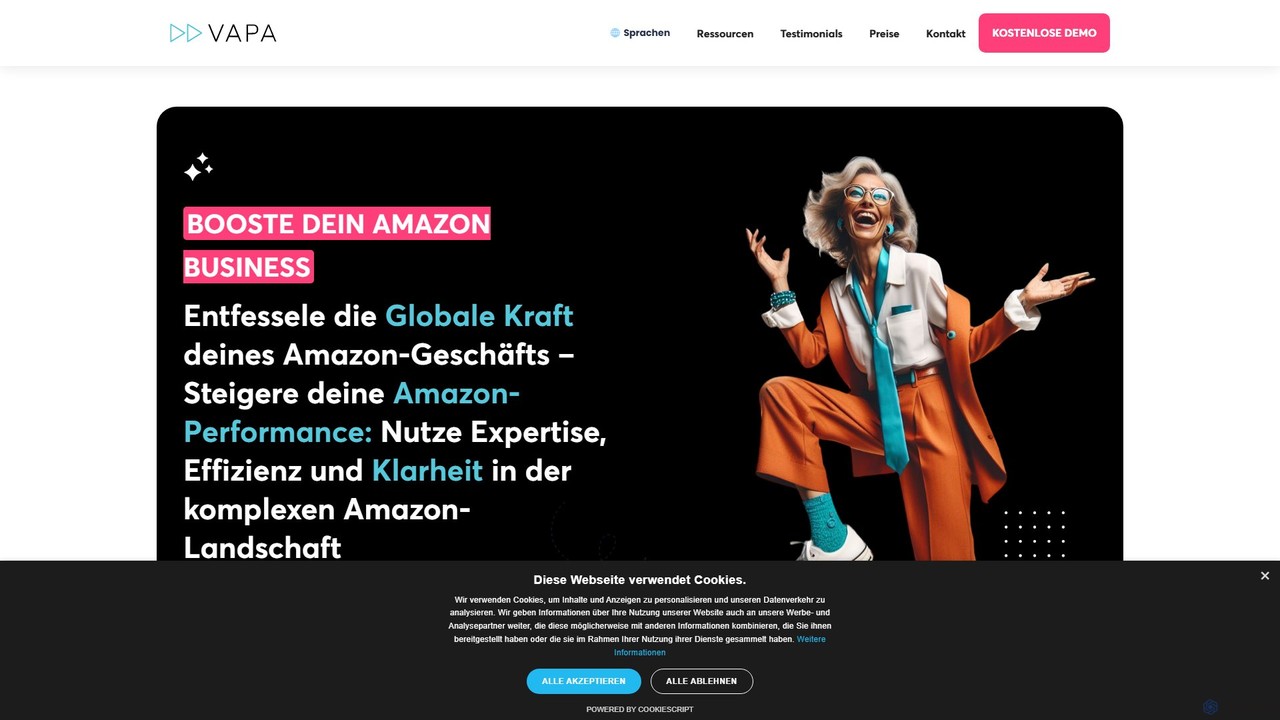
vapa

vapa

vapa is an AI-powered Amazon PPC tool that fully automates advertising campaigns. It uses machine learning to optimize …

6.9K
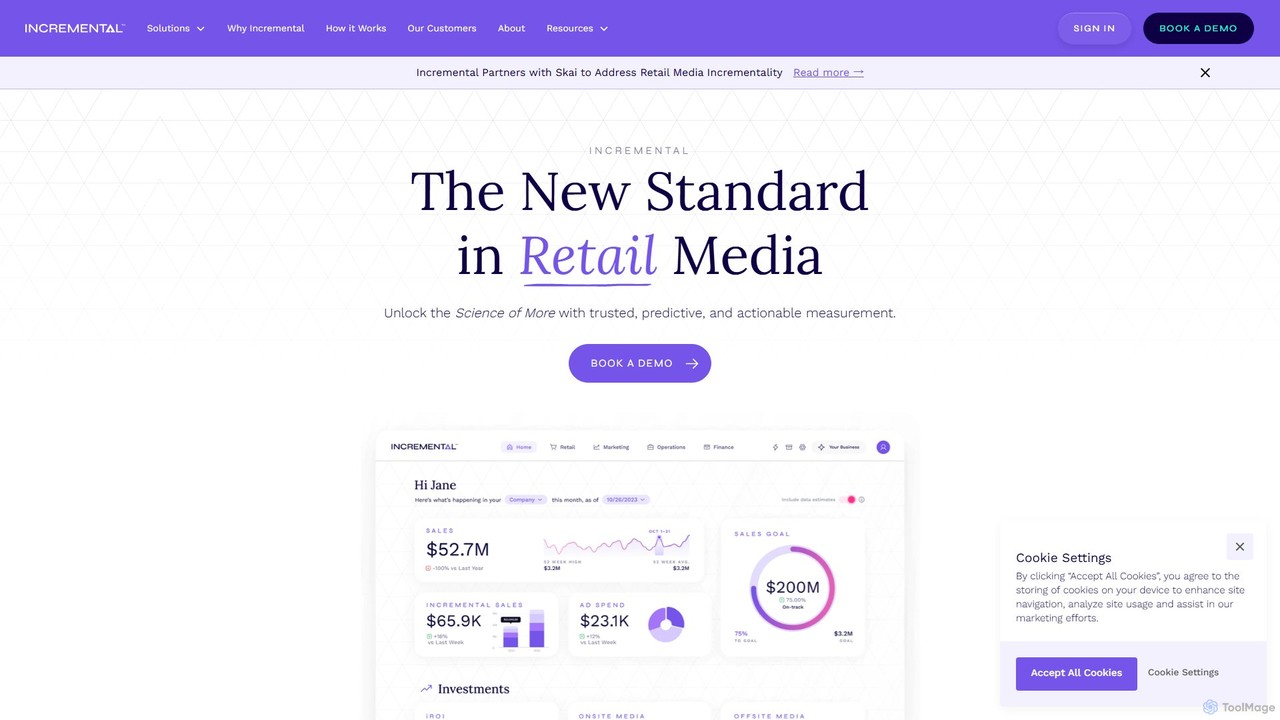
Incremental

Incremental

Incremental is a specialized measurement and optimization platform designed for retail media. It moves beyond traditional ROAS by …

12.7K
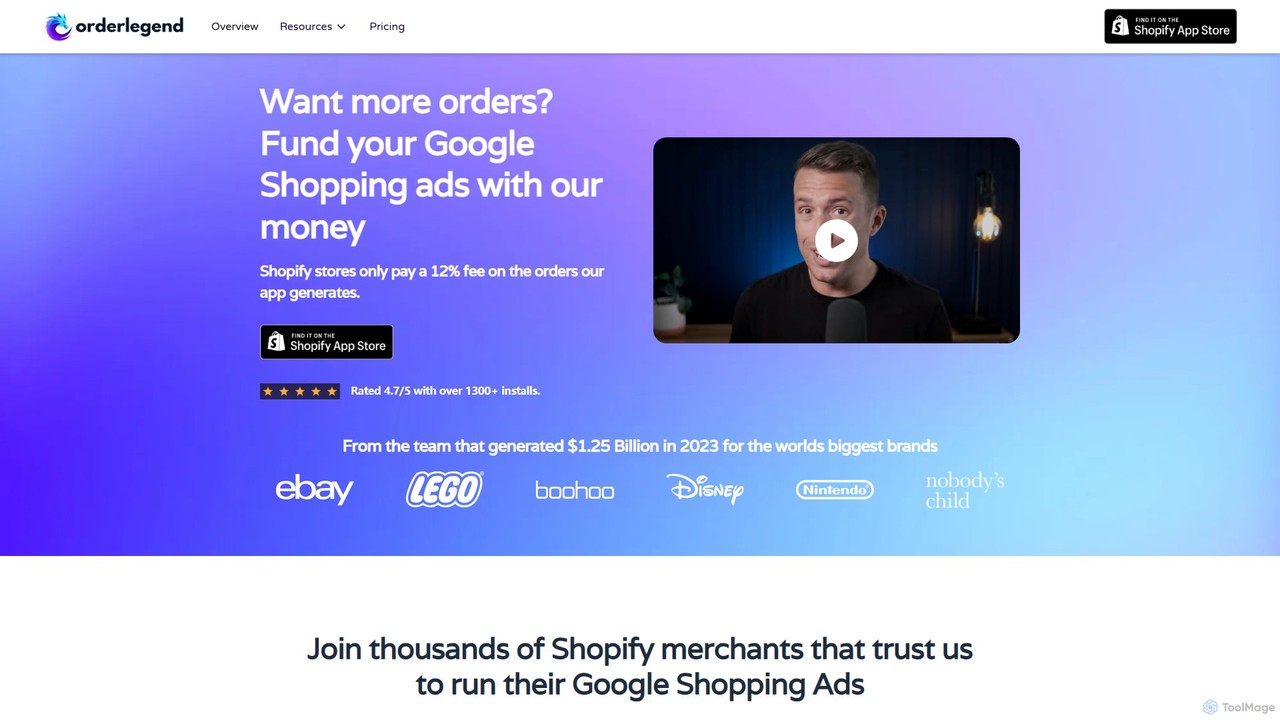
Order Legend

Order Legend

Order Legend is an AI-powered Shopify app that fully automates and optimizes Google Shopping ad campaigns. It operates …

6.5K
Scale Insights

Scale Insights

Scale Insights is an AI-powered Amazon PPC automation and analytics platform designed for e-commerce sellers. It provides granular …

142.3K
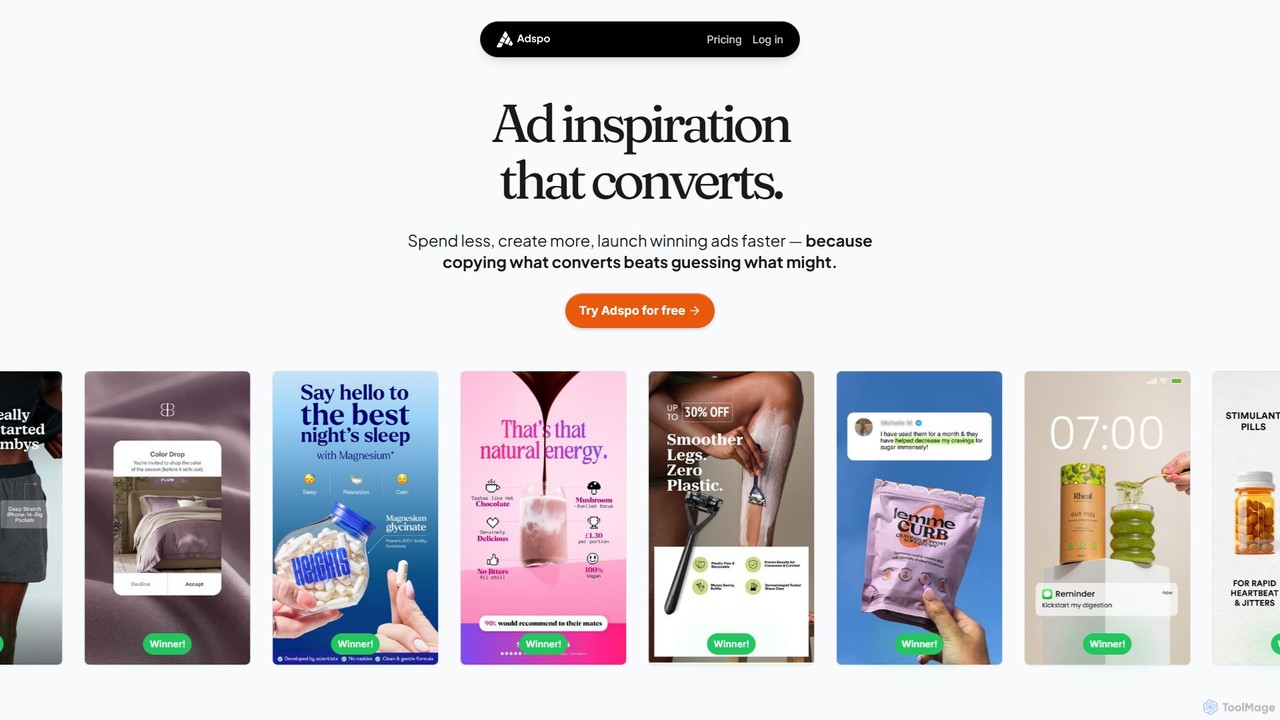
Adspo

Adspo

Adspo is a powerful ad spy and inspiration platform that provides a daily-updated library of high-converting ads. It …

23.7K
Autron

Autron

Autron is an AI-driven advertising platform that provides agentic managers for Amazon ads. It automates and optimizes PPC …

5.4K

About Advertising

AI Advertising tools are specialized platforms that leverage artificial intelligence to optimize and automate various aspects of digital advertising campaigns. These tools analyze vast datasets to identify target audiences, generate compelling ad creatives, manage bidding strategies, and provide deep performance insights. For ecommerce businesses, AI advertising is crucial for maximizing return on ad spend, enhancing personalization, and scaling marketing efforts efficiently.

Core Features

  • Audience Targeting & Segmentation: AI analyzes demographic, behavioral, and transactional data to pinpoint and segment ideal customer groups for precise ad delivery.
  • Ad Creative Optimization: Generates and tests variations of ad copy, headlines, images, and videos to identify the most effective combinations for different audiences.
  • Automated Bid Management: Dynamically adjusts bids in real-time across platforms (e.g., Google Ads, Meta Ads) to achieve optimal cost-per-acquisition or return on ad spend.
  • Performance Analytics & Reporting: Provides comprehensive, data-driven insights into campaign effectiveness, highlighting trends and areas for improvement.
  • Personalized Ad Delivery: Tailors ad content and offers to individual user preferences and past interactions, increasing relevance and conversion rates.

Applicable Scenarios

Ecommerce brands utilize AI advertising tools to launch new product lines with targeted campaigns, ensuring their ads reach the most receptive customers. Digital marketing agencies employ these tools to manage and optimize multiple client campaigns simultaneously, delivering superior results and detailed performance reports. Small businesses with limited marketing resources can leverage AI to automate complex optimization tasks, making sophisticated advertising accessible and effective.

How to Choose

When selecting an AI advertising tool, consider its integration capabilities with your existing ad platforms and CRM systems. Evaluate the specific feature set, such as creative generation, bid optimization, or advanced analytics, based on your primary needs. Assess the tool's scalability to ensure it can handle your growing campaign volumes and data complexity. Finally, look for user-friendly interfaces and robust support to ensure ease of adoption and effective utilization by your marketing team.

AdvertisingUse Cases

1

Automated Ad Creative Generation for Product Launches

Ecommerce marketers leverage AI advertising tools to rapidly generate hundreds of ad copy and image variations for new product launches. By inputting product details and target audience characteristics, the AI can produce diverse creatives, allowing marketers to quickly A/B test different messages and visuals across platforms like Meta and Google, identifying the most effective combinations to drive initial sales and brand awareness efficiently.

2

Real-time Bid Optimization for Seasonal Sales

Online retailers leverage AI advertising tools to dynamically adjust ad bids during peak shopping seasons, such as Black Friday or holiday sales. The AI continuously monitors competitor bids, consumer demand fluctuations, and conversion rates, automatically optimizing bids across various ad networks. This ensures that ad spend is allocated most effectively, maximizing visibility for high-demand products and achieving the highest possible return on investment during critical sales periods.

3

Hyper-personalized Ad Campaigns for Customer Segments

Marketing teams employ AI advertising tools to analyze extensive customer data, including purchase history, browsing behavior, and demographic information, to deliver highly personalized ad content. For an ecommerce store, this means showing specific product recommendations or tailored offers to different customer segments. This level of personalization significantly increases ad relevance, leading to higher engagement rates and improved conversion rates compared to generic campaigns.

4

Cross-channel Ad Performance Analysis and Reporting

Digital agencies and in-house marketing teams utilize AI advertising tools to consolidate and analyze performance data from various ad platforms (e.g., Google Ads, Meta Ads, TikTok Ads) into a single, unified dashboard. The AI identifies key trends, anomalies, and optimization opportunities across all channels, generating automated, comprehensive reports. This allows marketers to gain a holistic view of their campaigns, make data-driven decisions, and present clear, actionable insights to stakeholders, saving significant manual reporting time.

5

Predictive Audience Targeting for New Markets

Businesses expanding into new geographical or demographic markets utilize AI advertising tools to predict potential high-value audiences. By analyzing existing customer data, market trends, and external data sources, the AI can identify lookalike audiences or segments likely to respond positively in unfamiliar territories. This predictive capability guides initial ad spend, minimizing risk and maximizing the chances of successful market penetration for ecommerce businesses venturing into new regions.

6

Dynamic Retargeting with Personalized Offers

Ecommerce sites effectively use AI advertising tools for dynamic retargeting campaigns. When a user abandons a cart or views specific products without purchasing, the AI automatically generates and serves highly personalized ads featuring those exact products or complementary items, often with a tailored discount. This intelligent retargeting strategy significantly increases the likelihood of converting hesitant shoppers by presenting relevant, timely offers based on their recent browsing and purchase intent.

AdvertisingFrequently Asked Questions