Ecommerce Best in category 5 results Amazon Seller Tools AI Tool

Popular AI tools in the Amazon Seller Tools field of Ecommerce include SmartScout、Mayan、nyle、uniqin.ai、Push Lap Wholesale, etc., helping you quickly improve efficiency.

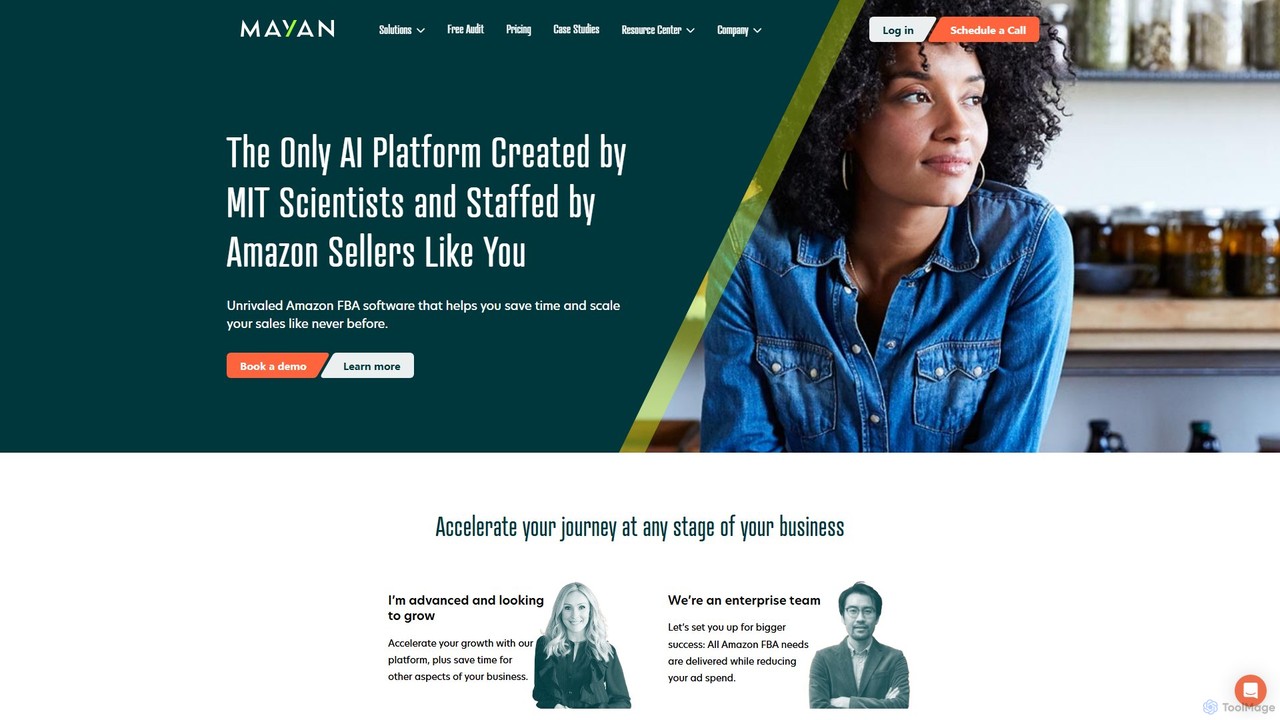
Mayan

Mayan

Mayan is an AI-powered growth automation platform for Amazon sellers, developed by MIT data scientists. It combines advanced …

6.6K
nyle

nyle

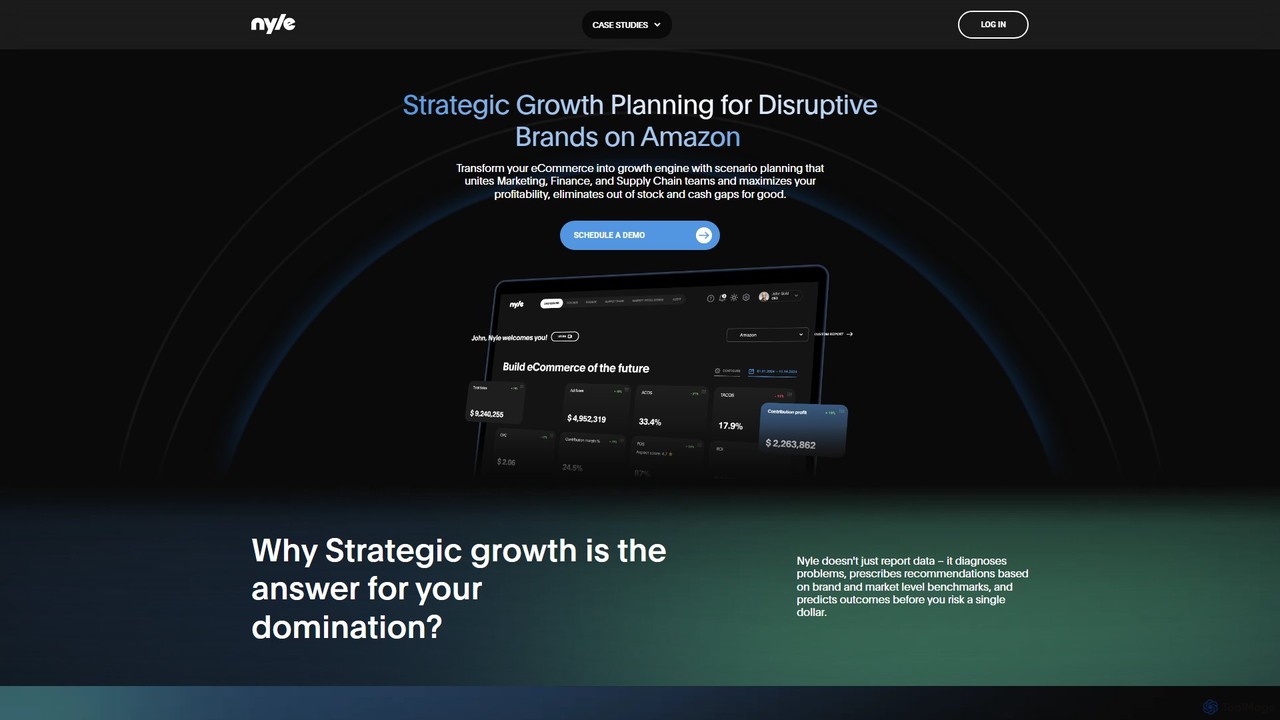
Nyle is an AI-powered growth platform designed for Amazon sellers. It integrates marketing, finance, and supply chain management …

5.8K
SmartScout

SmartScout

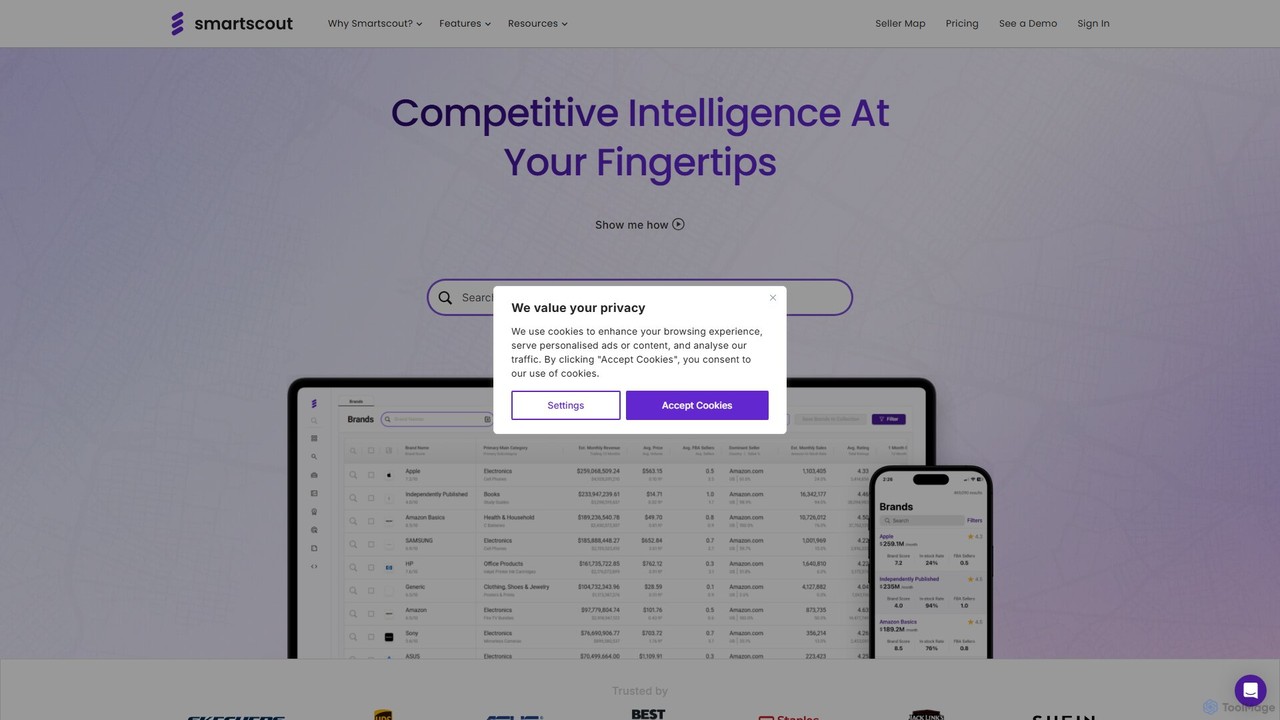
SmartScout is an all-in-one Amazon FBA software designed for product and brand research. It provides comprehensive marketplace data, …

157.8K
uniqin.ai

uniqin.ai

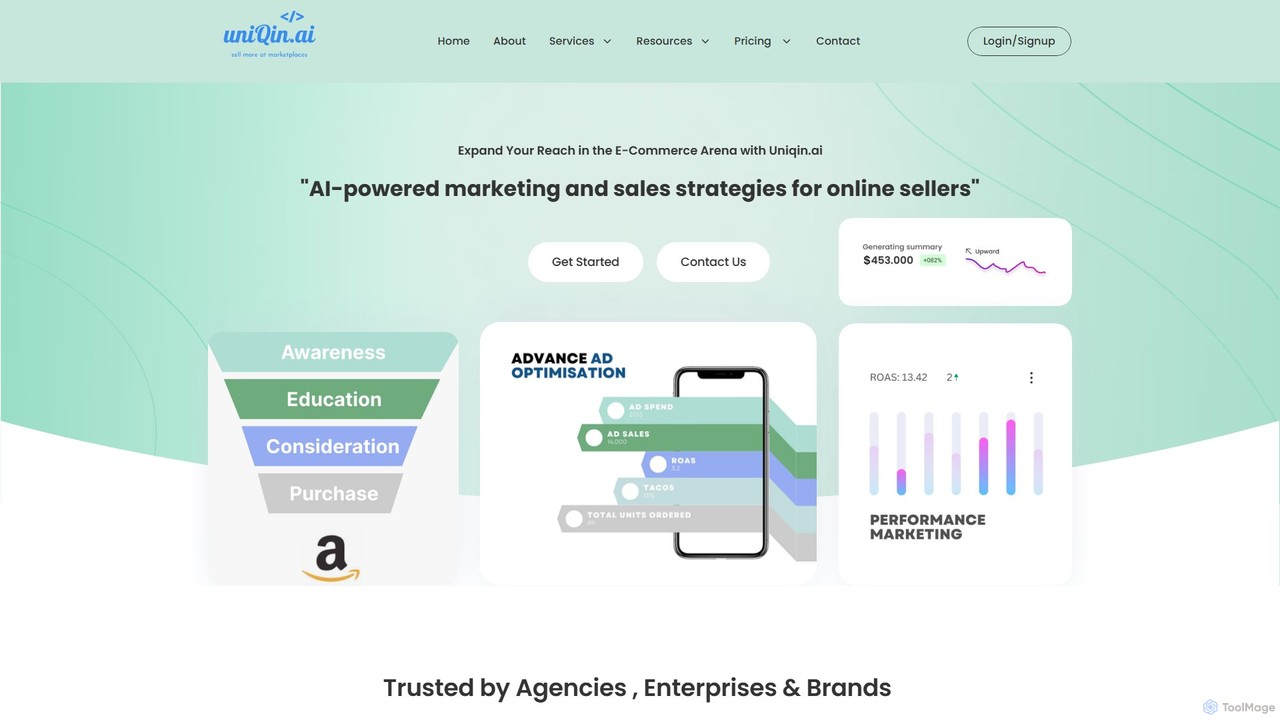
uniqin.ai is an AI-powered platform designed for e-commerce sellers, particularly on Amazon, to optimize marketing and sales strategies. …

3.3K
Push Lap Wholesale

Push Lap Wholesale

Push Lap Wholesale is an AI-powered sourcing tool designed for Amazon FBA and FBM sellers. It streamlines product …

2.9K

About Amazon Seller Tools

Amazon Seller Tools are specialized software applications that leverage AI and data analytics to optimize operations on the Amazon marketplace. These tools process vast amounts of market data to provide actionable insights for product research, keyword optimization, and advertising campaign management. By automating complex tasks and offering data-driven recommendations, they help sellers increase visibility, boost sales, and improve overall profitability. Many tools integrate directly with Amazon's API to provide real-time performance tracking and inventory management.

Core Features

  • Product Research: Identifies high-demand, low-competition product opportunities by analyzing sales data, revenue estimates, and market trends.
  • Listing Optimization: Provides AI-driven suggestions for titles, bullet points, and backend keywords to improve search ranking on Amazon's A9 algorithm.
  • PPC Campaign Automation: Manages and optimizes Amazon advertising campaigns by automating bid adjustments, harvesting keywords, and analyzing performance data.
  • Profit Analytics: Tracks detailed financial metrics, including sales, fees, ad spend, and cost of goods, to provide a clear view of profitability.
  • Inventory Management: Forecasts demand to prevent stockouts or overstocking, and sends alerts for reordering.

Applicable Scenarios

These tools are essential for various types of Amazon sellers, including private label brand owners seeking to launch new products, wholesale resellers managing large catalogs, and marketing agencies handling multiple client accounts. They are used daily for tasks ranging from initial market analysis and competitor tracking to ongoing ad spend optimization and financial reporting.

Selection Criteria

When choosing an Amazon Seller Tool, consider the scope of features (all-in-one suite vs. specialized tool), the accuracy and freshness of the data provided, which Amazon marketplaces are supported, and the pricing model. Also, evaluate its integration capabilities with Amazon Seller Central and other third-party logistics or accounting software.

Amazon Seller ToolsUse Cases

1

Discovering a Profitable Product Niche

A new entrepreneur planning to start a private label business on Amazon uses a product research tool to identify a viable niche. They filter products based on criteria like monthly revenue, number of reviews, and sales trends. The AI analyzes thousands of data points and suggests a niche for 'eco-friendly yoga mats' with high demand and only a few dominant competitors. The tool provides estimated sales figures, keyword search volumes, and supplier information, reducing the risk of launching a new product and saving weeks of manual research.

2

AI-Powered Listing Optimization for Higher Rank

An established seller notices their product's organic ranking has dropped. Using a listing optimization tool, they input their product's ASIN. The AI analyzes top-ranking competitors and identifies high-volume, relevant keywords that are missing from the current listing. It then generates an optimized title, bullet points, and description, incorporating these keywords naturally. After updating the listing with the AI's suggestions, the seller sees their product climb back to the first page of search results within two weeks, leading to a significant increase in organic sales.

3

Automating PPC Campaigns to Reduce Ad Spend

A brand manager is spending hours each week manually adjusting bids for hundreds of keywords in their Amazon PPC campaigns. They adopt a PPC automation tool that uses AI to analyze performance data in real-time. The tool automatically increases bids on high-converting keywords and decreases them on unprofitable ones. It also identifies new, relevant keywords from customer search term reports and adds them to campaigns. After one month, the manager reduces their Advertising Cost of Sale (ACoS) by 30% while maintaining sales volume, and saves over 10 hours of manual work per week.

4

Intelligent Inventory Forecasting to Prevent Stockouts

An FBA seller frequently runs out of stock on their best-selling item during peak season, losing thousands in potential sales. They implement an inventory management tool that connects to their Seller Central account. The AI analyzes historical sales data, seasonality, and current sales velocity to generate accurate demand forecasts. It sends automated alerts when inventory levels reach a critical reorder point, factoring in supplier lead times and FBA check-in delays. As a result, the seller maintains a 99% in-stock rate through the holiday season, maximizing sales and improving their IPI score.

5

Analyzing Competitor Strategies in Real-Time

A seller in a competitive category uses a competitor analysis tool to monitor their top three rivals. The tool tracks changes in their competitors' pricing, keyword rankings, review counts, and listing content on a daily basis. The seller receives an alert when a competitor launches a lightning deal or significantly drops their price. This allows them to react quickly, either by adjusting their own price or by launching a counter-promotion. By staying informed of the competitive landscape, they can protect their market share and make more strategic business decisions.

6

Gaining Insights from Customer Review Analysis

A product manager for a brand selling kitchen appliances wants to understand customer feedback without reading thousands of reviews manually. They use a review analysis tool that aggregates all reviews for their product line. The AI uses Natural Language Processing (NLP) to identify common themes, sentiment (positive, negative, neutral), and frequently mentioned keywords. The dashboard reveals that many negative reviews mention 'difficulty cleaning'. This specific, actionable insight allows the product team to prioritize a design change for the next product iteration, directly addressing a key customer pain point.

Amazon Seller ToolsFrequently Asked Questions