Business Intelligence (BI) tools are AI-powered platforms designed to transform raw, disparate data into actionable insights, empowering organizations to make informed strategic decisions. These sophisticated tools leverage advanced analytics, interactive data visualization, and comprehensive reporting capabilities to uncover critical patterns, trends, and opportunities hidden within complex datasets. By providing a holistic and real-time view of business performance, BI solutions enable proactive problem-solving, optimize operational efficiency, and drive data-driven growth across various departments, from sales and marketing to finance and operations. They bridge the gap between raw information and strategic foresight, making data accessible and understandable for all levels of an organization.
Core Features
- Data Integration & ETL: Connects, extracts, transforms, and loads data from disparate sources (databases, spreadsheets, cloud services, APIs) into a unified, clean format for analysis.
- Data Warehousing & Modeling: Stores and manages large volumes of historical and operational data, optimized for rapid analytical queries and complex data relationships.
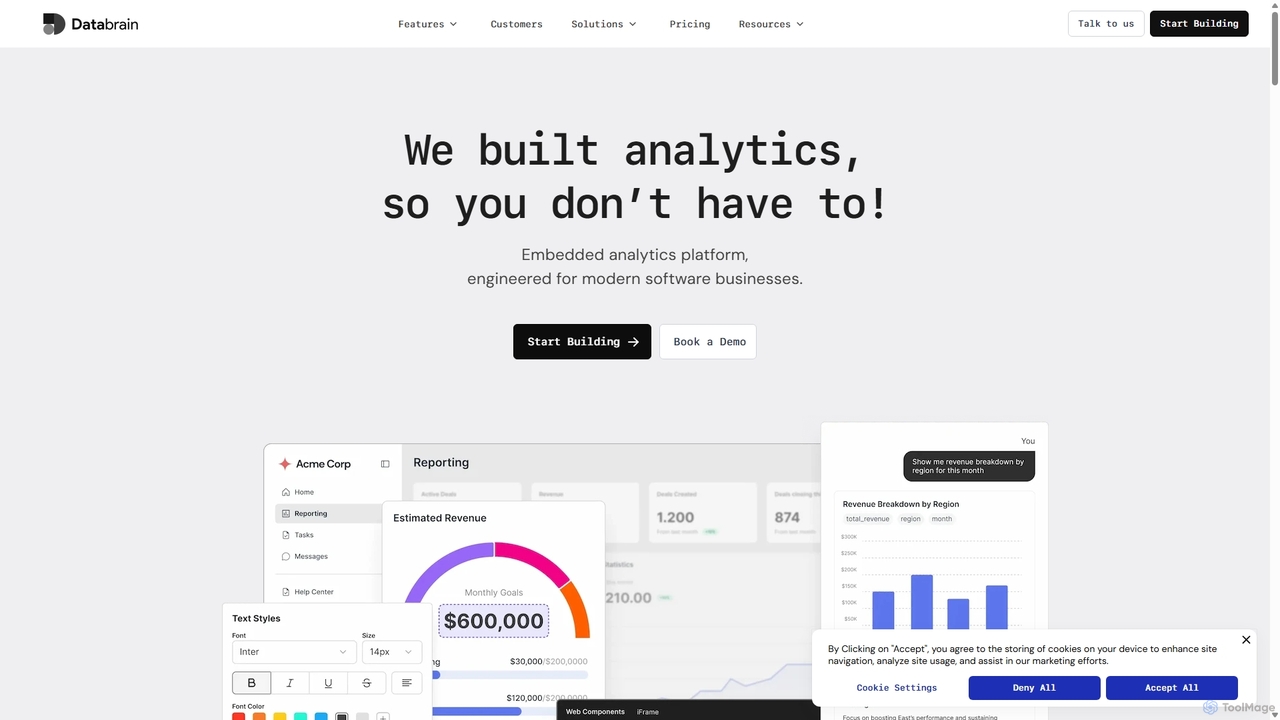
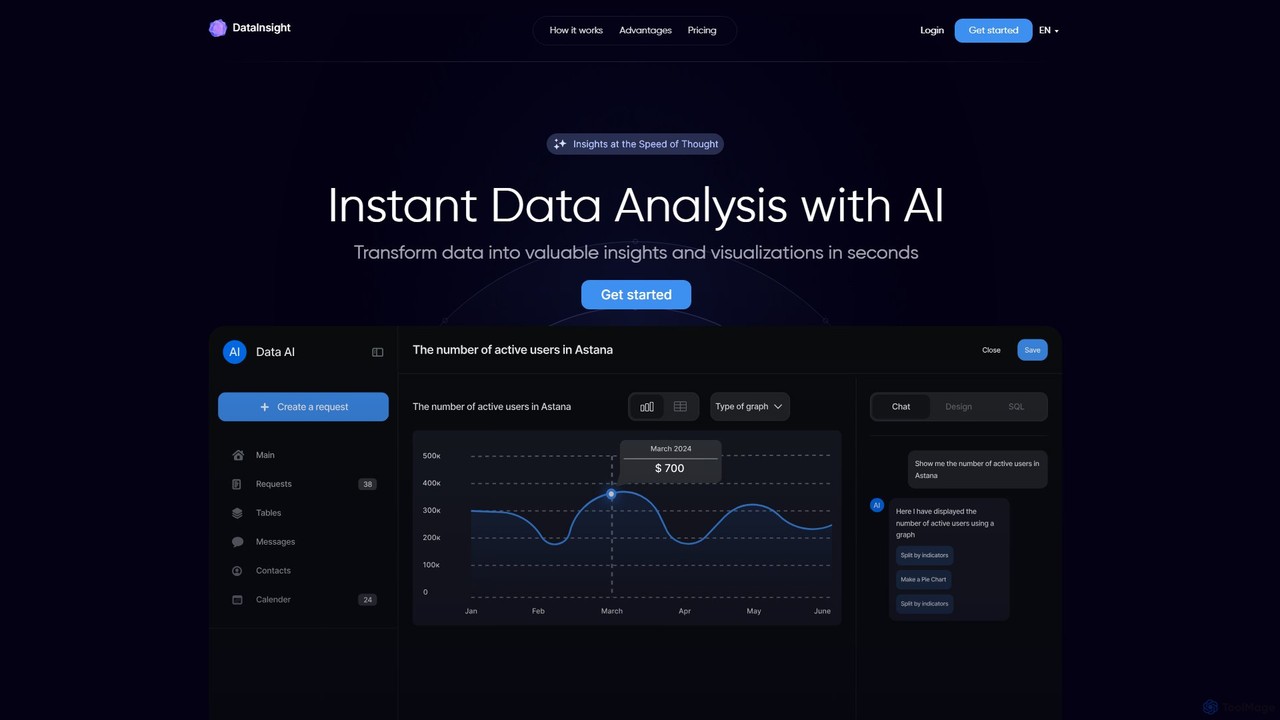
- Interactive Dashboards & Reporting: Creates dynamic, customizable visual summaries of key performance indicators (KPIs), trends, and metrics, alongside generating detailed, scheduled, or ad-hoc reports for various stakeholders.
- Ad-hoc Query & Analysis: Empowers business users to explore data freely, ask specific questions, and perform deep-dive analysis through intuitive interfaces without extensive technical knowledge.
- Predictive Analytics & Machine Learning: Utilizes AI and machine learning algorithms to forecast future trends, identify potential risks, recommend optimal business strategies, and uncover hidden correlations.
Use Cases
Business Intelligence tools are indispensable for executives, managers, and analysts seeking to understand past performance, monitor current operations, and predict future outcomes. They are widely adopted in finance for detailed budget analysis and financial forecasting, in sales for performance tracking, lead conversion analysis, and territory optimization, and in marketing for customer segmentation, campaign effectiveness measurement, and personalized outreach strategies. Operations teams also leverage BI for supply chain optimization and inventory management.
How to Choose
When selecting a Business Intelligence tool, consider its compatibility with your existing data infrastructure and diverse data sources, the breadth and flexibility of its visualization options for different user needs, and its overall ease of use for both technical and non-technical users. Evaluate its scalability to handle growing data volumes and user bases, robust integration capabilities with other business applications (CRM, ERP), and the level of AI-driven insights and predictive features offered. Security, compliance, and vendor support are also critical factors.