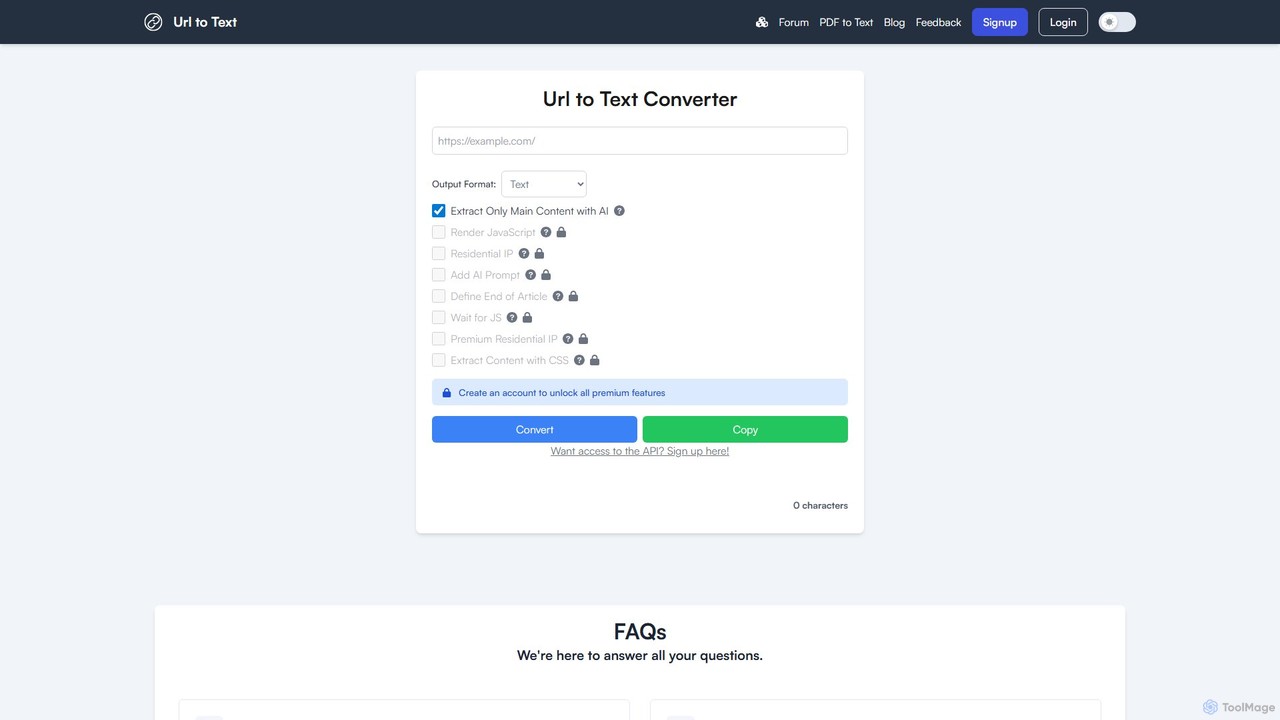
Content Curation tools are AI-powered platforms designed to discover, organize, and share relevant external content on specific topics. They utilize algorithms like Natural Language Processing (NLP) to sift through vast online sources, identifying high-quality articles, posts, and media. This enables users to build authority, engage audiences, and stay informed without exhaustive manual searching. Unlike simple data collection, these tools focus on adding context and value to existing information.
Core Features
- Automated Content Discovery: Scans blogs, news sites, and social media based on keywords and topics to find relevant content.
- AI-Powered Filtering: Uses machine learning to rank content by relevance, quality, and engagement potential.
- Annotation and Contextualization: Allows users to add their own commentary, insights, or summaries to curated pieces.
- Multi-Channel Publishing: Facilitates scheduling and sharing of curated content to newsletters, blogs, and social media platforms.
- Performance Analytics: Tracks engagement metrics like clicks and shares to measure the impact of the curated content.
Use Cases
These tools are widely used by marketing teams to supplement their content calendars, by researchers to compile literature reviews, and by brand managers to monitor industry trends. Educators also use them to create dynamic learning resources, while sales teams leverage them to share relevant industry news with prospects.
How to Choose
When selecting a Content Curation tool, evaluate the breadth and quality of its content sources. Assess the sophistication of its AI recommendation engine and filtering options. Consider its integration capabilities with your existing marketing stack (e.g., social media schedulers, email platforms) and the depth of its analytics for performance tracking.