Business Best in category 14 results E Commerce AI Tool

Popular AI tools in the E Commerce field of Business include WordPress、Ticket Tailor、Adobe for Business、Algolia、ShareASale、BrainCert、Kopage、inai、LearnHouse、kwakwa, etc., helping you quickly improve efficiency.

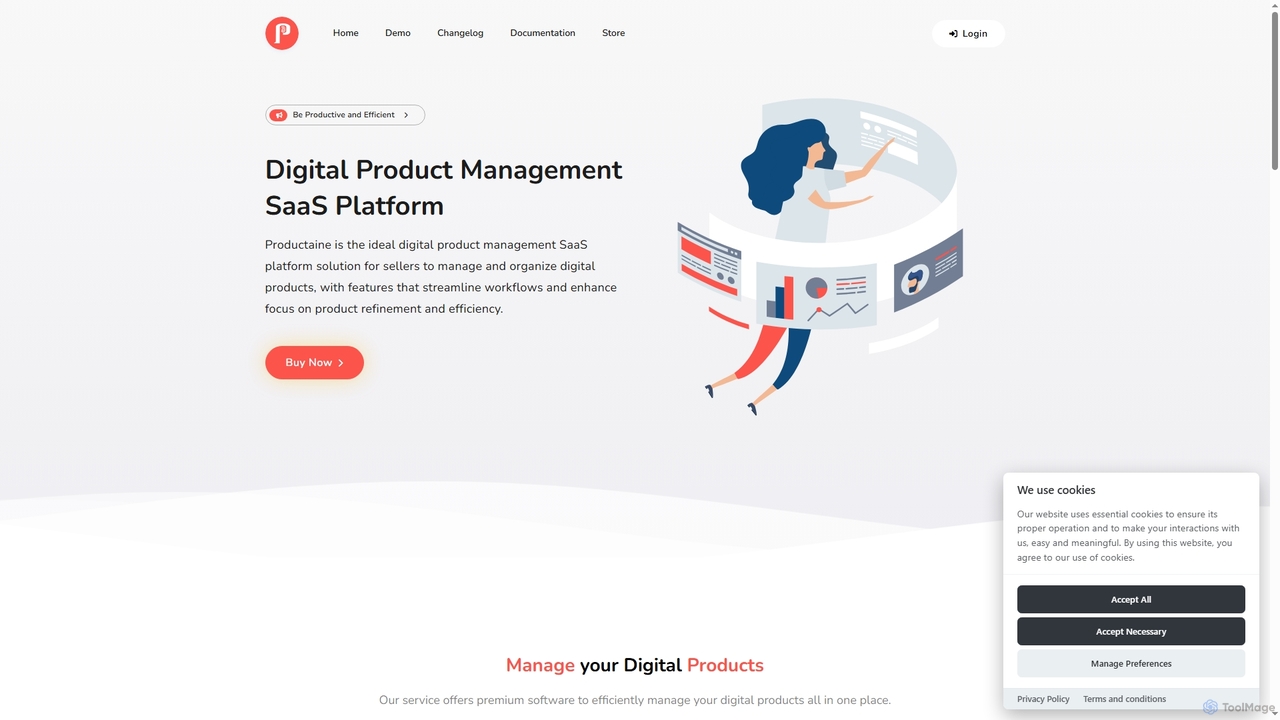
Productaine

Productaine

Productaine is a comprehensive platform designed to streamline the management of digital products. It offers powerful software to …

2.4K
Adobe for Business

Adobe for Business

Adobe for Business is an integrated suite of AI-powered solutions for enterprises, covering digital marketing, creative content production, …

1.4M
Algolia

Algolia

Algolia is an AI-powered search and discovery platform that provides developers with APIs to build fast, relevant, and …

859.8K
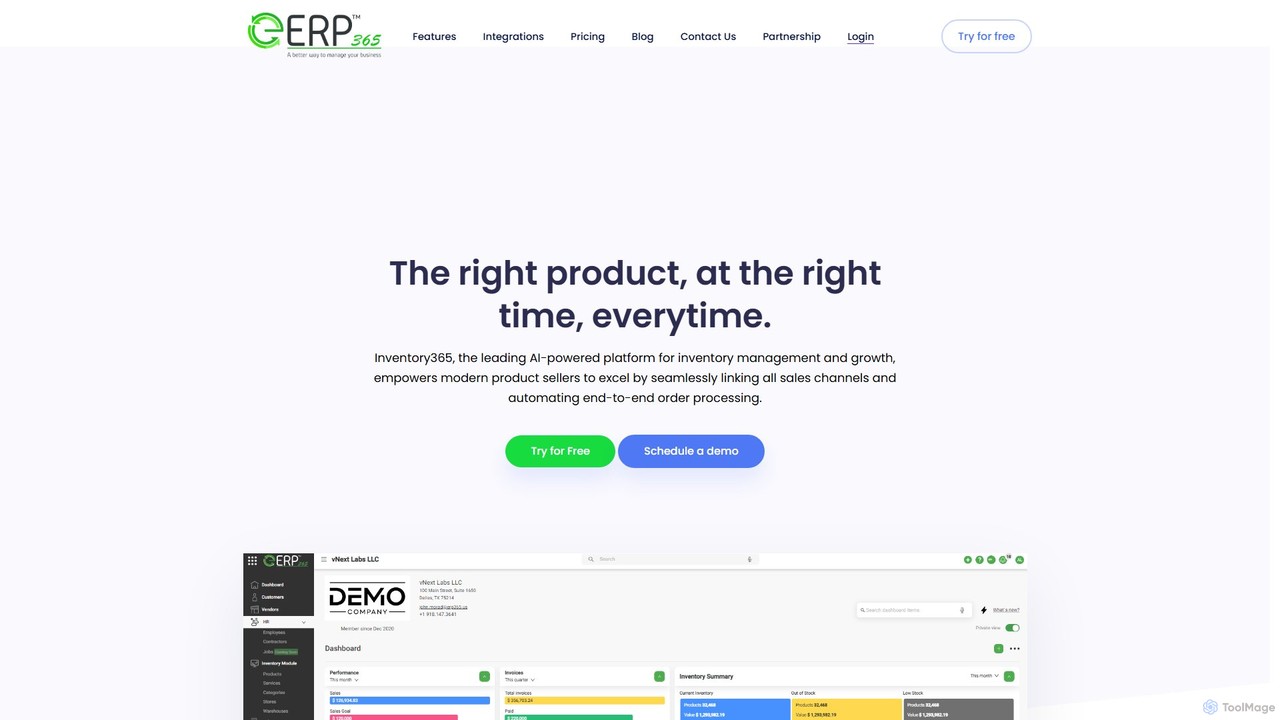
Inventory365

Inventory365

Inventory365 is a leading AI-powered inventory management platform for modern e-commerce and retail businesses. It centralizes operations by …

2.3K
BrainCert

BrainCert

BrainCert is an AI-powered, all-in-one Learning Management System (LMS) for creators, coaches, and businesses. It enables users to …

47.6K
LearnHouse

LearnHouse

LearnHouse is a modern, open-source learning management system (LMS) designed for creating, managing, and selling online courses. It …

3.8K
Free
WordPress

WordPress

WordPress is the world's most popular open-source content management system (CMS). It empowers users to create anything from …

8.1M
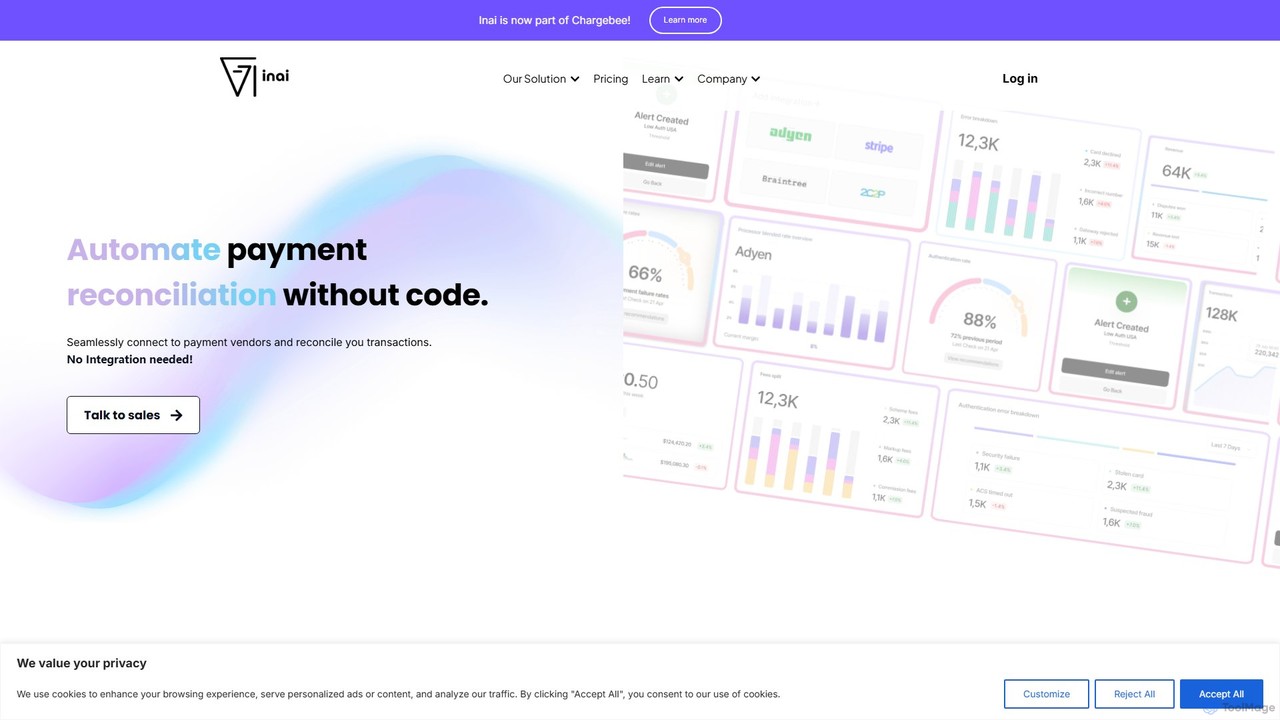
inai

inai

inai is an all-in-one payment orchestration platform for global businesses. It simplifies cross-border payments by integrating multiple payment …

9.0K
Bricksoft

Bricksoft

Bricksoft is an AI-powered platform designed for service-based businesses to digitize their operations. It provides an embeddable AI …

2.3K
Webudy

Webudy

Webudy is an all-in-one, AI-powered platform designed to help businesses establish a strong online presence. It offers comprehensive …

2.4K
kwakwa

kwakwa

kwakwa is an AI-powered platform designed for creators and experts to turn their knowledge into recurring revenue. It …

2.8K
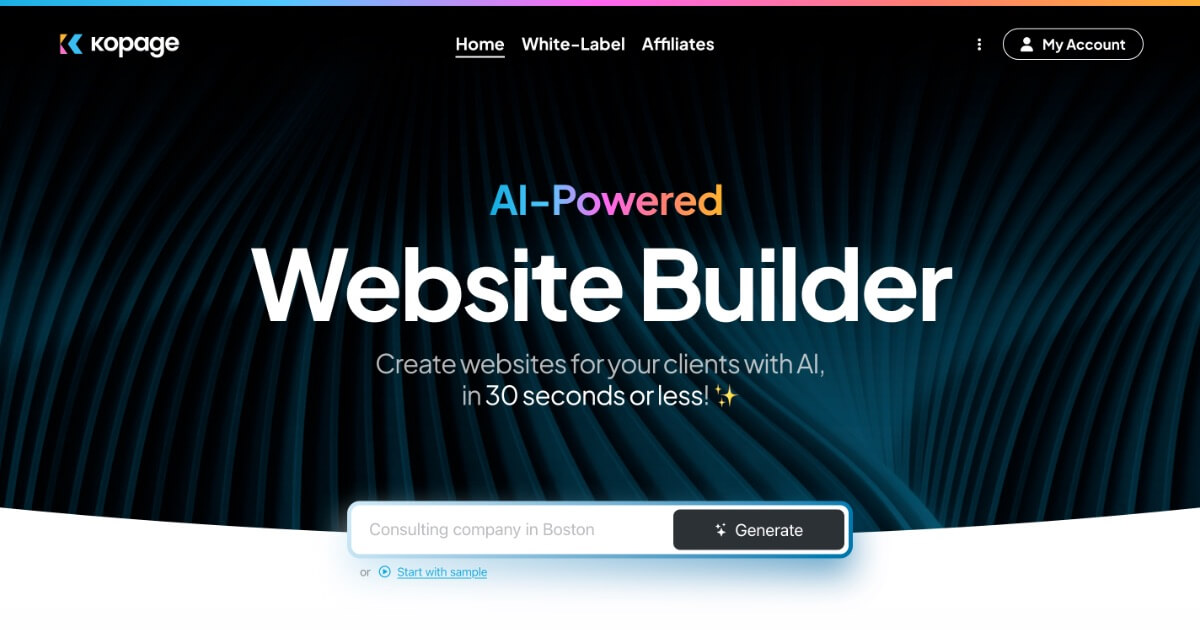
Kopage

Kopage

Kopage is a white-label AI website builder that empowers users to create professional, feature-rich websites in 30 seconds …

10.0K
ShareASale

ShareASale

ShareASale is a premier affiliate marketing network, now part of the global Awin platform. It connects online merchants …

149.8K
Ticket Tailor

Ticket Tailor

Ticket Tailor is a user-friendly and affordable online ticketing platform for event creators of all sizes. It offers …

7.1M

About E Commerce

E-commerce AI tools are specialized artificial intelligence applications designed to optimize various aspects of online retail operations. These tools leverage machine learning, natural language processing, and computer vision to automate tasks, personalize customer experiences, and derive actionable insights from vast datasets. Their primary value lies in enhancing efficiency, boosting sales, and improving customer satisfaction across the entire e-commerce lifecycle, from product discovery to post-purchase support, making them a vital component within the broader Business AI landscape.

Core Features

  • Personalized Recommendations: Analyzes customer behavior and preferences to suggest relevant products, increasing conversion rates and average order value.
  • Automated Customer Service: Utilizes AI chatbots and virtual assistants to handle inquiries, provide support, and resolve issues 24/7, improving response times and customer satisfaction.
  • Dynamic Pricing: Adjusts product prices in real-time based on market demand, competitor pricing, inventory levels, and customer segments to maximize revenue and competitiveness.
  • Intelligent Inventory Management: Predicts demand fluctuations and optimizes stock levels, reducing overstocking or stockouts and streamlining supply chain operations.
  • Marketing Automation: Generates personalized marketing content, optimizes ad campaigns, and automates email sequences to engage customers effectively and drive sales.

Use Cases

These tools are indispensable for online retailers of all sizes, from small businesses managing a single online store to large enterprises with complex global operations. They empower e-commerce managers to streamline workflows, enhance customer engagement, and make data-driven decisions. For example, a fashion e-tailer might use AI to analyze trends and recommend outfits, while a consumer electronics store could employ AI for predictive maintenance alerts and personalized accessory suggestions.

How to Choose

When selecting E-commerce AI tools, consider their integration capabilities with your existing platforms (e.g., Shopify, Magento, WooCommerce), the specific AI functionalities offered (e.g., advanced analytics, NLP for chatbots, computer vision for product tagging), scalability to match your business growth, and data privacy compliance. Evaluate the ease of implementation, the level of customization available, and the vendor's support and training resources to ensure a seamless adoption and maximum return on investment.

E CommerceUse Cases

1

Personalized Product Recommendations

An online fashion retailer uses AI to analyze customer browsing history, purchase patterns, and demographic data. The AI tool then generates highly personalized product recommendations on the website, in emails, and through ads. This leads to a significant increase in conversion rates and average order value, as customers discover items they are more likely to buy, enhancing their shopping experience and boosting sales for the retailer.

2

Automated Customer Support with AI Chatbots

An e-commerce business implements an AI-powered chatbot on its website to handle common customer inquiries such as order status, shipping information, and return policies. The chatbot provides instant, accurate responses 24/7, reducing the workload on human support agents by 70% and improving customer satisfaction through quick resolutions. Complex issues are seamlessly escalated to human agents, ensuring efficient and comprehensive customer service.

3

Dynamic Pricing Optimization for Maximum Revenue

An online electronics store uses an AI dynamic pricing engine to adjust product prices in real-time. The AI considers competitor pricing, current demand, inventory levels, time of day, and even customer browsing behavior. This allows the store to maximize profit margins during peak demand and clear excess stock with strategic discounts, ensuring competitive pricing while optimizing revenue generation across its entire product catalog.

4

Intelligent Inventory Forecasting and Management

A large e-commerce warehouse utilizes AI-powered inventory management tools to predict future demand for thousands of SKUs. By analyzing historical sales data, seasonal trends, marketing campaigns, and external factors like weather, the AI accurately forecasts demand. This enables the warehouse manager to optimize stock levels, reduce carrying costs, prevent stockouts, and streamline replenishment processes, leading to significant operational efficiencies and improved customer fulfillment rates.

5

AI-Powered Marketing Content Generation

A small online boutique uses AI tools to generate engaging product descriptions, social media posts, and email marketing copy. By inputting product features and target audience details, the AI quickly produces multiple creative variations, saving the boutique owner hours of manual writing. This ensures consistent brand messaging, improves content quality, and allows the boutique to launch marketing campaigns faster and more frequently, driving increased traffic and sales.

6

Fraud Detection and Prevention in Transactions

A global e-commerce platform employs AI-driven fraud detection systems to monitor millions of transactions daily. The AI analyzes patterns, anomalies, and behavioral data in real-time to identify suspicious activities, such as unusual purchase amounts, multiple failed login attempts, or mismatched shipping addresses. This proactive approach significantly reduces financial losses from fraudulent transactions, protects customer data, and maintains the platform's reputation for security and trustworthiness, ensuring a safer shopping environment.

E CommerceFrequently Asked Questions