Construction Best in category 1 results Operations Management AI Tool

Popular AI tools in the Operations Management field of Construction include Merlin AI, etc., helping you quickly improve efficiency.

Merlin AI

Merlin AI

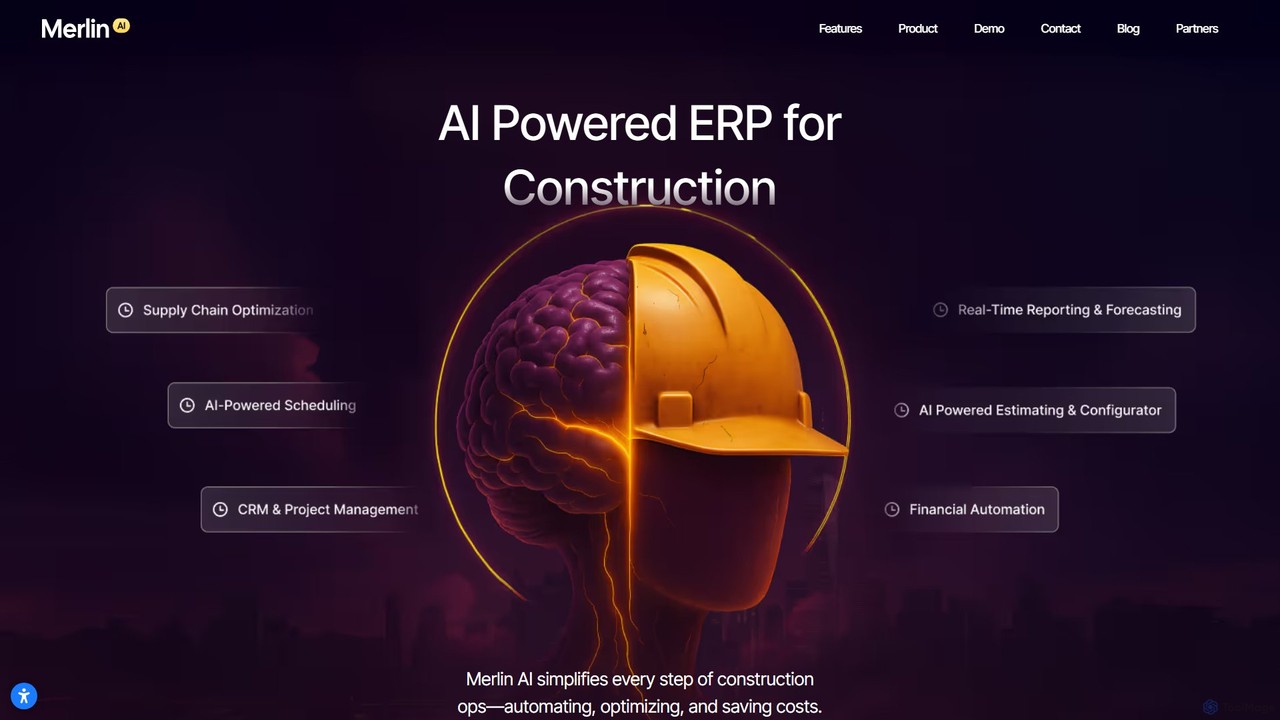
Merlin AI is an AI-powered, all-in-one Enterprise Resource Planning (ERP) platform specifically designed for the construction industry. It …

19.9K

About Operations Management

Operations Management tools in construction are specialized AI platforms designed to optimize and automate the daily execution of building projects. These tools leverage machine learning, computer vision, and predictive analytics to process real-time data from the job site. They streamline critical tasks such as resource allocation, schedule adjustments, safety monitoring, and progress tracking, transforming complex operational data into actionable insights. This enables project managers to proactively address issues, reduce delays, and improve overall project efficiency and safety.

Core Features

  • Predictive Scheduling: Analyzes project data to forecast timelines and automatically adjust schedules to mitigate potential delays.
  • Resource Optimization: Intelligently allocates labor, equipment, and materials based on real-time progress and future needs.
  • AI-Powered Safety Monitoring: Utilizes computer vision to analyze site camera feeds for safety violations, such as missing PPE or entry into hazardous zones.
  • Automated Progress Tracking: Compares drone scans and site photos against BIM models to automatically measure and report on construction progress.
  • Quality Assurance Automation: Identifies potential construction defects or deviations from design plans by analyzing images and sensor data.

Use Cases

These tools are essential for general contractors, project managers, and site supervisors in large-scale commercial, industrial, and infrastructure projects. They are used for managing complex workflows, coordinating multiple subcontractors, and ensuring compliance with stringent safety and quality standards on busy construction sites.

How to Choose

When selecting a tool, consider its integration capabilities with your existing software (like BIM and ERP systems), the specific types of data it can analyze (e.g., drone imagery, sensor data), its ease of use for on-site staff, and the scalability of its platform to handle projects of varying sizes and complexity.

Operations ManagementUse Cases

1

Automated Daily Progress Reporting

A site manager for a high-rise construction project uses an AI operations tool to automate daily reporting. Each day, a drone performs an autonomous flight, capturing high-resolution imagery of the entire site. The AI platform processes this data, compares the as-built status against the 4D BIM schedule, and automatically generates a detailed progress report. This report highlights completed tasks, identifies deviations from the plan, and calculates the percentage of work completed, saving the manager over two hours of manual data collection and report writing each day.

2

AI-Powered Safety Hazard Detection

A safety officer on a large infrastructure project implements an AI monitoring system connected to existing site cameras. The AI continuously analyzes video feeds to detect safety hazards in real-time. For instance, it can identify workers not wearing hard hats in designated zones or machinery operating too close to personnel. When a potential violation is detected, the system sends an instant alert with a video clip to the safety officer's mobile device, allowing for immediate intervention and preventing potential accidents before they occur.

3

Optimizing Equipment Allocation Across Sites

A logistics coordinator for a large construction firm uses an AI platform to manage a fleet of heavy equipment across multiple projects. The system analyzes project schedules, daily progress reports, and equipment telematics data. It then predicts future equipment needs for each site and recommends an optimal allocation and transfer schedule. This prevents equipment from sitting idle at one site while being urgently needed at another, reducing rental costs and minimizing project delays caused by equipment shortages.

4

Automated Quality Assurance Checks

A quality control inspector uses a mobile app powered by AI to perform checks on concrete reinforcement (rebar) installations. The inspector takes photos of the rebar grid before the concrete is poured. The AI analyzes the images, measuring the spacing between bars, verifying the bar sizes, and comparing the layout against the structural drawings stored in the system. The app instantly flags any deviations or non-compliant areas, allowing for corrections to be made immediately, ensuring structural integrity and avoiding costly rework later.

5

Dynamic Task Scheduling for Subcontractors

A project manager uses an AI operations platform to coordinate various subcontractors on a commercial building project. The platform integrates with the master schedule and receives real-time progress updates from each team via a mobile app. If the framing crew finishes a section ahead of schedule, the AI automatically notifies the electrical and plumbing subcontractors, adjusting their start times for that section. This dynamic scheduling minimizes downtime for trade crews and accelerates the overall project timeline by optimizing workflow dependencies.

6

Predictive Maintenance for Heavy Machinery

An equipment manager for a large fleet of excavators and bulldozers uses an AI system that analyzes data from IoT sensors installed on the machinery. The system monitors engine temperature, hydraulic pressure, and vibration patterns to predict potential equipment failures before they happen. It automatically schedules maintenance tasks and orders necessary parts in advance. This proactive approach reduces unexpected downtime, extends the lifespan of the equipment, and lowers overall maintenance costs by preventing catastrophic failures on site.

Operations ManagementFrequently Asked Questions