Construction Best in category 1 results Estimating AI Tool

Popular AI tools in the Estimating field of Construction include ibeam, etc., helping you quickly improve efficiency.

ibeam

ibeam

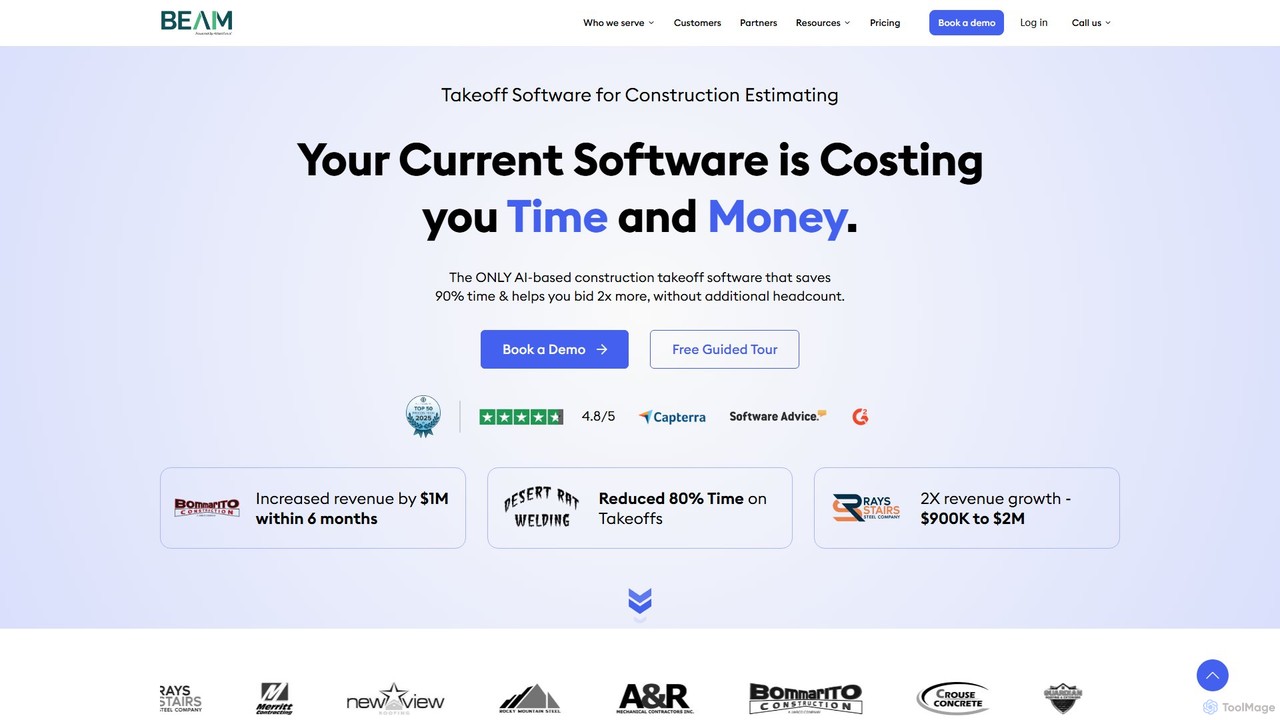
ibeam is an AI-powered construction takeoff software that automates quantity takeoffs from PDF plans. It saves estimators up …

50.7K

About Estimating

AI Estimating tools are a specialized class of software within construction technology that uses artificial intelligence to automate and enhance project cost estimation. These tools leverage machine learning algorithms to analyze digital blueprints, 3D models, and historical project data for precise quantity takeoffs and cost calculations. They significantly accelerate the bidding process, reduce human error, and provide data-driven insights for more competitive and profitable proposals. By integrating with real-time cost databases, they ensure estimates are based on the most current material and labor prices.

Core Features

  • Automated Quantity Takeoff: Automatically extracts measurements and material quantities from 2D plans and 3D BIM models.
  • Predictive Cost Analysis: Uses historical data to forecast potential costs, risks, and project timelines with greater accuracy.
  • Real-Time Cost Database Integration: Connects to live databases for up-to-date material, labor, and equipment pricing.
  • Bid Proposal Generation: Compiles all estimated costs into professional, customizable bid documents and reports.
  • Subcontractor Bid Comparison: Analyzes and compares bids received from various subcontractors to identify the best value.

Use Cases

These tools are primarily used by general contractors, subcontractors, cost estimators, and project managers in the residential, commercial, and industrial construction sectors. They are applied throughout the project lifecycle, from initial feasibility studies and preliminary budgets to detailed bidding and change order management, streamlining financial planning and control.

How to Choose

When selecting an AI Estimating tool, consider its integration capabilities with your existing BIM or CAD software. Evaluate the accuracy of its AI model and its ability to learn from your company's past projects. Assess the scope and currency of its cost databases and ensure it can be customized to your specific trade or region. Finally, consider the user interface's ease of use and the tool's scalability for projects of varying sizes.

EstimatingUse Cases

1

Rapid Bid Generation for General Contractors

A general contractor receives a tender for a mid-sized commercial building with a tight deadline. Instead of spending days on manual takeoffs, they upload the BIM model to an AI Estimating tool. The software automatically quantifies all materials, calculates required labor hours based on historical productivity rates, and applies current local pricing from its integrated database. Within hours, a comprehensive and accurate bid is generated, allowing the contractor to bid on more projects with confidence and improve their win rate.

2

Accurate Material Costing for Subcontractors

An electrical subcontractor needs to bid on a large residential complex. The AI tool analyzes the electrical plans, accurately identifying and counting every required component—from wiring and conduits to outlets and circuit breakers. It then pulls real-time pricing from multiple suppliers, ensuring the material cost is precise and competitive. This eliminates the risk of underbidding due to missed items or overbidding with outdated prices, securing profitable contracts.

3

Preliminary Budgeting for Real Estate Developers

A developer is evaluating the feasibility of a new project with only conceptual designs. They input key parameters like gross floor area, building type, and location into an AI Estimating tool. The system uses data from thousands of similar past projects to generate a reliable preliminary budget. This allows for rapid assessment of project viability and helps secure initial funding long before detailed architectural plans are complete, accelerating the entire development lifecycle.

4

Change Order Cost Impact Analysis

During construction, a client requests a significant design change, such as adding a new floor. The project manager uses the AI Estimating tool to quickly model the change. The tool instantly recalculates the impact on materials, labor, and equipment costs, and can even predict potential schedule delays. This provides a clear, data-backed change order document that can be presented to the client for approval, ensuring transparent communication and fair compensation for the additional work.

5

Historical Data-Driven Cost Forecasting

A large construction firm wants to improve the accuracy of its bids for complex hospital projects. Their AI Estimating tool has been trained on all their past project data. When estimating a new hospital, the AI identifies patterns and correlations from previous healthcare constructions. It flags areas with high risk of cost overruns, such as specialized MEP (Mechanical, Electrical, Plumbing) installations, and suggests appropriate contingency amounts. This proactive, data-driven approach leads to more realistic and profitable bids.

6

Standardized Quoting for Renovation Companies

A home renovation company with multiple sales agents struggles with inconsistent quoting. They adopt an AI-powered estimating app. Now, agents can visit a client's home, input project details (e.g., room dimensions, material choices) directly into a tablet, and the app generates a standardized, professional quote on the spot. This ensures consistency across the team, reduces training time for new agents, and improves the customer experience by providing instant, transparent pricing.

EstimatingFrequently Asked Questions