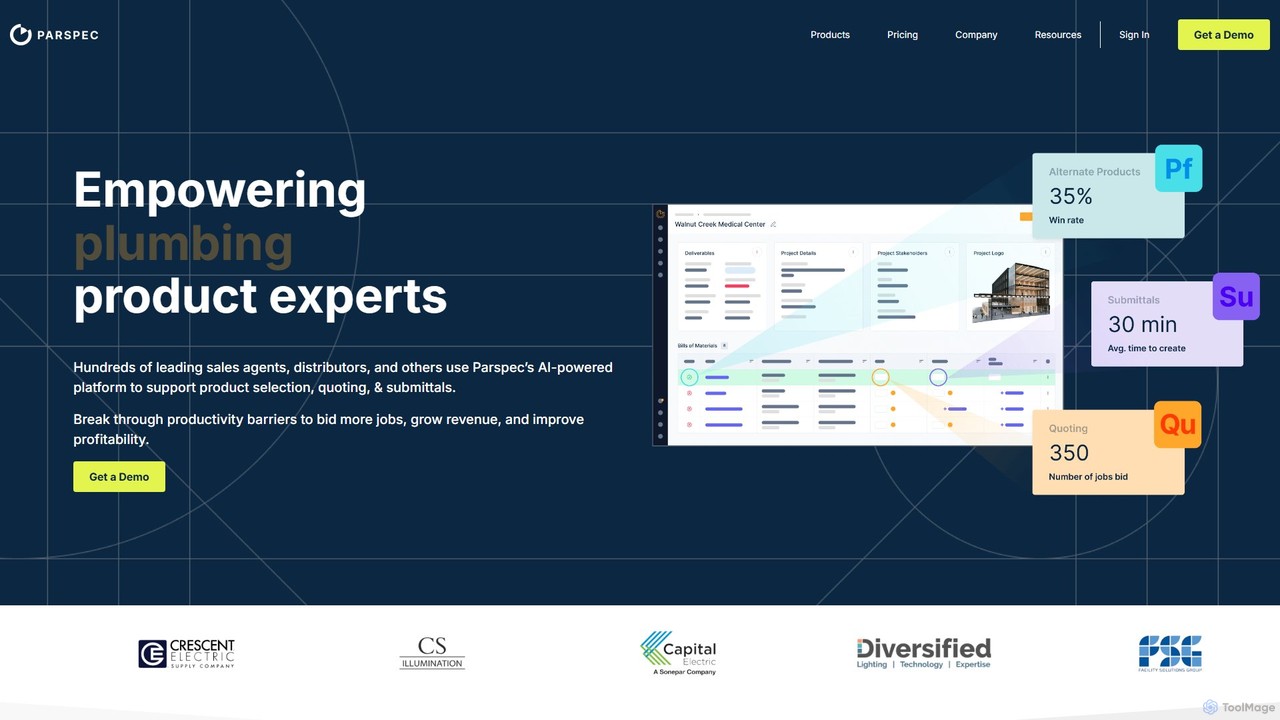
AI Procurement tools are specialized AI-powered solutions designed to optimize and automate various stages of the purchasing process within the construction industry. Leveraging machine learning, natural language processing, and predictive analytics, these tools enhance efficiency, reduce costs, and mitigate risks associated with sourcing materials, equipment, and services for construction projects. They provide data-driven insights to streamline vendor selection, contract negotiation, and supply chain management, ensuring projects stay on budget and schedule.
Core Features
- Automated Sourcing: Identifies and evaluates potential suppliers based on project requirements, historical data, and market conditions.
- Predictive Pricing: Forecasts material costs and market fluctuations to inform strategic purchasing decisions and budget planning.
- Contract Analysis: Uses NLP to review, analyze, and flag potential risks or non-compliance in vendor contracts.
- Vendor Performance Management: Monitors supplier reliability, quality, and delivery times to optimize relationships and mitigate supply chain disruptions.
- Demand Forecasting: Predicts future material and equipment needs for construction projects, preventing shortages or overstocking.
Applicable Scenarios
AI procurement tools are invaluable for construction companies managing complex supply chains, large-scale projects, or multiple concurrent builds. They assist procurement managers in identifying the most cost-effective and reliable suppliers for raw materials like steel and concrete, specialized equipment, and skilled subcontractors. These tools also support project managers in ensuring timely delivery and adherence to budget constraints across all procurement activities.
How to Choose
When selecting AI procurement tools for construction, prioritize solutions that offer robust integration with existing ERP or project management systems, ensuring seamless data flow. Evaluate their ability to handle industry-specific compliance and regulatory requirements, scalability to accommodate project growth, and the accuracy of their predictive models. User-friendliness, data security, and comprehensive support are also crucial for successful adoption and long-term value.