kabeltec
Kabeltec is a global manufacturer and supplier of specialized industrial and electrical cables. Originating from Germany, it provides …
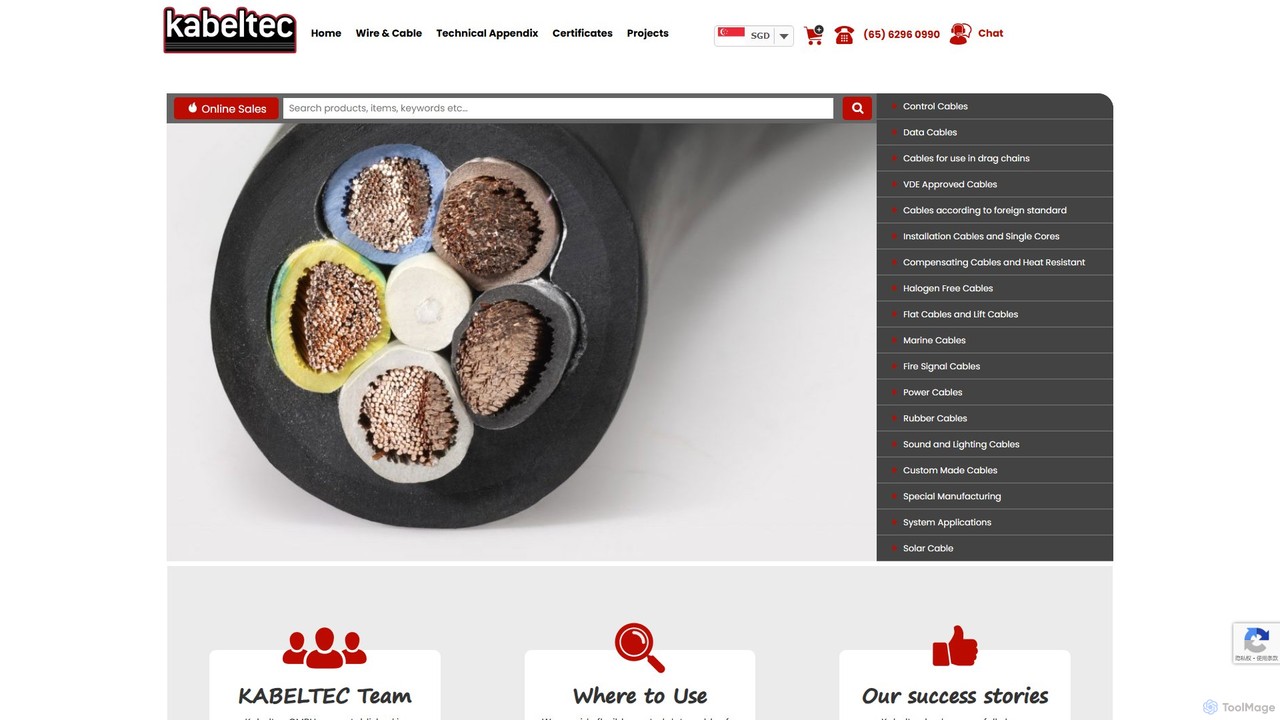
Kabeltec is a global manufacturer and supplier of specialized industrial and electrical cables. Originating from Germany, it provides a comprehensive range of high-performance cables, custom manufacturing, and end-to-end project management services for demanding sectors like marine, industrial automation, renewable energy, and construction.
About Building Materials
Building Materials tools are AI-powered platforms designed to innovate, optimize, and manage various aspects of construction materials throughout their lifecycle. These specialized tools leverage machine learning, data analytics, and simulation to enhance material properties, predict performance, streamline supply chains, and improve sustainability within the broader construction industry. They empower architects, engineers, and manufacturers to make data-driven decisions, leading to more efficient, cost-effective, and environmentally friendly construction projects.
Core Features
- Material Property Prediction: AI models analyze vast datasets to predict physical, chemical, and mechanical properties of new or modified building materials.
- Optimized Material Design: Generative AI assists in designing novel material compositions or structures for specific performance requirements, such as strength or insulation.
- Quality Control & Anomaly Detection: AI vision systems and sensors monitor material production and installation, identifying defects or inconsistencies in real-time.
- Supply Chain Optimization: Predictive analytics forecast material demand, optimize procurement, and manage inventory to reduce waste and delays.
- Sustainability Assessment: Tools evaluate the environmental impact of materials across their lifecycle, aiding in the selection of greener alternatives.
Applicable Scenarios
These tools are crucial for material scientists developing next-generation composites, architects specifying high-performance facades, and construction firms managing large-scale material logistics. They are also vital for manufacturers seeking to improve production efficiency and quality, and for researchers exploring sustainable building solutions.
How to Choose
When selecting AI Building Materials tools, consider the specific material types supported, the depth of analytical capabilities (e.g., predictive accuracy, simulation fidelity), integration with existing CAD/BIM software, and the ease of data input. Evaluate the tool's ability to address your primary challenges, whether it's material innovation, quality assurance, or supply chain efficiency, and assess its scalability for future needs.

Building MaterialsUse Cases
Optimizing Concrete Mix Designs
Civil engineers use AI to analyze aggregate properties, cement types, and admixtures, predicting optimal concrete strength, workability, and durability for specific environmental conditions. This reduces material waste and improves structural integrity, ensuring projects meet performance specifications while minimizing costs.
Predictive Maintenance for Material Production Equipment
Manufacturers deploy AI sensors on machinery producing steel, glass, or insulation. AI analyzes vibration, temperature, and output data to predict equipment failures, enabling proactive maintenance and minimizing costly production downtime. This ensures consistent material quality and uninterrupted supply.
Automated Quality Inspection of Prefabricated Components
Construction companies utilize AI vision systems to scan prefabricated wall panels, beams, or modules. The AI detects surface defects, dimensional inaccuracies, or material flaws, ensuring components meet strict quality standards before assembly. This significantly reduces on-site rework and improves overall project quality.
Sustainable Material Selection for Green Buildings
Architects and developers leverage AI databases to compare the embodied carbon, recyclability, and lifecycle impact of various building materials. The AI recommends eco-friendly alternatives that meet design specifications and sustainability goals, facilitating the construction of greener, more environmentally responsible buildings.
Real-time Inventory Management for Large Construction Sites
Project managers use AI-powered tracking systems to monitor the arrival, usage, and remaining stock of critical building materials like rebar, timber, or insulation. AI predicts future needs, preventing shortages or overstocking and optimizing logistics. This ensures materials are available when needed, reducing project delays and waste.
Generative Design of Novel Composite Materials
Material scientists employ generative AI to explore thousands of potential composite material compositions and microstructures. The AI suggests designs that achieve desired properties like lightweight strength or enhanced thermal insulation, accelerating R&D and enabling the creation of innovative, high-performance building materials.