ToolMage
Sign in

Best 4 Publishing AI tools

Popular Publishing AI tools include Conceptuel, Iflowy, WriterCasa, and Gaggio Writer, helping you work more efficiently.

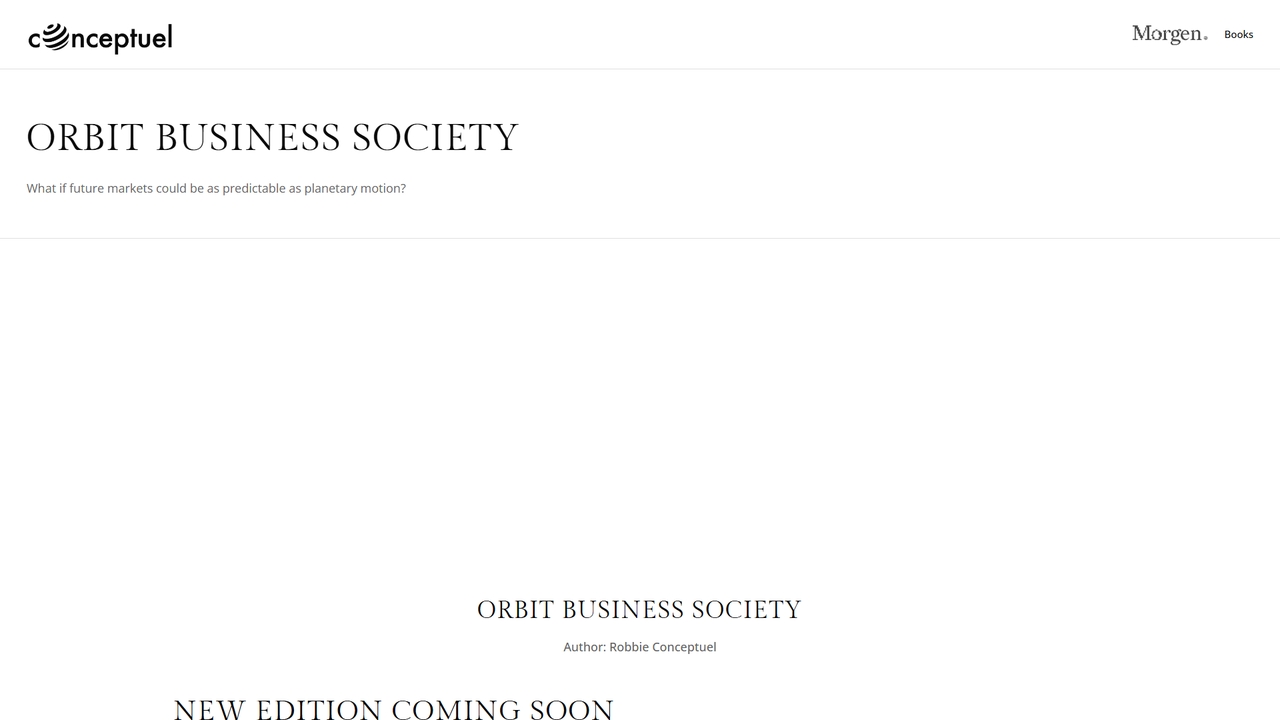
Conceptuel

Conceptuel is a Swiss creative agency founded by Robbie Conceptuel, specializing in augmented reality (AR) development using Spark AR and Lens Studio, digital product design, and premium literary publications. It bridges technology and culture by creating innovative AR filters and experiences that have garnered billions of impressions, alongside curated philosophical and literary works.

Ar Development
Visits 5.6KFavorites 12Likes 11
Paid

Gaggio Writer

Gaggio Writer is an AI writing assistant specifically designed for non-fiction authors, enabling them to draft complete books up to 20 times faster. It learns your unique writing style, maintains consistent context across chapters, and generates publish-ready content from your ideas and defined structures.

Writing Assistant
Visits 3.4KFavorites 13Likes 17
Freemium

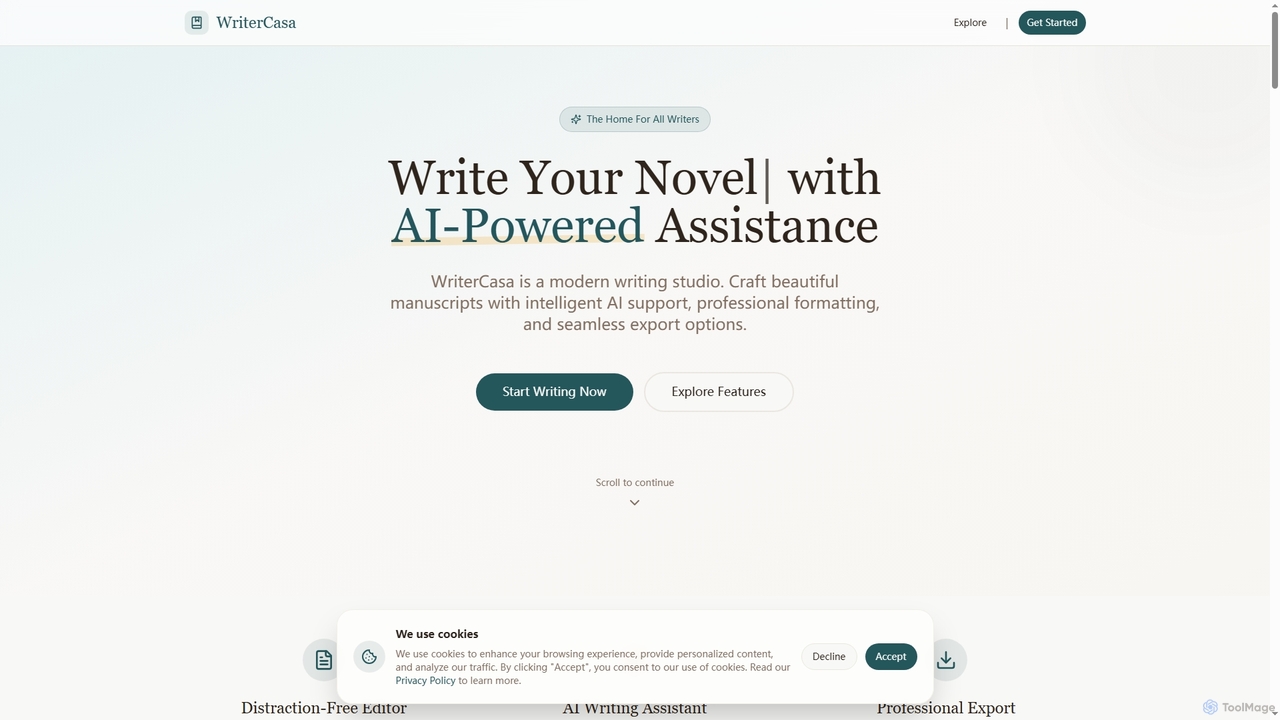
WriterCasa

WriterCasa is an AI-powered book writing studio designed for authors to craft beautiful manuscripts with intelligent assistance. It offers a distraction-free editor, context-aware AI writing suggestions, real-time grammar checking, and professional export options. Additionally, it features an AI Book Cover Studio to design stunning covers in seconds, making it a comprehensive tool for aspiring and established writers.

Writing Assistant
Visits 4.1KFavorites 142Likes 151
Paid

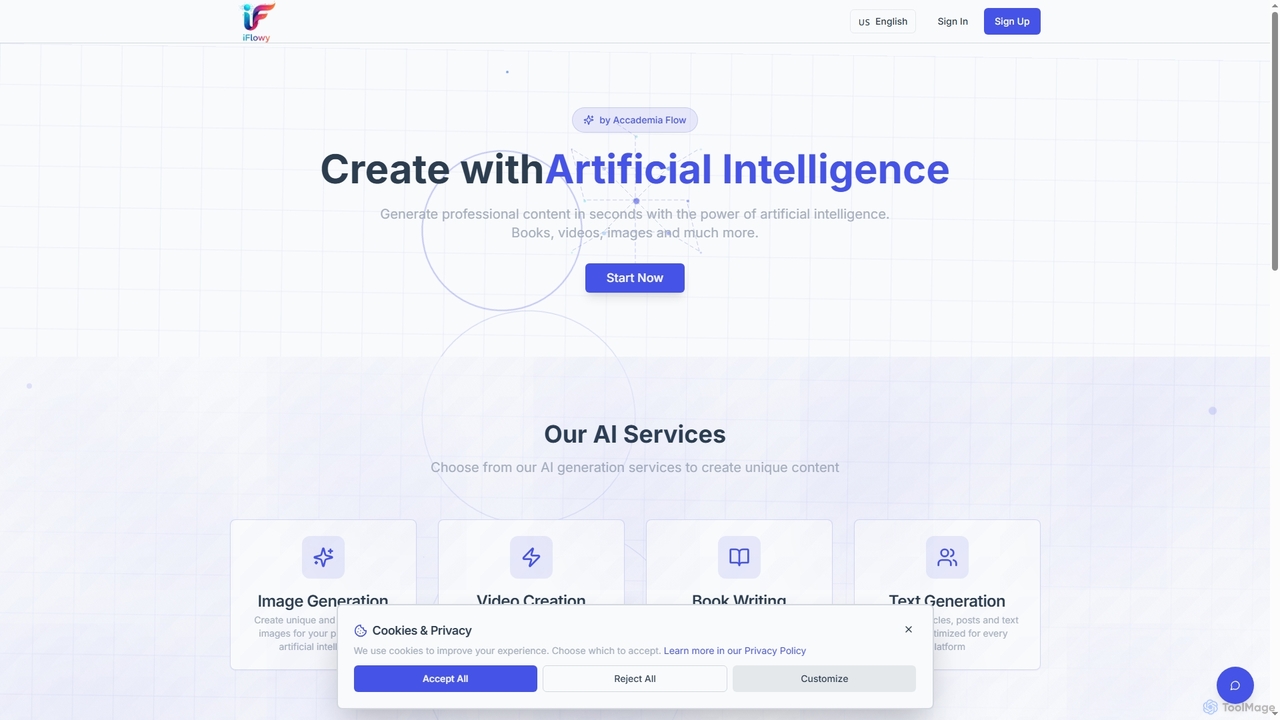
Iflowy

Iflowy is an AI-powered platform designed for the automatic creation of professional content, specializing in coloring books, children's books, images, and videos. It streamlines the content creation process for platforms like Amazon KDP and Etsy, turning ideas into publishable material in minutes.

Image Generation
Visits 4.2KFavorites 110Likes 108

About Publishing

AI Publishing tools are a class of software that leverages artificial intelligence to automate and optimize the entire content lifecycle, from creation to distribution and analysis. These tools utilize technologies like Natural Language Generation (NLG) and machine learning to format content for various platforms, schedule posts, and track performance. They enable content creators, marketers, and media companies to scale production, maintain brand consistency, and deliver targeted content across multiple channels with high efficiency.

Core Features

  • Automated Content Distribution: Schedules and posts content across multiple platforms like blogs, social media, and newsletters automatically.
  • Multi-Channel Formatting: Adapts a single piece of content into optimal formats for different channels (e.g., blog post to Twitter thread).
  • Performance Analytics: Tracks key metrics such as engagement, reach, and conversions to provide actionable insights on content strategy.
  • Content Curation & Aggregation: Discovers and gathers relevant third-party content to supplement original programming.
  • SEO Optimization Suggestions: Analyzes content and provides recommendations for improving search engine visibility before publication.

Use Cases

AI Publishing tools are widely used by digital marketing agencies, corporate communications teams, and online media outlets. For instance, a marketing team can use these tools to manage a complex social media calendar, ensuring timely posts across platforms. A news organization can automate the distribution of articles to various syndication partners and social channels simultaneously.

How to Choose

When selecting an AI Publishing tool, consider the platforms it integrates with (e.g., WordPress, HubSpot, all major social networks). Evaluate the depth of its analytics and reporting capabilities. Assess its content formatting and repurposing features to ensure they match your workflow. Finally, consider the user interface's ease of use and the scalability of its pricing model as your content needs grow.

Featured tool rankings

Publishing use cases

1

Automate Social Media Content Calendars

A social media manager for a B2B tech company is tasked with maintaining a consistent presence across LinkedIn, Twitter, and a company blog. Using an AI Publishing tool, they upload a single in-depth whitepaper. The tool automatically extracts key points and generates a month's worth of content: five detailed blog posts, 20 LinkedIn updates with professional imagery, and 30 concise tweets with relevant hashtags. The platform then schedules all this content according to a pre-set calendar, saving the manager over 20 hours of manual work per month and increasing post frequency by 300%.

2

Syndicate News Articles Across Multiple Outlets

A digital news agency needs to distribute its breaking news articles to dozens of partner websites and platforms instantly. They integrate an AI Publishing tool into their CMS. Once an editor approves an article, the tool automatically reformats it for each partner's specific requirements (e.g., different image sizes, headline lengths, XML formats). It then pushes the content to all outlets simultaneously via API. The platform's analytics dashboard provides a consolidated view of a story's performance across the entire network, showing which partners are driving the most traffic.

3

Manage Internal Corporate Communications

An HR department at a large corporation needs to send out weekly newsletters, policy updates, and company-wide announcements. They use an AI Publishing platform to manage this workflow. The platform provides templates for different communication types. An HR specialist drafts the content, and the AI suggests readability improvements and ensures brand voice consistency. The tool then distributes the message through the appropriate channels—email for the newsletter, the company intranet for policy updates, and Slack for urgent announcements—and tracks open and click-through rates for each.

4

Scale E-commerce Content Across Marketplaces

An online retailer sells products on their own website, Amazon, and eBay. Each platform has different requirements for titles, descriptions, and image formatting. The retailer uses an AI Publishing tool connected to their product information management (PIM) system. For each new product, the tool generates three distinct sets of marketing copy, each optimized for the specific rules and SEO best practices of the target marketplace. It then automatically publishes the listings to all three platforms, ensuring consistency while maximizing visibility on each channel.

5

Repurpose Webinars into Blog and Social Content

A marketing team hosts a monthly one-hour webinar. To maximize its value, they upload the video recording to an AI Publishing platform. The tool transcribes the entire webinar, identifies the most compelling segments, and generates a series of five SEO-friendly blog posts based on the key topics discussed. It also creates 15 short video clips with captions, perfectly formatted for LinkedIn and Instagram Reels. This process turns a single live event into a month's worth of high-quality, multi-format content, extending its reach and engagement significantly.

6

Localize Global Marketing Campaigns

A global software company is launching a new product in five different countries. The central marketing team creates a core campaign message and assets. They use an AI Publishing platform with localization features. The tool translates the copy, adapts cultural references, and reformats visuals for each target market. It then schedules the localized campaigns to go live simultaneously across regional social media accounts and blogs, ensuring a consistent yet culturally relevant global launch. The platform's analytics provide a side-by-side comparison of campaign performance in each region.

Publishing FAQ

What are AI Publishing tools?

AI Publishing tools are software platforms that use artificial intelligence to automate and streamline the content distribution and management process. Unlike tools that only focus on writing, publishing tools handle the entire post-creation workflow. Key functions include scheduling content across multiple channels, automatically reformatting it for different platforms, and analyzing its performance to provide strategic insights. They are designed to help marketing teams, media companies, and creators manage high volumes of content efficiently.

How to choose the right AI Publishing tool?

Choosing the right tool depends on your specific workflow. Consider these factors:

  • Integrations: Does it connect seamlessly with your CMS (WordPress, etc.), social media accounts, and other marketing tools?
  • Analytics Depth: Does it provide basic metrics (likes, shares) or deeper insights like conversion tracking and audience demographics?
  • Content Repurposing: Can it effectively transform one content format into another (e.g., video to text)?
  • Automation Level: How much of the process can be automated? Look for features like smart scheduling and content curation.
  • User Interface: Is the platform intuitive and easy for your team to adopt?
What is the difference between an AI Writer and an AI Publishing tool?

The primary difference lies in their scope. An AI Writer focuses specifically on content generation—drafting articles, emails, or social media posts from a prompt. An AI Publishing tool covers the entire workflow after content is created. It handles scheduling, multi-platform distribution, content repurposing, and performance analytics. While some publishing platforms include AI writing features, their main purpose is to manage and optimize the distribution of content, not just create it.

Who can benefit most from AI Publishing tools?

AI Publishing tools are most beneficial for professionals and teams who manage a high volume of content across multiple channels. Key users include:

  • Content Marketing Teams: To scale content production and ensure consistent messaging across blogs, social media, and email.
  • Digital Marketing Agencies: To manage content calendars and reporting for multiple clients efficiently.
  • Media Companies & Publishers: To automate the distribution of articles and videos to various platforms and partners.
  • E-commerce Businesses: To publish and update product information consistently across different online marketplaces.
Can AI Publishing tools guarantee better content performance?

AI Publishing tools can significantly improve the efficiency and consistency of your distribution, which often leads to better performance, but they do not guarantee it. Success still depends heavily on the quality and relevance of the core content. These tools provide data and automation to help you make better strategic decisions, such as posting at optimal times or identifying high-performing topics. However, they are amplifiers of your strategy, not a replacement for it. A strong content strategy combined with an effective AI publishing tool yields the best results.