Best of the Year 5 results Quality Assurance AI Tools

Popular AI tools in the Quality Assurance field include Fowel、TestPlan、Verdic、Scematics、SandTest, etc., helping you quickly improve efficiency.

Fowel

Fowel

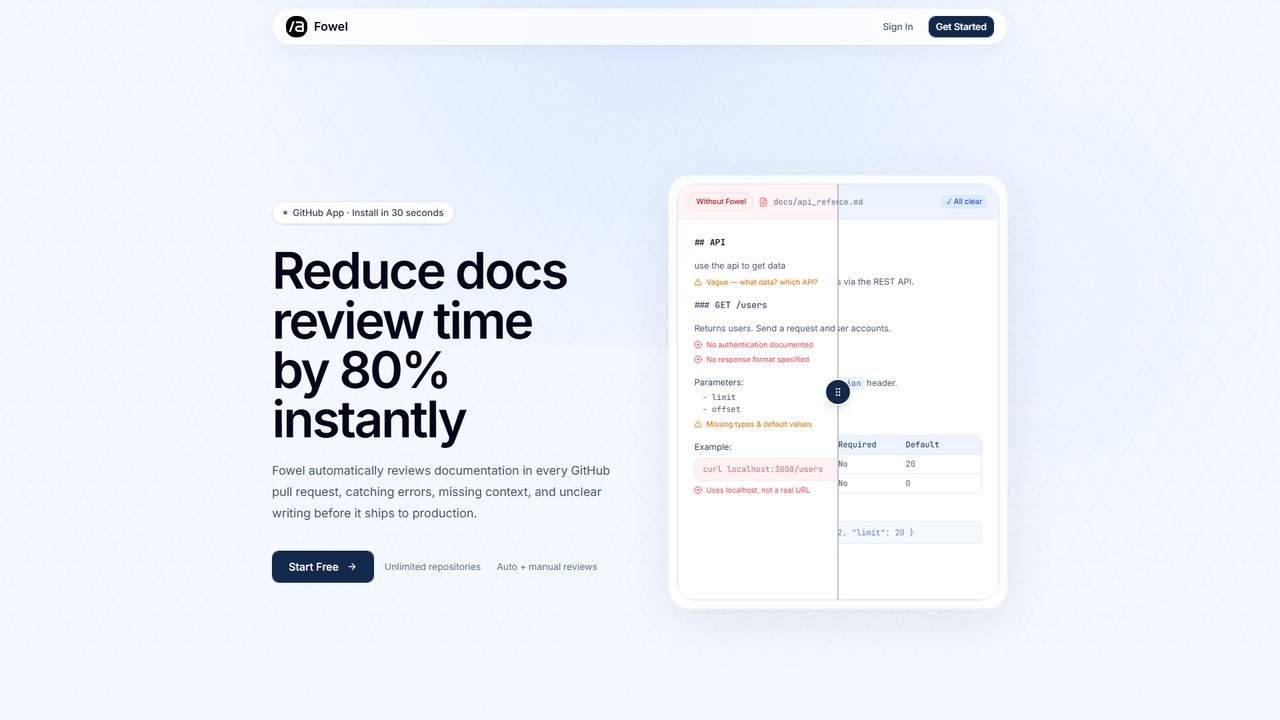
Fowel is a GitHub App that automates documentation review for pull requests. It scans Markdown and MDX files, …

13.3K
Verdic

Verdic

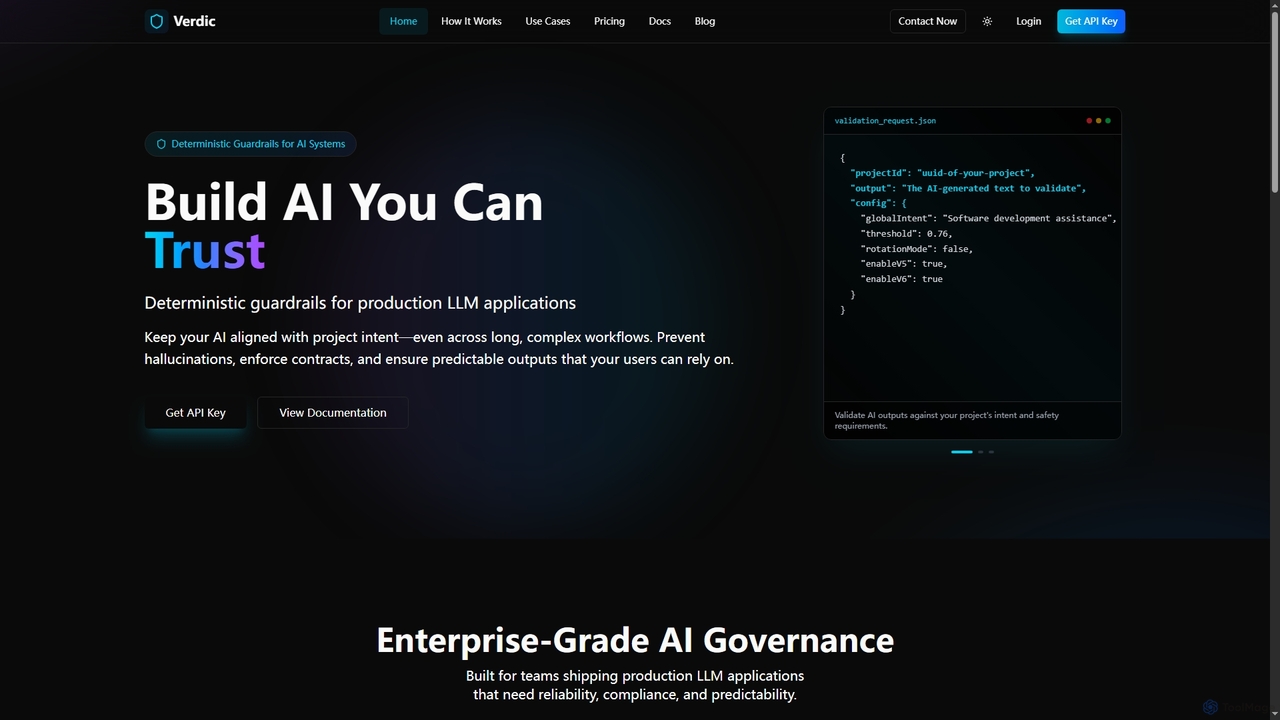
Verdic provides trust infrastructure and deterministic guardrails for production LLM applications, ensuring AI outputs are predictable, safe, and …

2.8K
SandTest

SandTest

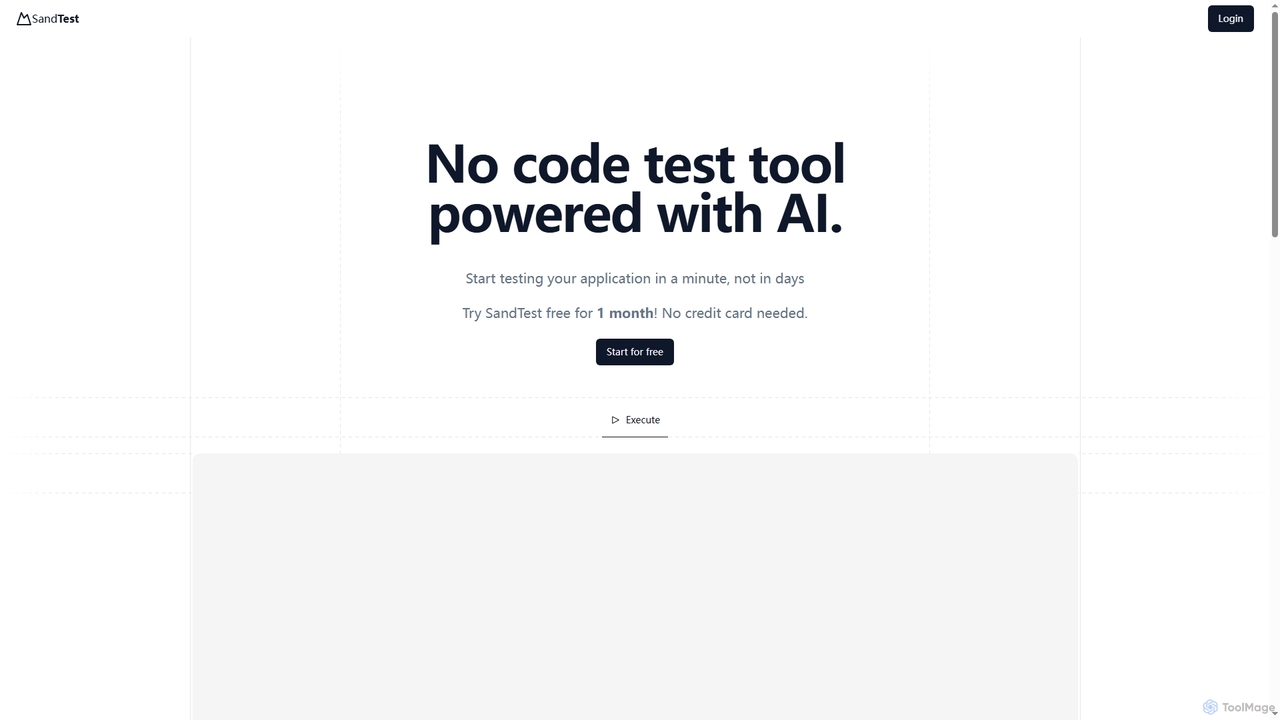
SandTest is an AI-powered, no-code test automation tool designed to help businesses validate their applications rapidly. It enables …

2.7K
TestPlan

TestPlan

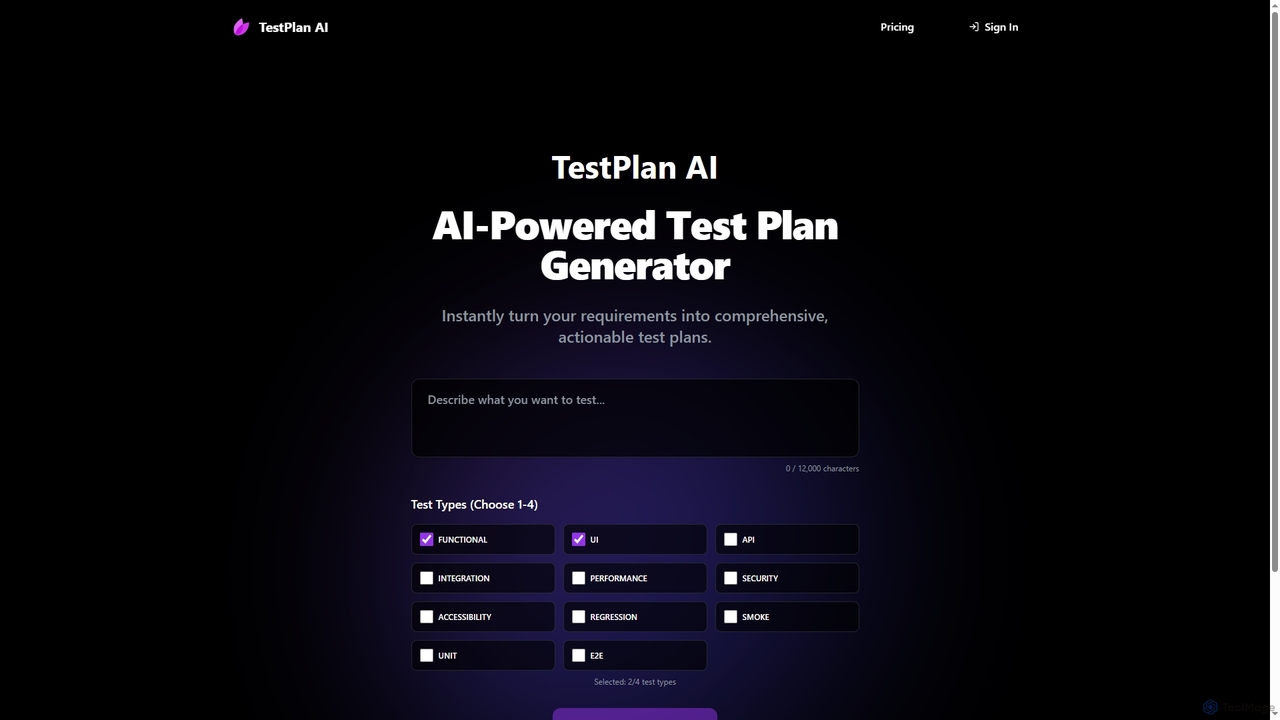
TestPlan is a powerful, AI-powered tool designed to instantly transform project requirements into comprehensive, actionable test plans and …

3.2K
Scematics

Scematics

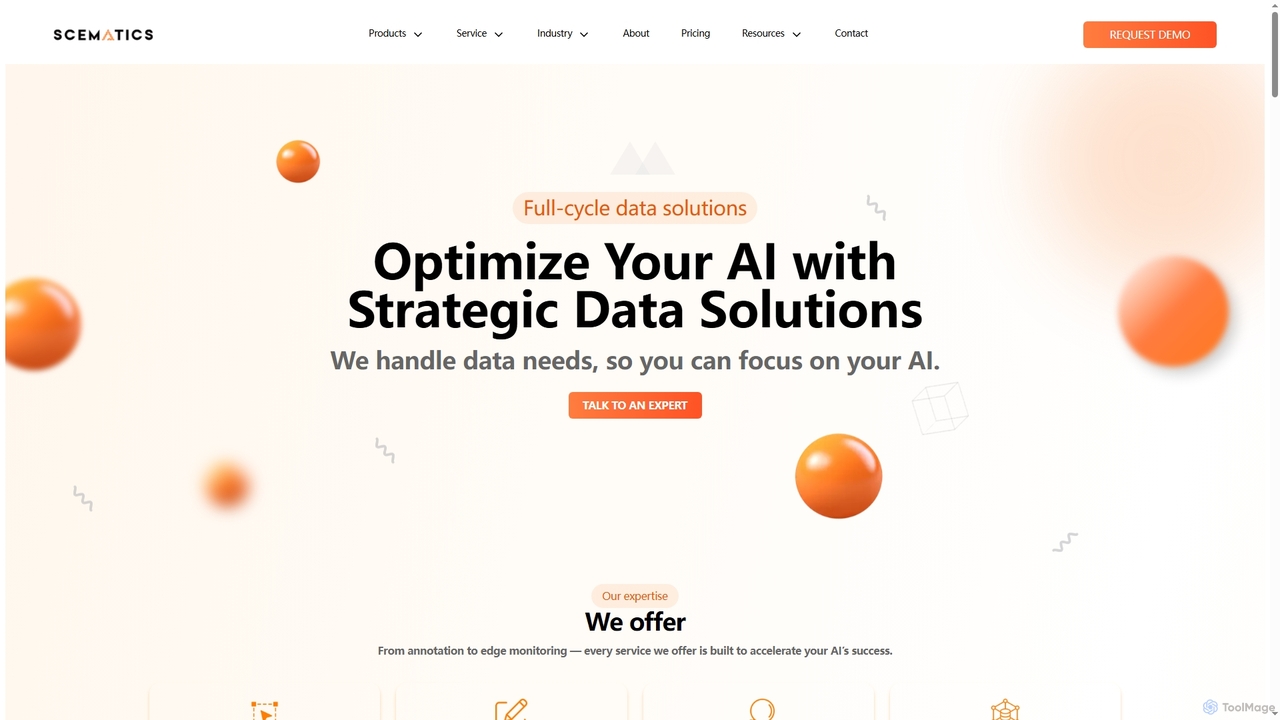
Scematics is an all-in-one data annotation and labeling platform that provides strategic data solutions to optimize AI models. …

2.7K

About Quality Assurance

Quality Assurance AI tools are a class of intelligent solutions designed to enhance the reliability, performance, and security of software applications. Leveraging machine learning, natural language processing, and computer vision, these tools automate and optimize various stages of the testing lifecycle, from test case generation to defect prediction and performance monitoring. They empower development and QA teams to identify issues earlier, accelerate release cycles, and deliver higher-quality products with reduced manual effort and increased test coverage.

Core Features

  • Automated Test Case Generation: AI algorithms analyze requirements and existing code to automatically create comprehensive and optimized test cases.
  • Defect Prediction & Detection: Machine learning models identify patterns in code and historical data to predict potential defects and pinpoint anomalies in real-time.
  • Performance & Load Testing Analysis: AI monitors application behavior under various loads, identifying bottlenecks and performance degradation before deployment.
  • Intelligent Test Data Management: Tools generate realistic, diverse, and privacy-compliant test data, reducing the need for manual data creation.
  • Code Quality & Security Analysis: AI scans codebases for vulnerabilities, compliance issues, and adherence to coding standards.

Use Cases

AI Quality Assurance tools are widely adopted across the software development lifecycle. They are crucial for agile development teams seeking to integrate continuous testing into their CI/CD pipelines, ensuring rapid feedback and early bug detection. Enterprises use them for large-scale application testing, including web, mobile, and API testing, to maintain high standards of product quality and user experience. Furthermore, they assist in validating complex systems where manual testing would be prohibitively time-consuming or error-prone.

How to Choose

When selecting AI Quality Assurance tools, consider their integration capabilities with your existing development and testing ecosystem (e.g., CI/CD platforms, bug trackers). Evaluate the range of testing types supported, such as functional, performance, security, and accessibility testing, to ensure comprehensive coverage. Assess the tool's scalability to handle your project's growth and its reporting features for actionable insights. Finally, factor in the ease of adoption, user interface, and the level of technical expertise required for implementation and maintenance.

Quality AssuranceUse Cases

1

Automated UI/UX Regression Testing

QA engineers can utilize AI tools to automatically execute regression tests across various user interfaces and experiences after each code update. The AI learns expected behaviors, detects visual discrepancies, and flags functional regressions, significantly reducing the manual effort and time required to ensure consistent user experience and design integrity across different devices and browsers.

2

Proactive Defect Prediction in Code

Developers integrate AI QA tools into their development environment to analyze code commits and pull requests in real-time. The AI leverages historical data and code patterns to predict potential defects, security vulnerabilities, or performance issues before they even reach the testing phase. This allows for early intervention, reducing the cost and complexity of bug fixes.

3

Performance Bottleneck Identification

DevOps teams deploy AI-powered performance testing tools to simulate high user loads and monitor application behavior. The AI automatically identifies performance bottlenecks, memory leaks, or inefficient database queries by analyzing metrics across the entire system. This enables teams to optimize application performance and scalability before critical issues impact end-users.

4

Intelligent Test Data Generation

Testers often struggle with creating realistic and diverse test data. AI QA tools can generate synthetic test data that mimics production data characteristics while ensuring privacy compliance. This allows for comprehensive testing of various scenarios, including edge cases, without exposing sensitive information, accelerating test setup and improving test coverage.

5

API Endpoint Validation and Monitoring

Backend developers and QA teams use AI tools to automatically validate the functionality, performance, and security of API endpoints. The AI can generate API test cases, monitor API health in real-time, and detect deviations from expected behavior or performance thresholds. This ensures the reliability and robustness of microservices and integrated systems.

6

Accessibility Compliance Testing

Product teams and accessibility specialists employ AI QA tools to automatically scan web and mobile applications for adherence to accessibility standards (e.g., WCAG). The AI identifies issues like missing alt text, insufficient color contrast, or improper keyboard navigation, providing actionable recommendations to ensure the application is usable by individuals with disabilities.

Quality AssuranceFrequently Asked Questions