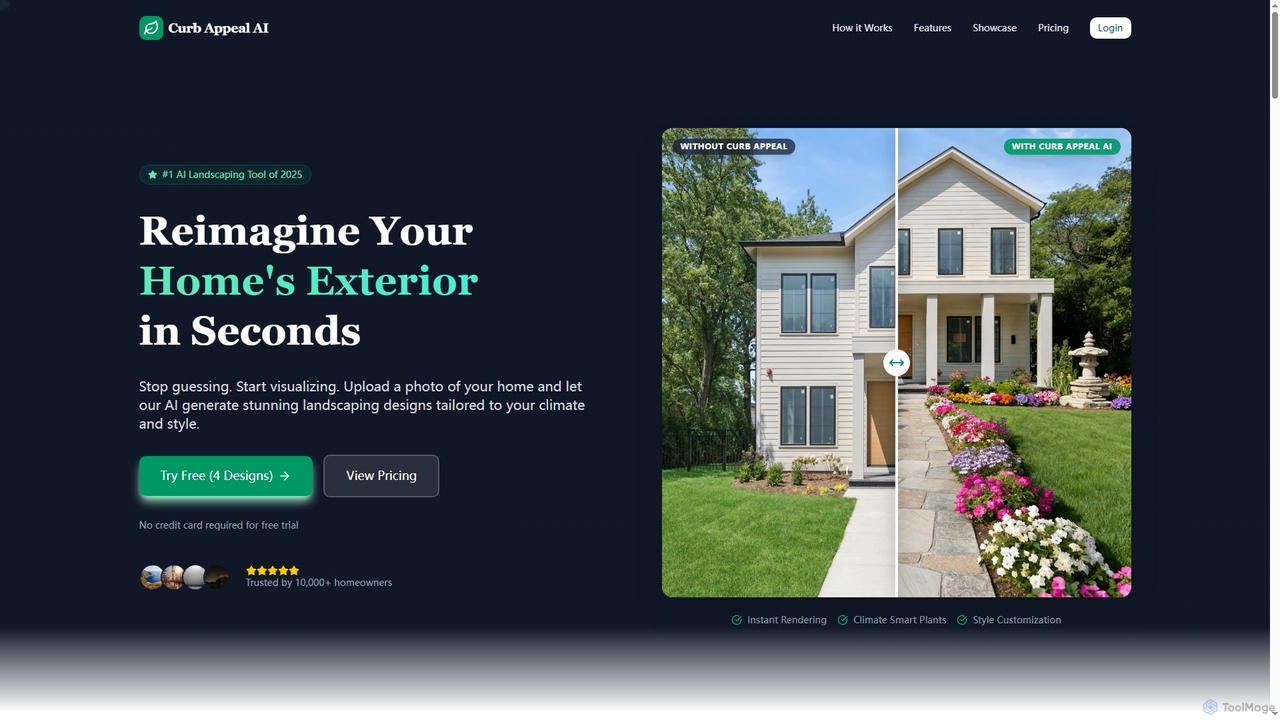
Curb Appeal AI
Curb Appeal AI is an innovative AI-powered landscape design tool that allows homeowners and professionals to instantly visualize …
Curb Appeal AI is an innovative AI-powered landscape design tool that allows homeowners and professionals to instantly visualize exterior home transformations. By simply uploading a photo, users can generate stunning, climate-smart landscaping designs in over 20 styles, saving time and money on initial concepts.

ClipNList
ClipNList is an AI-powered tool designed to transform property photos into professional walkthrough videos in seconds. It helps …
ClipNList is an AI-powered tool designed to transform property photos into professional walkthrough videos in seconds. It helps real estate agents, property managers, and hosts create engaging video tours to enhance their listings, attract more viewers, and secure faster bookings.

Marketer
Marketer is an AI-powered marketing platform designed for the real estate and e-commerce industries. It automates digital advertising, …
Marketer is an AI-powered marketing platform designed for the real estate and e-commerce industries. It automates digital advertising, creates stunning 3D visualizations for properties, and provides data-driven insights to optimize campaigns, boost sales, and maximize ROI on ad spend.
About Property Marketing
AI Property Marketing tools are a specialized category of real estate software that automates and enhances the promotion of properties for sale or rent. These tools utilize machine learning and generative AI to create compelling listing descriptions, produce virtual staging, and optimize advertising campaigns. This enables agents, brokers, and developers to attract qualified leads more efficiently, reduce marketing costs, and accelerate the sales cycle. Many platforms also offer predictive analytics to identify high-intent buyers and personalize outreach.
Core Features
- AI Listing Description Generation: Automatically writes persuasive, SEO-friendly property descriptions from basic data points like features, location, and size.
- Virtual Staging and Renovation: Uses AI to digitally furnish empty rooms or visualize renovations, helping buyers imagine a property's potential.
- Predictive Lead Scoring: Analyzes user behavior and demographic data to rank potential buyers by their likelihood to purchase.
- Automated Ad Campaign Management: Creates, targets, and optimizes digital ad campaigns on social media and search engines to maximize reach and ROI.
- AI-Enhanced Photo Editing: Improves property photos through automated adjustments like sky replacement, lighting correction, and object removal.
Use Cases
These tools are primarily used by real estate agencies, property developers, and in-house marketing teams. For instance, an agent can instantly generate ten unique descriptions for a new listing to use across different platforms. A developer can create a fully staged virtual tour of an unfinished building to begin pre-sales activities. Marketing managers use them to automate social media ad targeting to reach specific buyer personas.
How to Choose
When selecting an AI Property Marketing tool, consider its integration capabilities with your existing CRM and MLS systems. Evaluate the quality and realism of its visual generation features, such as virtual staging. Assess the accuracy of its data analytics and lead scoring models. Finally, compare pricing structures—whether it's a per-listing fee, a monthly subscription, or based on features used—to find a solution that aligns with your business volume and budget.
Property MarketingUse Cases
Generate Compelling Property Listings in Minutes
A real estate agent managing multiple new properties can use an AI tool to instantly create unique, engaging, and SEO-optimized descriptions. By inputting key data like square footage, number of bedrooms, amenities, and neighborhood highlights, the AI generates several distinct narrative styles. This process reduces the time spent on copywriting from hours to minutes, ensures consistency across all listings, and helps properties rank higher in online searches, attracting more potential buyers from the outset.
Create Virtual Staging for Vacant Properties
A property developer looking to market an unfurnished apartment complex can upload photos of the empty units to an AI virtual staging tool. The tool automatically furnishes the spaces in various design styles (e.g., modern, Scandinavian, traditional). This allows potential buyers to visualize the property as a lived-in home, increasing emotional connection and perceived value. It eliminates the high cost and logistical challenges of physical staging, while providing versatile marketing assets for websites, brochures, and social media.
Optimize Digital Ad Spend with Predictive Targeting
A marketing manager for a real estate brokerage can use an AI platform to run more effective social media ad campaigns. The tool analyzes market data and online user behavior to identify audiences most likely to be interested in a specific type of property (e.g., luxury condos, suburban family homes). It then automatically allocates the ad budget to the most promising channels and demographics, continuously optimizing for clicks and conversions. This data-driven approach significantly improves return on investment (ROI) compared to traditional, broad-based advertising.
Enhance Property Photos with AI Editing
A real estate photographer can use AI-powered editing tools to quickly improve a large batch of property photos. Instead of manually adjusting each image, the software can automatically perform tasks like replacing a grey, overcast sky with a bright blue one, correcting lens distortion, and enhancing interior lighting to make rooms look more inviting. This saves significant post-production time and ensures a consistent, high-quality look across the entire photo gallery, making the property more appealing to online viewers.
Automate Personalized Email Follow-ups to Leads
A busy real estate team can use an AI marketing tool to automate communication with incoming leads from their website or property portals. The AI can analyze a lead's inquiry (e.g., interest in a 3-bedroom house in a specific school district) and send an automated, personalized email with more details and similar listings. It can also schedule follow-up emails over time, keeping the lead engaged without manual intervention. This ensures prompt and relevant communication, increasing the chances of converting a lead into a client.
Analyze Market Trends for Pricing Strategy
A real estate analyst or broker can leverage AI tools to inform their pricing strategy for a new listing. The platform can analyze vast amounts of data, including recent comparable sales (comps), local market velocity, neighborhood amenities, and even macroeconomic indicators. It then provides a data-backed suggested price range, highlighting key factors influencing the valuation. This helps agents set competitive yet realistic prices, justify their recommendations to sellers, and attract serious offers more quickly.