Citizn
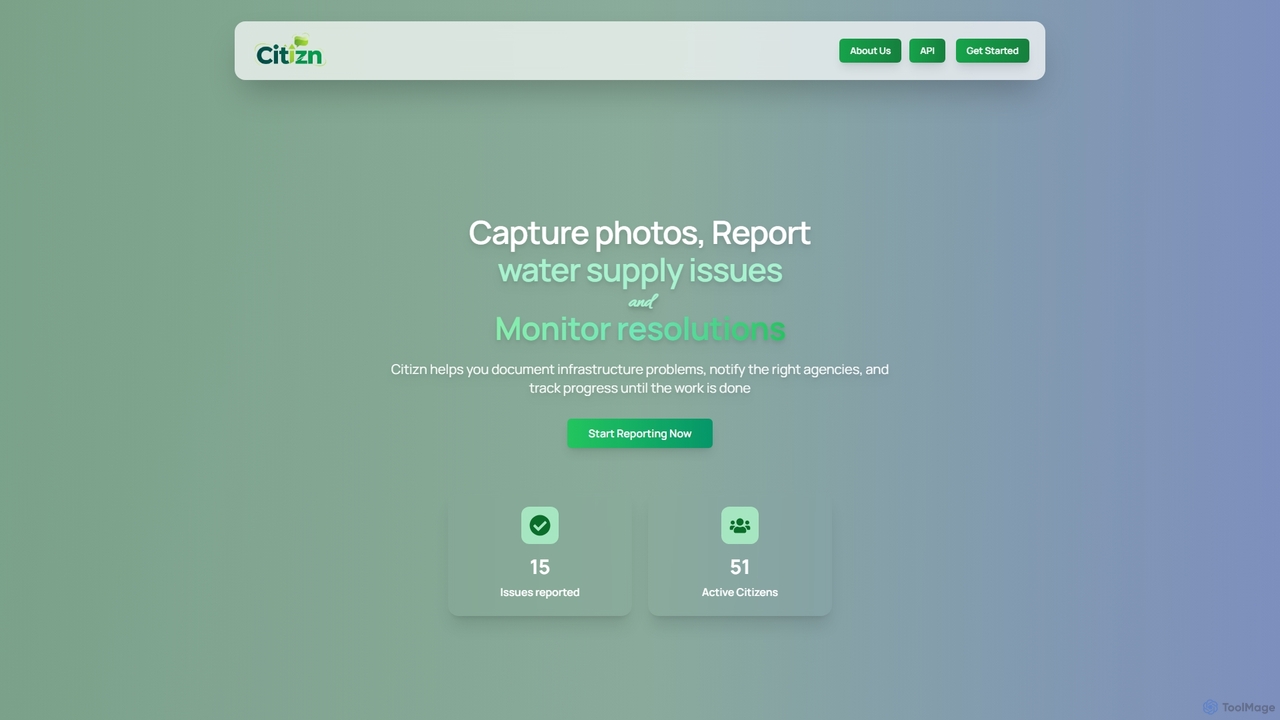
Citizn is a civic engagement platform empowering citizens to report local infrastructure problems like bad roads or water …
Citizn is a civic engagement platform empowering citizens to report local infrastructure problems like bad roads or water supply issues. Users can capture photos, submit reports to relevant agencies, and track the resolution process, fostering community accountability and transparency.

EasyAIBridge
EasyAIBridge transforms your spreadsheets into instant, actionable insights using advanced AI. Simply type your questions in natural language, …
EasyAIBridge transforms your spreadsheets into instant, actionable insights using advanced AI. Simply type your questions in natural language, and AI automatically generates charts, reports, and data extractions from Google Sheets, Excel, and CSV files, making complex data analysis effortless and secure.
Searchify
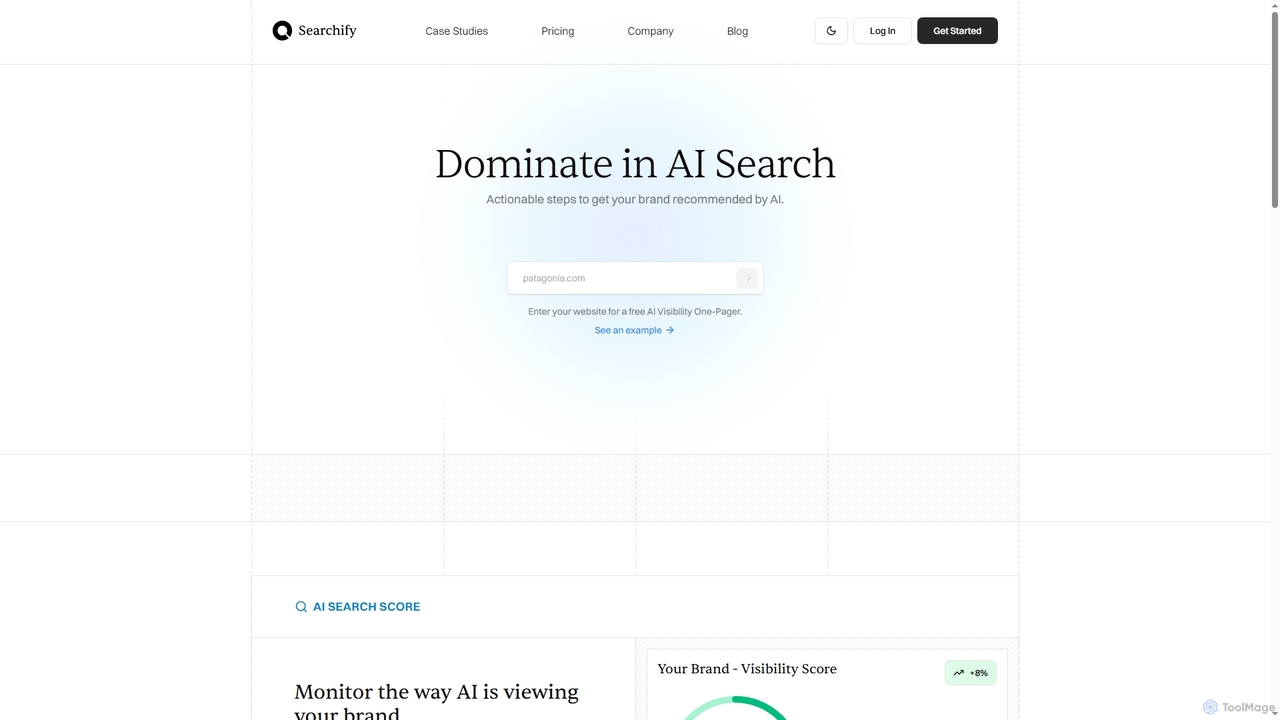
Searchify is an AI visibility platform that helps brands get recommended by major AI search engines like ChatGPT, …
Searchify is an AI visibility platform that helps brands get recommended by major AI search engines like ChatGPT, Google AI Overview, Perplexity, and Claude. It provides actionable insights and tools to optimize content and improve brand presence in generative AI responses.
NexDatawork
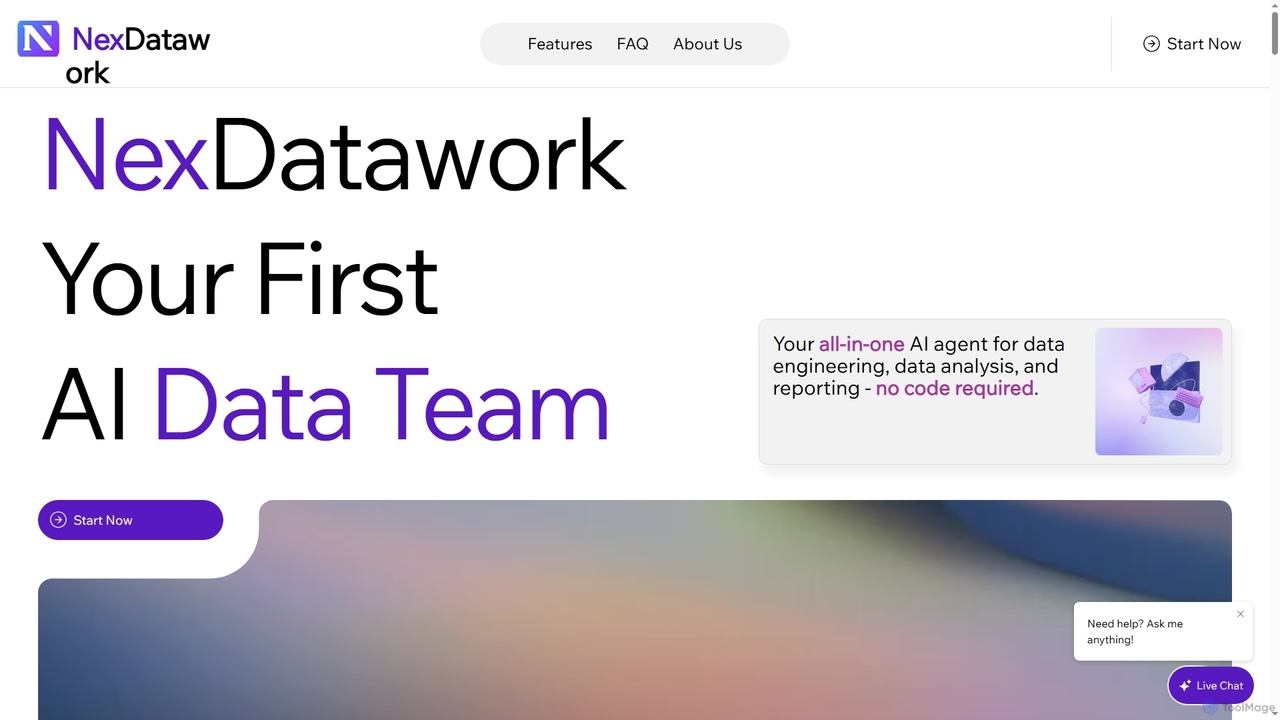
NexDatawork is an all-in-one AI data agent designed for data engineering, analysis, and reporting, requiring no code. It …
NexDatawork is an all-in-one AI data agent designed for data engineering, analysis, and reporting, requiring no code. It transforms raw data into actionable insights, automates workflows, and generates comprehensive reports, empowering individuals and teams to make data-driven decisions faster and more efficiently.
About Reporting
AI Reporting tools are applications that leverage artificial intelligence to automate the creation, analysis, and distribution of business reports. They utilize technologies like Natural Language Generation (NLG) and machine learning to transform raw data into understandable narratives, visualizations, and actionable insights. These tools streamline the reporting process, enabling organizations to quickly generate detailed performance reviews, market analyses, and financial summaries without extensive manual effort. This allows teams to focus on strategic decision-making rather than data compilation.
Core Features
- Automated Data Integration: Connects to multiple data sources to consolidate information automatically.
- Natural Language Generation (NLG): Generates human-like text summaries and explanations from data sets.
- Predictive Forecasting: Analyzes historical data to project future trends and outcomes.
- Intelligent Visualization: Recommends and creates optimal charts and graphs to represent data effectively.
- Anomaly Detection: Automatically identifies and highlights significant deviations or unusual patterns in data.
Use Cases
These tools are widely used across various departments such as marketing, sales, finance, and operations. For instance, marketing teams use them to generate automated campaign performance reports, while finance departments produce quarterly earnings summaries with AI-generated insights. They are valuable for any role that requires regular data analysis and presentation.
How to Choose
When selecting an AI Reporting tool, consider its data source compatibility and integration capabilities. Evaluate the sophistication of its NLG and predictive analytics features. Assess the level of customization available for report templates and dashboards. Also, consider the user interface's ease of use for non-technical users and the tool's ability to schedule and automate report distribution.
ReportingUse Cases
Automate Weekly Marketing Campaign Reports
A digital marketing manager needs to provide weekly performance reports to clients, covering metrics from Google Analytics, Facebook Ads, and email platforms. Using an AI Reporting tool, they connect these data sources once. The tool then automatically pulls the latest data each week, analyzes key performance indicators (KPIs) like conversion rates and cost-per-acquisition, and generates a comprehensive report. The report includes AI-written summaries explaining performance trends, highlighting successful ad creatives, and suggesting budget reallocations. This process reduces report creation time from hours to minutes, ensuring consistent and insightful client communication.
Generate Quarterly Financial Performance Summaries
A financial analyst is tasked with creating a quarterly earnings report for the board of directors. This involves consolidating data from accounting software, sales CRMs, and market data providers. An AI Reporting tool automates this data aggregation. It then analyzes revenue growth, profit margins, and expenses against historical data and forecasts. The tool's NLG feature generates a narrative summary that highlights key financial achievements, identifies areas of concern, and explains variances from the budget. This allows the analyst to focus on strategic analysis and recommendations rather than manual data crunching and report writing.
Track Sales Team Performance and Forecasts
A sales manager needs to monitor their team's performance against monthly quotas. An AI Reporting tool connects directly to the company's CRM. It automatically generates a weekly report that visualizes key metrics like deals closed, pipeline value, and sales cycle length for each team member. The tool uses predictive analytics to forecast the likelihood of meeting the monthly target based on current pipeline activity. It also provides AI-generated insights, such as identifying top-performing reps or highlighting deals that are at risk of stalling, enabling the manager to provide targeted coaching and support.
Monitor Supply Chain and Operations Metrics
An operations manager for an e-commerce company needs to track key supply chain metrics like inventory levels, order fulfillment times, and shipping costs. By connecting their inventory management system and logistics software to an AI Reporting tool, they receive a daily dashboard with automated insights. The tool's anomaly detection feature can flag a sudden spike in shipping delays from a specific carrier or unusually low stock for a popular product. The AI-generated summary provides a quick overview of operational health, allowing the manager to proactively address bottlenecks before they impact customer satisfaction.
Analyze HR Data for Employee Engagement Insights
An HR department wants to understand trends in employee turnover and satisfaction. They use an AI Reporting tool to connect data from their HRIS, employee survey platforms, and performance management systems. The tool generates a quarterly report that analyzes turnover rates by department, tenure, and performance level. It also uses sentiment analysis on survey comments to provide qualitative insights. The AI-generated narrative can highlight correlations, such as a link between low engagement scores in a specific team and its higher attrition rate, providing actionable data for HR to develop targeted retention strategies.
Create Executive Business Review (EBR) Presentations
A leadership team prepares for a monthly executive business review. Instead of having multiple department heads manually create slides, they use an AI Reporting tool. The tool integrates data from sales, marketing, finance, and operations to generate a cohesive presentation. It automatically creates charts for key metrics, writes summaries for each department's performance, and highlights progress against company-wide OKRs. This ensures data consistency across the presentation and frees up the leadership team's time to focus on discussing strategy and making informed decisions during the meeting.