
Marketing Best in category 1 results Ai Search Optimization AI Tool

Popular AI tools in the Ai Search Optimization field of Marketing include Searchify, etc., helping you quickly improve efficiency.

Searchify

Searchify

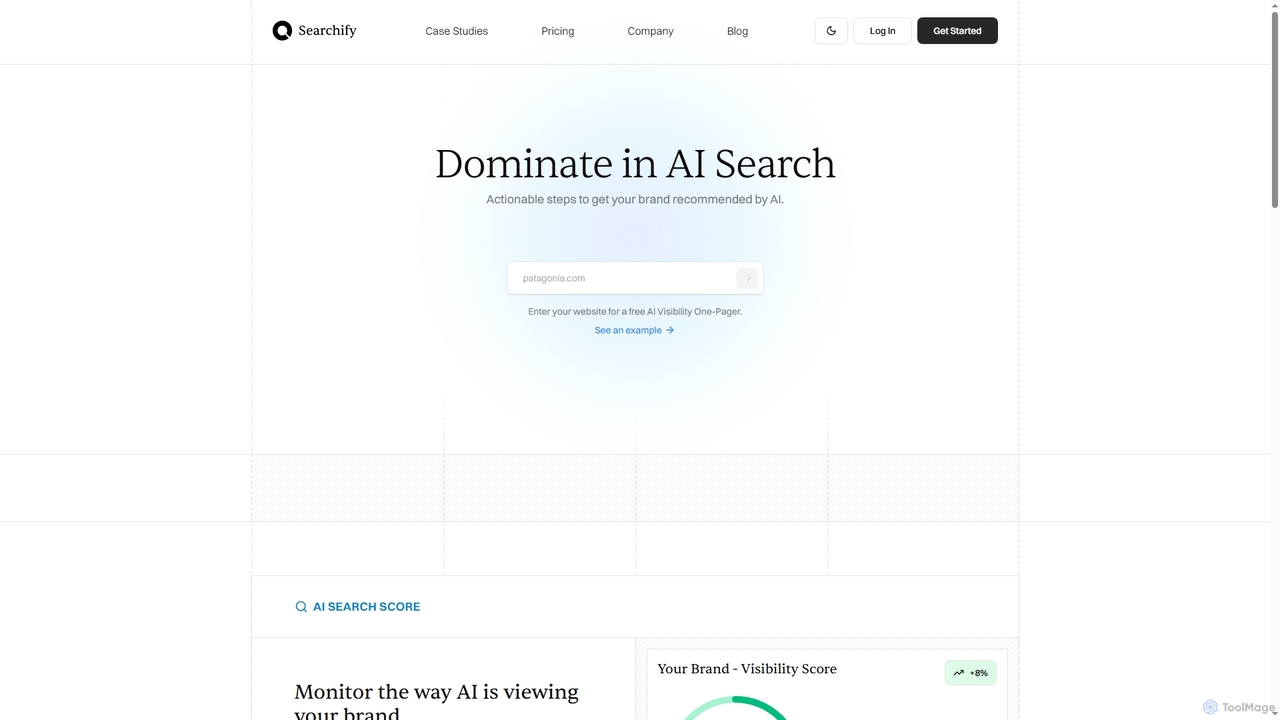
Searchify is an AI visibility platform that helps brands get recommended by major AI search engines like ChatGPT, …

4.3K

About Ai Search Optimization

AI Search Optimization tools leverage artificial intelligence to significantly enhance search engine visibility and performance. These platforms utilize advanced machine learning algorithms to analyze vast amounts of search data, predict emerging trends, and automate various complex SEO tasks. They empower marketers to create highly relevant and engaging content, optimize technical website aspects, and understand user search intent with unprecedented depth, ultimately driving organic traffic and improving search rankings more efficiently than traditional methods.

Core Features

  • AI-powered Keyword Research: Discover high-potential keywords, analyze search intent, and identify long-tail opportunities with intelligent algorithms.
  • Content Generation & Optimization: Assist in drafting SEO-friendly content, optimizing existing text for relevance, readability, and semantic understanding.
  • Predictive SEO Analytics: Forecast search trends, identify ranking opportunities, and anticipate algorithm changes before they impact performance.
  • Technical SEO Auditing: Automatically identify and suggest fixes for technical issues impacting search performance, such as crawl errors or site speed.
  • Competitor Analysis: Gain deep insights into competitor strategies, keyword rankings, and content gaps using AI-driven analysis.

Applicable Scenarios

Digital marketing agencies use AI Search Optimization tools to manage SEO for multiple clients, automating routine tasks like keyword research and content auditing to scale their services. E-commerce businesses leverage these tools to optimize product descriptions and category pages, ensuring their products rank higher in search results and attract more potential buyers. Content creators and bloggers employ AI to generate topic ideas, optimize article structures, and improve content relevance for better organic reach.

How to Choose

When selecting AI Search Optimization tools, consider the breadth of AI capabilities, such as natural language processing for content or machine learning for predictive analytics. Evaluate integration with existing marketing stacks like CMS or analytics platforms. Assess the accuracy and depth of data analysis, ensuring it provides actionable insights. Finally, compare pricing models and the level of support offered, aligning with your team's expertise and budget.

Ai Search OptimizationUse Cases

1

Automating Keyword Research and Clustering

Digital marketers use AI tools to rapidly identify thousands of relevant keywords, group them by semantic similarity, and analyze search intent. This streamlines the initial phase of SEO strategy, allowing teams to focus on high-impact keywords and content themes, significantly reducing manual effort and uncovering opportunities that might be missed by traditional methods.

2

Generating SEO-Optimized Content Briefs

Content teams leverage AI Search Optimization platforms to create detailed content briefs. By analyzing top-ranking pages, AI suggests optimal word count, relevant subheadings, key entities to include, and questions to answer, ensuring new content is structured for maximum search visibility and user engagement from the outset.

3

Predicting Future Search Trends

SEO strategists employ AI to analyze historical search data and current market signals to forecast emerging search trends and seasonal shifts. This enables proactive content planning and campaign adjustments, allowing businesses to capture traffic for topics before competitors, gaining a significant first-mover advantage in dynamic markets.

4

Enhancing Technical SEO Audits

Website administrators and SEO specialists use AI-powered tools to conduct comprehensive technical audits. The AI can quickly scan large websites, identify issues like broken links, crawl errors, duplicate content, and poor page load speeds, and even suggest specific code-level fixes, drastically speeding up the optimization process.

5

Personalizing Search Results for Users

E-commerce platforms integrate AI Search Optimization to personalize internal search results and product recommendations based on individual user behavior and preferences. This not only improves the user experience by showing more relevant items but also boosts conversion rates by guiding users more effectively to desired products.

6

Monitoring Competitor SEO Strategies

Marketing analysts utilize AI tools to continuously monitor competitor websites, keyword rankings, and content updates. AI can detect changes in competitor SEO tactics, identify their top-performing content, and uncover new keyword opportunities they are targeting, providing actionable intelligence for refining one's own strategy.

Ai Search OptimizationFrequently Asked Questions