ToolMage
Sign in

Best 1 Blog AI tools for Resource

Popular Blog AI tools in Resource include COMPROMATH, helping you work more efficiently.

COMPROMATH
Free

COMPROMATH

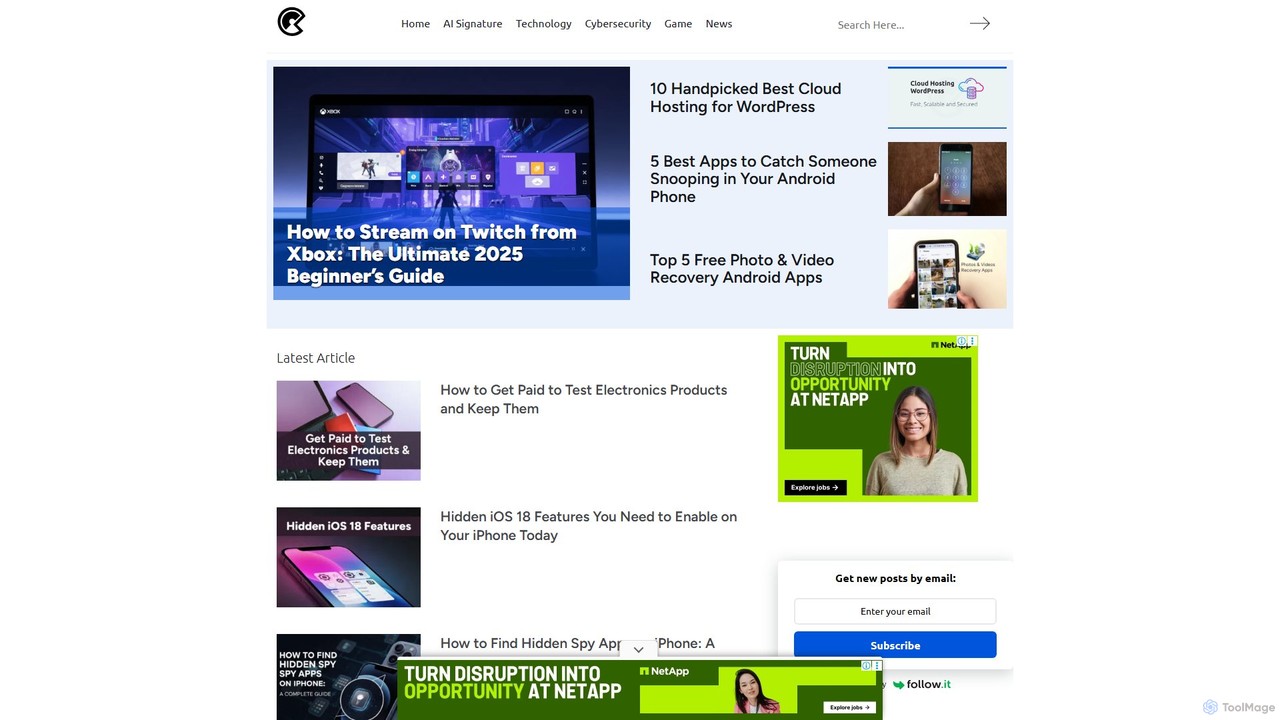
COMPROMATH is a technology resource hub offering a suite of free AI tools, including a signature and logo generator. It also provides in-depth articles, guides, and news on topics like AI, cybersecurity, and gaming, serving as a one-stop platform for tech enthusiasts and creators.

Logo Generator
Visits 28.4KFavorites 94Likes 88

About Blog

AI Blogs are a vital resource featuring articles, tutorials, and expert analysis on artificial intelligence. Authored by researchers, engineers, and industry leaders, they translate complex AI concepts into accessible knowledge. These platforms are essential for staying current with rapid advancements, understanding technical details, and discovering practical applications. Unlike general news outlets, AI blogs provide in-depth perspectives and actionable insights for both professionals and enthusiasts.

Core Features

  • Expert Analysis: In-depth articles from specialists that break down new research, models, and industry trends.
  • Technical Tutorials: Step-by-step guides and code examples for implementing AI algorithms and using specific tools.
  • Case Studies: Real-world examples detailing how companies are successfully applying AI solutions.
  • Industry News & Updates: Curated information on the latest model releases, company announcements, and policy changes.
  • Thought Leadership: Opinion pieces and future-looking articles that explore the societal and ethical implications of AI.

Applicable Scenarios

AI Blogs are invaluable for developers seeking to learn new frameworks, product managers tracking competitive landscapes, and students researching for academic projects. They also serve business leaders who need to understand AI's strategic impact and investors identifying emerging technology trends.

Selection Criteria

When choosing an AI blog to follow, consider the authors' credibility and background, the depth and technical accuracy of the content, the frequency of updates, and the clarity of explanations. Look for blogs that cite sources, provide evidence for their claims, and engage with reader comments or questions.

Featured tool rankings

Blog use cases

1

Keeping Up with AI Industry Trends

For an AI product manager, staying informed about the latest model releases, research breakthroughs, and competitor strategies is crucial. By regularly reading top-tier AI blogs, they can gather intelligence on market direction and emerging technologies. This practice allows them to identify new feature opportunities, anticipate market shifts, and make informed decisions for their product roadmap, ensuring their product remains competitive and relevant.

2

Learning a New AI Technique or Framework

A machine learning engineer wants to learn how to fine-tune a large language model using a new technique like LoRA. They find a technical blog post that provides a detailed, step-by-step tutorial. The post includes theoretical explanations, code snippets, and a link to a sample dataset. By following the guide, the engineer successfully fine-tunes a model for a specific task, gaining a practical skill they can apply to their work projects.

3

Evaluating AI Tools for Business Adoption

A CTO at a mid-sized company is tasked with selecting an AI-powered customer service platform. Instead of relying solely on marketing materials, they consult several reputable AI blogs that feature in-depth reviews and comparison articles. These posts analyze features, pricing, integration capabilities, and performance benchmarks of leading platforms. This expert, third-party analysis helps the CTO create a shortlist and make a well-informed decision that aligns with the company's technical and budgetary requirements.

4

Researching for an Academic Paper

A university student writing a paper on the ethical implications of generative AI needs up-to-date sources. They turn to blogs from established AI research labs and academic institutions. These blogs often publish summaries of new research papers, expert opinions on AI ethics, and discussions on policy. This provides the student with current, credible information that goes beyond traditional textbooks, strengthening their arguments and demonstrating a thorough understanding of the topic.

5

Preparing for a Technical Job Interview

A software developer is preparing for an interview for a Machine Learning Engineer role. To refresh their knowledge, they read blog posts that explain core concepts like transformer architectures, different optimization algorithms, and evaluation metrics in a clear, concise way. They also find articles discussing common interview questions and system design problems. This targeted study helps them build confidence and articulate their understanding of key AI principles during the interview process.

6

Finding Inspiration for a New AI Project

An entrepreneur and AI enthusiast is looking for a new business idea. They browse various AI blogs that showcase innovative applications, experimental projects, and unique use cases. One article about using computer vision for agricultural monitoring sparks an idea. The blog provides enough technical detail and market context for the entrepreneur to begin validating the concept, exploring potential solutions, and drafting an initial business plan, turning inspiration into a tangible project.

Blog FAQ

What are AI Blogs?

AI Blogs are online publications that serve as a key resource for information on artificial intelligence. They feature articles, tutorials, and analysis from experts in the field. Unlike general tech news sites, AI blogs focus specifically on AI-related topics, offering greater depth on subjects like machine learning models, natural language processing, computer vision, and AI ethics. They are essential for anyone looking to gain a deeper, more nuanced understanding of the AI landscape.

How to identify a high-quality AI Blog?

To identify a high-quality AI blog, consider several factors. First, check the author's credibility and expertise in the subject matter. Second, look for content that is well-researched, technically accurate, and provides evidence or citations for its claims. Third, a good blog updates regularly with relevant and timely content. Finally, assess the clarity of the writing; the best blogs can explain complex topics in a way that is understandable to their target audience, whether they are experts or beginners.

What's the difference between an AI Blog and an AI news website?

The main difference lies in depth and purpose. An AI news website typically focuses on timely reporting of events: new product launches, funding announcements, and major headlines. Their goal is to provide quick, factual updates. An AI Blog, as a resource, often provides more in-depth analysis, expert opinion, and educational content. Blogs explain the 'how' and 'why' behind the news, offering tutorials, case studies, and long-form articles that explore topics in greater detail.

Who should read AI Blogs?

AI Blogs are valuable for a wide range of audiences. This includes:

  • Developers and Engineers: To learn new techniques, stay updated on frameworks, and find practical coding tutorials.
  • Students and Researchers: To access summaries of the latest research and find sources for academic work.
  • Product Managers and Business Leaders: To understand market trends, evaluate new tools, and grasp the strategic implications of AI.
  • AI Enthusiasts and Hobbyists: To satisfy curiosity, find project inspiration, and follow the general development of the field.
What topics are commonly covered in AI Blogs?

AI blogs cover a vast spectrum of topics within artificial intelligence. Common themes include breakthroughs in machine learning models (e.g., LLMs, diffusion models), practical applications in Natural Language Processing (NLP) and Computer Vision, and tutorials on popular AI frameworks like TensorFlow and PyTorch. Many also delve into the business side of AI, discussing industry trends, case studies of AI implementation, and the evolving landscape of AI ethics and regulation.