Resource Best in category 1 results Generator AI Tool

Popular AI tools in the Generator field of Resource include HelpMeTeach, etc., helping you quickly improve efficiency.

HelpMeTeach

HelpMeTeach

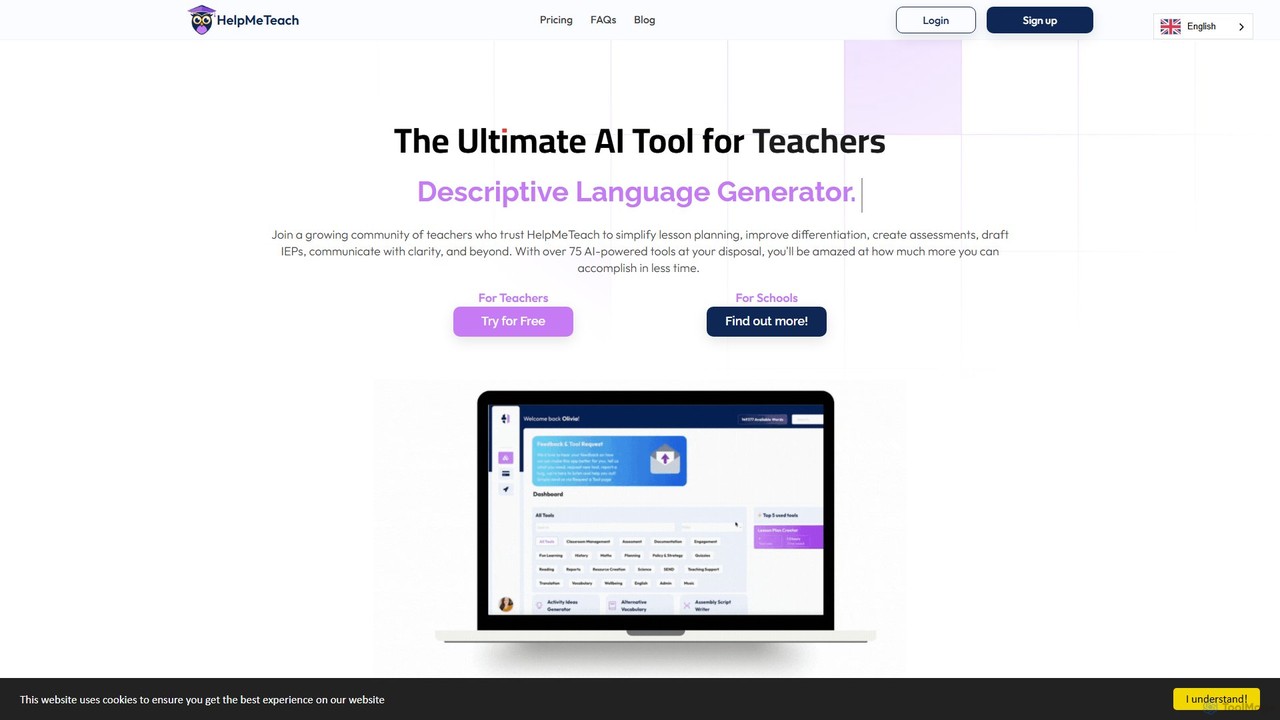
HelpMeTeach is an AI-powered platform designed for educators, offering over 80 specialized tools to simplify teaching tasks. It …

1.8K

About Generator

AI Generators are tools designed to programmatically create new, synthetic data or content based on user-defined parameters. They utilize algorithms and generative models to produce a wide range of outputs, from simple placeholder text to complex structured datasets. This capability is crucial for tasks requiring large volumes of varied, non-sensitive information, such as software testing, design mockups, and machine learning model training. Unlike static resource libraries, AI Generators provide dynamic, on-demand creation of unique assets tailored to specific requirements.

Core Features

  • Data Type Specification: Define the type of data to generate, such as names, addresses, numbers, or custom patterns.
  • Format Control: Output data in various formats like JSON, CSV, SQL, or XML for seamless integration.
  • Scalable Generation: Create large volumes of data, from a few records to millions, in a single operation.
  • Custom Rules & Constraints: Apply specific rules, dependencies, and constraints to ensure data realism and integrity.
  • API Access: Integrate generation capabilities directly into applications and automated workflows.

Use Cases

AI Generators are widely used by software developers, QA engineers, and data scientists. In development, they create mock API responses and realistic test data without using sensitive production information. Designers use them for placeholder content in UI/UX mockups. Data scientists leverage them to generate synthetic datasets to augment training data for machine learning models, improving model robustness.

How to Choose

When selecting an AI Generator, first consider the specific data types and formats you need. Evaluate its customization capabilities—can you define complex rules and dependencies? For automated workflows, check for robust API availability and clear documentation. Finally, assess the pricing model based on your required data volume and generation frequency, whether it's a one-time task or continuous integration.

GeneratorUse Cases

1

Generate Synthetic Data for Software Testing

A QA engineer is tasked with testing a new e-commerce platform's database performance under heavy load. Instead of using sensitive real customer data, which poses a privacy risk, they use an AI data generator. The engineer configures the generator to create one million realistic user profiles, complete with names, shipping addresses, and order histories that follow specific business rules. This synthetic data is then used to populate the test database, allowing for rigorous performance and stress testing in a secure, controlled environment, ultimately identifying bottlenecks before launch.

2

Create Placeholder Content for Web Design

A UI/UX designer is creating a mockup for a news portal website but doesn't have the final articles or author names yet. To make the design look realistic for a client presentation, they use an AI generator. They generate plausible article headlines, author bios, and short paragraphs of lorem ipsum-style text that match the tone of the publication. This allows the client to visualize the final product accurately, providing better feedback on layout, typography, and spacing, without being distracted by generic 'Lorem Ipsum' text.

3

Generate Mock API Endpoints for Frontend Development

A frontend developer is building a new user dashboard that relies on several backend APIs which are still under development. To avoid delays, she uses an AI generator to create a mock API server. She defines the API endpoints (e.g., /api/users, /api/orders) and the JSON data structure for each response. The generator hosts a local server that mimics the real API, returning realistic, structured data on request. This allows her to build and test the entire frontend application independently, ensuring it works as expected before integrating with the actual backend.

4

Brainstorming Unique Names for a Brand

A startup founder is launching a new tech product but is struggling to find a unique and available brand name. They use an AI name generator, inputting keywords related to their product's function, industry, and desired tone (e.g., 'secure', 'cloud', 'fast', 'friendly'). The generator produces hundreds of suggestions, including creative word combinations, portmanteaus, and completely new, pronounceable words. This process saves significant time compared to manual brainstorming and provides a wide pool of creative options to check for domain availability and trademark conflicts.

5

Populating a Database for a Demo Application

A sales engineer needs to demonstrate a new CRM software to a potential client. A demo with an empty database is unconvincing, so she uses an AI data generator to populate it with 5,000 realistic-looking contacts, companies, and sales opportunities. She configures the generator to create data that is relevant to the client's industry, making the demonstration feel personalized and immediately relatable. This preparation takes only a few minutes but significantly increases the impact of the demo, helping the client visualize how the software would work with their own data.

6

Augmenting Datasets for Machine Learning

A data scientist is training a fraud detection model but has an imbalanced dataset with very few examples of fraudulent transactions. To improve the model's performance, they use a synthetic data generator. By analyzing the patterns of the existing fraud cases, the generator creates new, artificial data points that mimic the characteristics of real fraud. This process, known as data augmentation, provides the model with more examples to learn from, helping it to better identify fraudulent activities without collecting more sensitive real-world data.

GeneratorFrequently Asked Questions