ToolMage
Sign in

Best 1 Career Development AI tools for Resources

Popular Career Development AI tools in Resources include AiJobster, helping you work more efficiently.

AiJobster
Free

AiJobster

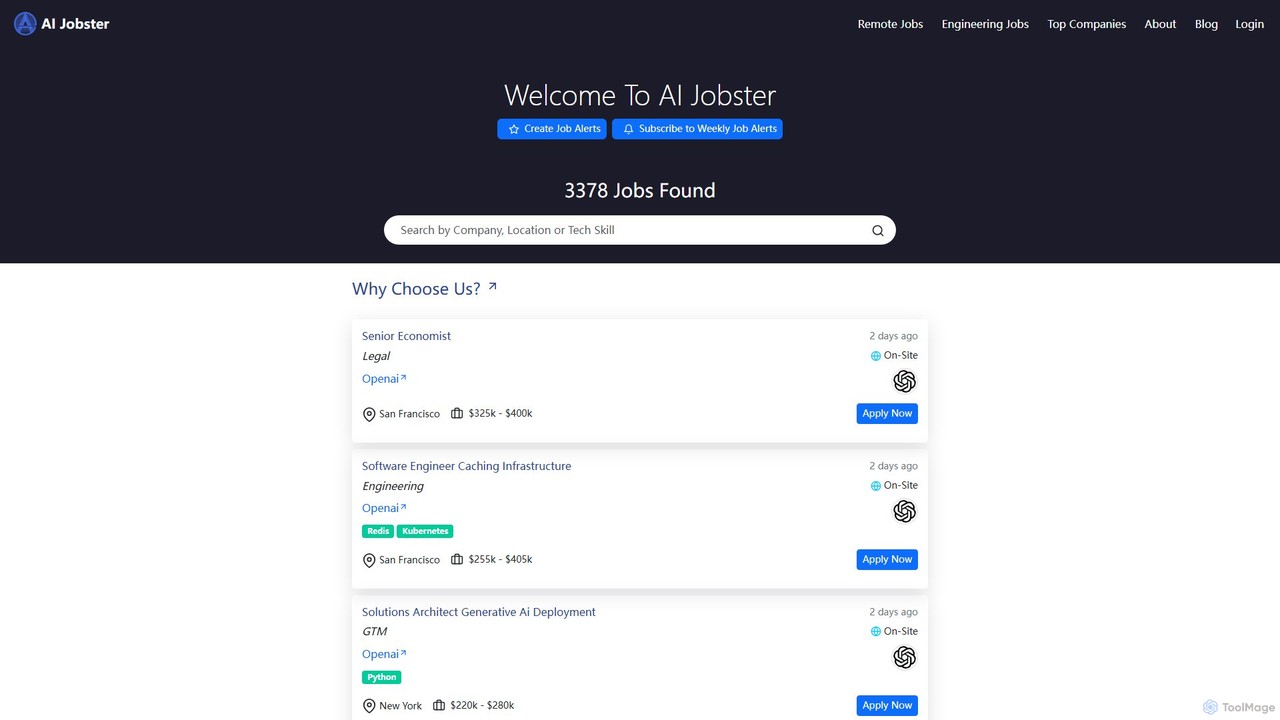
AiJobster is a specialized job board dedicated to the artificial intelligence industry. It aggregates career opportunities from leading AI companies, featuring both remote and on-site positions. Users can easily search for roles in engineering, research, and finance, with detailed information on salaries and required skills. The platform helps professionals streamline their job search by focusing exclusively on high-quality AI-related careers and offering customizable job alerts to stay updated on the latest openings.

Job Board
Visits 4KFavorites 142Likes 130

About Career Development

AI Career Development tools are specialized platforms that use artificial intelligence to provide personalized guidance for professional growth. They analyze user data, job market trends, and role requirements to offer services like resume optimization, interview coaching, and skill development recommendations. These tools empower individuals to make informed career decisions, effectively market their abilities, and navigate their professional path with data-driven insights. They serve as a personal AI career coach, accessible at any time.

Core Features

  • AI Resume & Cover Letter Builder: Tailors application documents by matching skills to specific job descriptions.
  • Mock Interview Practice: Simulates interviews and provides instant feedback on verbal and non-verbal communication.
  • Skill Gap Analysis: Identifies the skills needed to advance and suggests relevant courses or training.
  • Personalized Job Matching: Recommends job opportunities that align with a user's unique skills, experience, and career goals.
  • Career Path Planning: Maps out potential career trajectories and the steps required to achieve them.

Use Cases

These tools are valuable for a wide range of users, from students entering the workforce to experienced professionals seeking a career change. Job seekers use them to enhance their applications and interview performance. HR professionals and managers can leverage them for internal mobility and employee development planning. Career coaches also integrate these tools to provide clients with data-backed advice.

How to Choose

When selecting an AI Career Development tool, consider your primary need. If you're actively job hunting, prioritize tools with strong resume and interview features. For long-term growth, look for robust skill analysis and pathing capabilities. Also, evaluate the quality of the AI feedback, data privacy policies, and whether the pricing model (e.g., subscription vs. one-time fee) aligns with your budget and usage frequency.

Featured tool rankings

Career Development use cases

1

Crafting a Job-Winning Resume

A marketing manager aiming for a senior role uses an AI resume builder. They upload their existing resume and the target job description. The tool analyzes both, highlighting missing keywords and suggesting action verbs. It scores the resume's relevance and provides specific recommendations to rephrase bullet points to better reflect the job's requirements, increasing its chances of passing through Applicant Tracking Systems (ATS) and catching the recruiter's eye.

2

Acing the Behavioral Interview

A software developer preparing for an interview at a major tech company uses an AI mock interview simulator. They select common behavioral questions like "Tell me about a time you faced a conflict." The AI records their response, then provides instant, detailed feedback on their speech clarity, pacing, use of filler words, and the structure of their answer using the STAR method. This allows them to practice and refine their delivery until they feel confident and prepared.

3

Planning a Strategic Career Change

A project manager in construction wants to transition into the tech industry. They use an AI career pathing tool to identify transferable skills like leadership and budget management. The platform analyzes their profile against tech roles like "Technical Program Manager," revealing skill gaps in areas like Agile methodologies and software development lifecycles. It then recommends specific online courses and certifications to bridge these gaps, creating a clear, actionable roadmap for their career transition.

4

Optimizing a LinkedIn Profile for Networking

A freelance graphic designer wants to attract more clients through LinkedIn. They use an AI tool that analyzes their profile and suggests improvements. The AI recommends optimizing their headline with relevant keywords like "UI/UX Design" and "Brand Identity." It also helps draft personalized connection requests and outreach messages to potential clients, suggesting talking points based on the client's company and recent activity, leading to higher response rates.

5

Identifying Skill Gaps for Team Growth

An HR business partner is responsible for employee development within a sales department. They use an AI career development platform to assess the team's collective skills against future business goals, such as expanding into a new market. The tool identifies a team-wide gap in digital marketing and CRM software proficiency. Based on this data, the HR partner can organize targeted training workshops, ensuring the team is equipped for upcoming challenges.

6

Personalized Job Search and Application

A recent finance graduate is overwhelmed by the number of job openings. They use an AI job matching tool that goes beyond simple keyword searches. The platform learns their preferences, skills from internships, and long-term career aspirations. It then curates a daily list of highly relevant entry-level analyst positions, filtering out irrelevant roles. For each matched job, it can also help auto-draft a tailored cover letter, saving hours of manual work.

Career Development FAQ

What are AI Career Development tools?

AI Career Development tools are software applications that use artificial intelligence to help individuals manage and advance their careers. Unlike simple job boards, they offer personalized services such as resume optimization, AI-powered mock interviews, skill gap analysis, and customized career path recommendations. They act as a digital career coach, providing data-driven insights to help users make smarter professional decisions.

How do I choose the right AI career tool?

To choose the right tool, first identify your immediate goal. For job hunting, look for strong resume builders and interview simulators. For long-term growth, prioritize tools with skill analysis and career pathing. Consider these factors:

  • Feature Set: Does it offer the specific functions you need?
  • Feedback Quality: Are the AI's suggestions specific and actionable?
  • User Interface: Is the platform easy to navigate?
  • Pricing: Does the cost align with the value it provides for your needs?

What's the difference between an AI career tool and a standard job board?

The primary difference is personalization and guidance. A standard job board (like Indeed or LinkedIn Jobs) is a marketplace for listing and finding jobs. An AI career tool is a personal development platform. It actively helps you improve your qualifications and application materials. While a job board shows you opportunities, an AI career tool coaches you on how to successfully secure them by optimizing your resume, preparing you for interviews, and planning your skill development.

Can AI tools guarantee I get a job?

No tool can guarantee a job, as hiring decisions involve many human factors. However, AI career development tools significantly increase your chances of success. They help you create highly competitive application materials that pass automated screening systems (ATS). They also provide structured practice and feedback for interviews, boosting your confidence and performance. They equip you with the best possible preparation to stand out in a crowded job market.

Who are AI Career Development tools best for?

These tools are beneficial for a wide range of individuals. They are particularly useful for:

  • Job Seekers: Anyone actively looking for a new role who wants to optimize their application and interview process.
  • Career Changers: Professionals seeking to transition to a new industry and needing to identify transferable skills and learning paths.
  • Students & Recent Graduates: Individuals entering the workforce who need guidance on building their first resume and preparing for interviews.
  • Ambitious Professionals: Employees who want to plan their career progression and identify skills for promotion.