Menyo AI
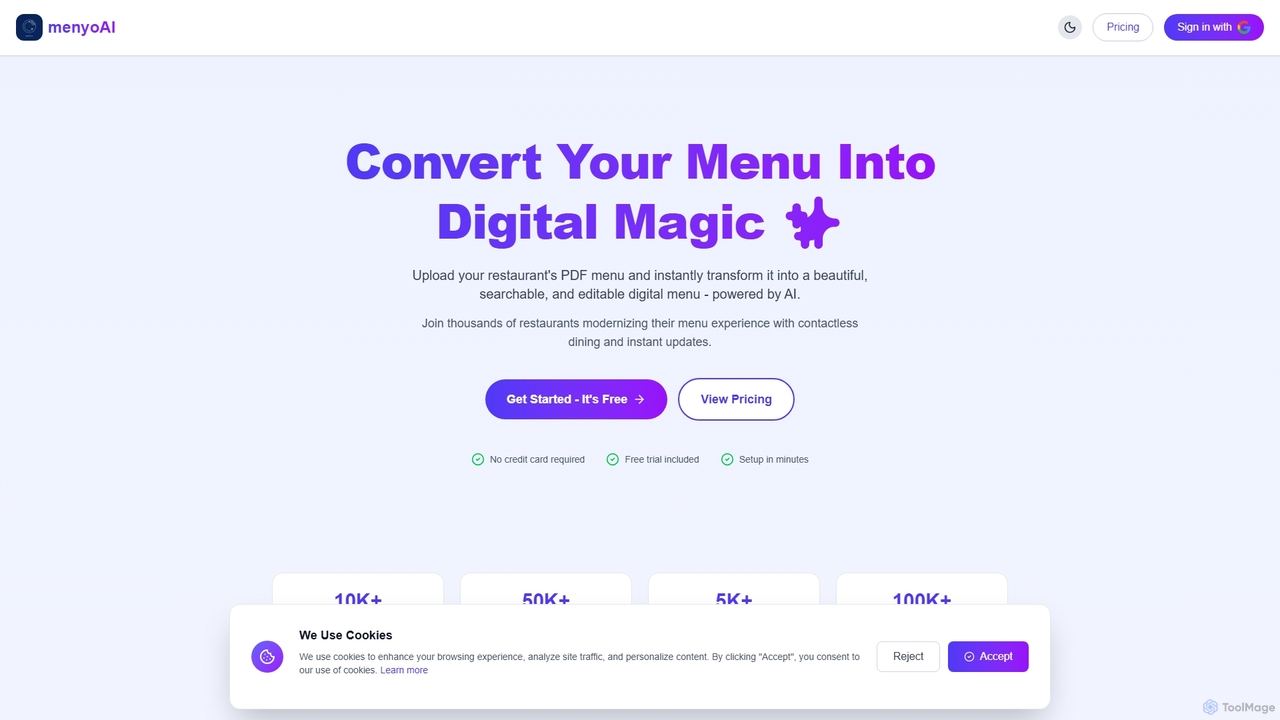
Menyo AI is an AI-powered platform that transforms traditional PDF restaurant menus into interactive, digital experiences. It enables …
Menyo AI is an AI-powered platform that transforms traditional PDF restaurant menus into interactive, digital experiences. It enables restaurants to effortlessly create, manage, and update beautiful, searchable, and multi-language digital menus, complete with custom QR codes and real-time analytics, enhancing customer engagement and operational efficiency.
Meal Dynamics
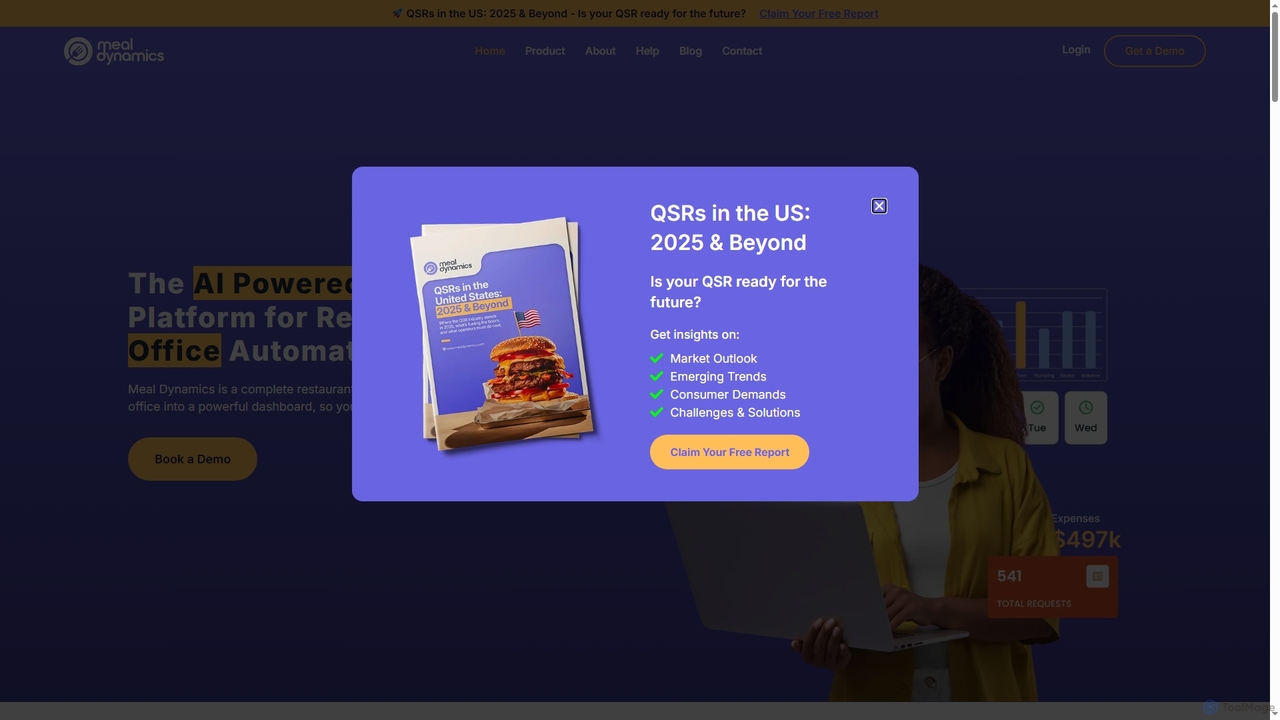
Meal Dynamics is an AI-powered, full-stack restaurant management software designed to automate back-office operations. It centralizes accounts payable, …
Meal Dynamics is an AI-powered, full-stack restaurant management software designed to automate back-office operations. It centralizes accounts payable, repair and maintenance, expense management, operational checklists, and vendor management into one powerful dashboard, helping restaurants save time, reduce costs, and scale efficiently.
About Restaurant Management
Restaurant Management AI tools are a category of advanced software solutions that leverage artificial intelligence to optimize various aspects of restaurant operations. These tools utilize data analytics, machine learning, and automation to streamline processes from front-of-house customer interactions to back-of-house inventory and staff management. Their primary value lies in enhancing operational efficiency, improving customer experience, and boosting profitability for food service businesses of all sizes.
Core Features
- Demand Forecasting: Predicts customer traffic and ingredient needs using historical data and external factors.
- Inventory Optimization: Automates stock tracking, reordering, and waste reduction to minimize costs.
- Personalized Customer Service: AI chatbots and recommendation engines enhance guest interactions and order accuracy.
- Staff Scheduling: Optimizes employee shifts based on demand forecasts, availability, and labor costs.
- Menu Engineering Analysis: Identifies profitable menu items and suggests pricing strategies.
Use Cases
Restaurant Management AI tools are invaluable for restaurant owners, managers, and culinary professionals seeking to modernize their operations. They are used in fine dining establishments to personalize guest experiences, in fast-casual chains for efficient order processing, and in ghost kitchens for optimizing delivery logistics and inventory. These tools help businesses adapt to fluctuating market demands and maintain high service standards.
How to Choose
When selecting Restaurant Management AI tools, consider the specific operational areas you wish to improve, such as inventory, staffing, or customer engagement. Evaluate the tool's integration capabilities with existing POS systems, its scalability to match your business growth, and the clarity of its data analytics dashboards. Also, assess the vendor's support and the solution's overall cost-effectiveness, including implementation and subscription fees.
Restaurant ManagementUse Cases
Optimizing Inventory and Reducing Food Waste
Restaurant managers can utilize AI-powered inventory systems to accurately predict ingredient demand based on sales data, seasonal trends, and upcoming events. The system automates reorder points, identifies slow-moving items, and suggests optimal stock levels, significantly reducing spoilage and minimizing food waste. This leads to substantial cost savings and more sustainable operations.
Enhancing Customer Experience with AI Chatbots
For restaurants with high call volumes or online presence, AI chatbots can handle routine inquiries such as reservation changes, menu questions, and opening hours. These chatbots provide instant, 24/7 support, freeing up staff to focus on in-person service. They can also collect customer feedback and personalize recommendations, improving overall guest satisfaction.
Dynamic Staff Scheduling for Peak Efficiency
Restaurant owners can leverage AI to create optimized staff schedules that align with predicted customer traffic and employee availability. The system considers labor costs, skill sets, and compliance regulations, ensuring adequate staffing during peak hours while avoiding overstaffing during quieter periods. This maximizes labor efficiency and reduces operational expenses.
Personalized Menu Recommendations and Upselling
AI tools can analyze customer order history and preferences to offer personalized menu recommendations, enhancing the dining experience. For online ordering platforms, this translates to intelligent upselling and cross-selling suggestions, such as pairing a wine with a dish or recommending desserts. This strategy can increase average order value and customer loyalty.
Predictive Maintenance for Kitchen Equipment
Large restaurant chains or high-volume kitchens can use AI-driven sensors to monitor the performance of critical equipment like ovens, refrigerators, and dishwashers. The AI analyzes operational data to predict potential failures before they occur, enabling proactive maintenance. This minimizes costly downtime, extends equipment lifespan, and ensures uninterrupted service.
Streamlining Online Order and Delivery Management
For restaurants offering takeout and delivery, AI systems can optimize order routing, assign delivery drivers efficiently, and manage delivery times. By integrating with various delivery platforms, AI ensures smooth operations, reduces delivery errors, and provides real-time updates to customers, leading to faster service and improved customer satisfaction.