Safety Best in category 3 results Compliance AI Tool

Popular AI tools in the Compliance field of Safety include viact、Strom Synergy、Xolver, etc., helping you quickly improve efficiency.

Xolver

Xolver

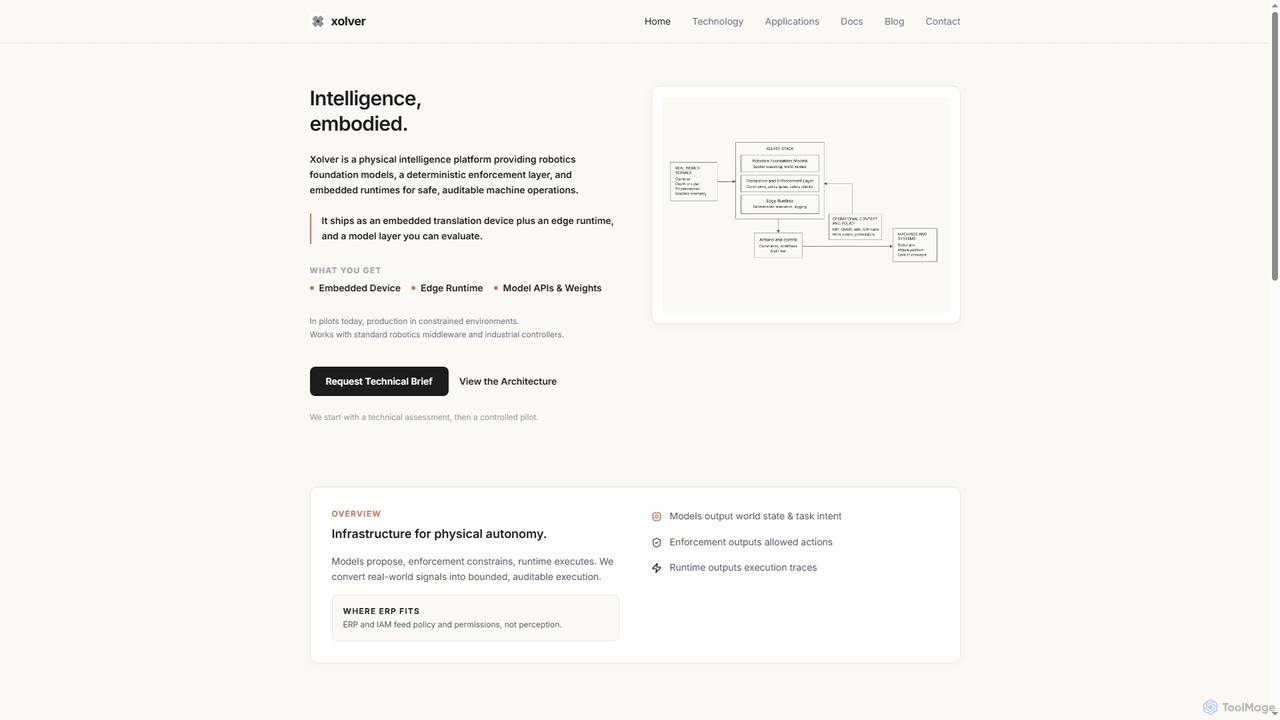
Xolver is a physical intelligence platform designed for robotics, providing foundation models, a deterministic enforcement layer, and embedded …

2.8K
Strom Synergy

Strom Synergy

Strom Synergy is a Singapore-based specialist provider of lightning protection systems (LPS). They offer comprehensive services including audits, …

3.0K
viact

viact

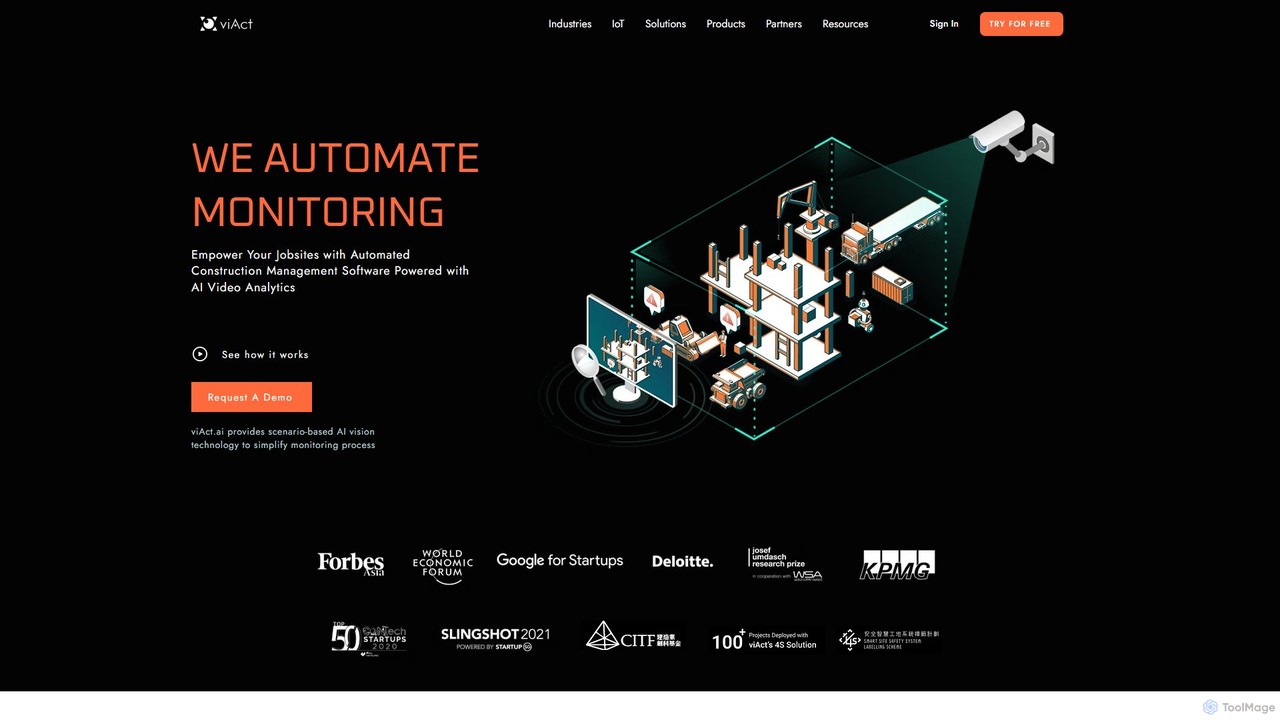
viAct is an AI-powered video analytics platform designed for the construction industry. It automates worksite monitoring to enhance …

37.8K

About Compliance

AI Compliance tools are a specialized category of software designed to automate adherence to legal, regulatory, and internal policies. Leveraging natural language processing (NLP) and machine learning, these tools continuously monitor data, communications, and workflows for potential violations. They help organizations proactively manage risk, simplify complex audits, and maintain trust by ensuring operations meet standards like GDPR or HIPAA. This focus on rule-based adherence distinguishes them within the broader field of AI Safety.

Core Features

  • Regulatory Monitoring: Automatically tracks and interprets updates to laws and regulations, alerting teams to relevant changes.
  • Automated Auditing: Scans systems, code, and documents to generate evidence of compliance and identify non-conformities.
  • Policy Enforcement: Implements and enforces internal rules by flagging or blocking actions that violate company policies.
  • Risk Assessment: Analyzes processes and data usage to identify and score potential compliance risks before they become issues.
  • Data Governance Automation: Classifies sensitive data and monitors access to ensure alignment with privacy laws like CCPA and GDPR.

Use Cases

These tools are critical in highly regulated industries such as finance (for AML and KYC), healthcare (for HIPAA), and technology (for data privacy). Legal departments use them to review contracts for compliance, while HR teams ensure hiring practices align with labor laws. AI development teams also use them to ensure models comply with emerging AI regulations.

How to Choose

When selecting an AI Compliance tool, first verify its coverage of specific regulations relevant to your business (e.g., GDPR, SOX). Assess its integration capabilities with your existing software stack, such as cloud platforms and communication tools. Also, consider the level of automation for reporting and the flexibility to customize rules for your internal policies.

ComplianceUse Cases

1

Automating GDPR and CCPA Data Privacy Audits

For a tech company's Data Protection Officer (DPO), manually auditing data processing activities is a monumental task. An AI Compliance tool automates this by connecting to data stores and cloud services. It scans for personally identifiable information (PII), maps data flows, and automatically flags processes that may violate GDPR's 'right to be forgotten' or CCPA's 'do not sell' requirements. The tool generates real-time dashboards and audit-ready reports, reducing manual audit preparation time by over 80% and providing continuous assurance of data privacy compliance.

2

Monitoring Financial Communications for Insider Trading

Compliance teams in investment banks must monitor thousands of employee communications (emails, chats) for potential market abuse. AI Compliance tools use NLP to understand the context and sentiment of conversations, going beyond simple keyword matching. The system can identify subtle hints of insider trading, collusion, or other regulatory breaches. It automatically flags suspicious conversations, creates a case file with relevant evidence, and escalates it for human review, significantly improving the accuracy and efficiency of surveillance.

3

Ensuring HIPAA Compliance in Healthcare Systems

A hospital's IT department is responsible for protecting electronic protected health information (ePHI). An AI Compliance tool continuously monitors access logs and data transfers within the electronic health record (EHR) system. It learns normal access patterns for different roles (doctors, nurses, admin) and flags anomalous activities, such as an employee accessing patient records unrelated to their duties. This proactive threat detection helps prevent data breaches and ensures the organization maintains HIPAA compliance, avoiding heavy fines.

4

Streamlining Contract Review for Legal Teams

Corporate legal teams review hundreds of contracts to ensure they comply with regulations like the Sarbanes-Oxley Act (SOX) and internal risk policies. An AI Compliance tool can automatically scan new contracts, comparing clauses against a pre-approved library and regulatory checklists. It highlights non-standard terms, missing clauses, or high-risk language, allowing lawyers to focus their attention on critical issues. This accelerates the contract lifecycle while reducing the risk of human error in compliance checks.

5

Verifying Marketing Materials Against Advertising Standards

A marketing department in the pharmaceutical or financial services industry must ensure all promotional materials meet strict advertising standards. AI Compliance tools can scan website copy, social media posts, and ad creatives before publication. The AI checks for unsubstantiated claims, missing disclaimers, or language that could be considered misleading. This automated pre-screening process helps prevent costly regulatory penalties and protects the company's brand reputation.

6

Auditing AI Models for Fairness and Regulatory Alignment

As AI regulations like the EU AI Act emerge, AI development teams need to prove their models are fair, transparent, and compliant. An AI Compliance tool can audit machine learning models for biases related to protected attributes like gender or race. It also generates documentation on the model's training data, decision-making logic, and performance metrics. This creates an audit trail that demonstrates due diligence and helps the organization deploy AI systems responsibly and in accordance with legal requirements.

ComplianceFrequently Asked Questions