Best of the Year 1 results Safety Management AI Tools

Popular AI tools in the Safety Management field include Velona, etc., helping you quickly improve efficiency.

Velona

Velona

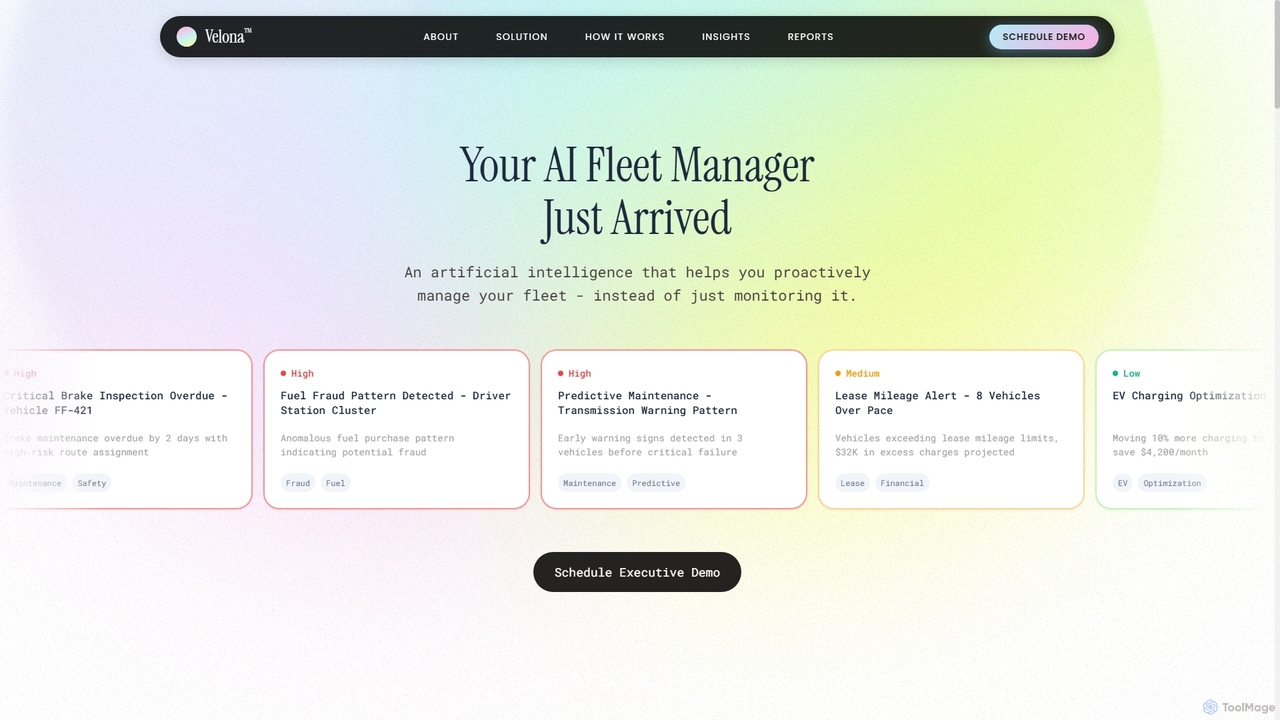
Velona is an AI-powered fleet management platform that transforms traditional monitoring into proactive, intelligent operations. It leverages specialized …

3.1K

About Safety Management

Safety Management AI tools are advanced solutions that leverage artificial intelligence to enhance safety protocols, mitigate risks, and ensure compliance across various sectors. These tools utilize machine learning, computer vision, and predictive analytics to identify potential hazards, monitor environments in real-time, and automate critical safety processes. Their primary value lies in transforming reactive safety approaches into proactive, data-driven strategies, significantly reducing incidents and protecting personnel and assets.

Core Features

  • Predictive Risk Analysis: Identifies potential hazards and predicts future incidents based on historical data and environmental factors.
  • Real-time Monitoring & Alerting: Uses sensors and cameras to detect anomalies, unsafe behaviors, or environmental threats, issuing immediate alerts.
  • Compliance Automation: Automates the tracking, reporting, and adherence to regulatory standards and internal safety policies.
  • Incident Response Optimization: Provides data-driven insights and automated workflows to streamline emergency response and post-incident analysis.
  • Safety Training & Simulation: Offers AI-powered simulations and personalized training modules to improve employee safety awareness and skills.

Applicable Scenarios

These tools are crucial for industries with high-risk environments such as manufacturing, construction, oil & gas, and transportation, where they monitor equipment health and worker safety. They are also vital in cybersecurity for threat detection and in healthcare for patient safety, ensuring a secure and compliant operational landscape.

How to Choose

When selecting Safety Management AI tools, consider the specific risks you need to address and the types of data sources available for integration. Evaluate the tool's ability to customize risk models, its scalability to grow with your operations, and the level of technical expertise required for implementation and maintenance. Prioritize solutions that offer robust real-time monitoring, comprehensive reporting, and seamless integration with existing systems.

Safety ManagementUse Cases

1

Predictive Maintenance in Manufacturing

Manufacturing plants use AI to analyze sensor data from machinery, predicting equipment failures before they occur. This prevents accidents caused by malfunctioning equipment and reduces costly downtime, ensuring a safer working environment for operators.

2

Real-time Hazard Detection in Construction

Construction sites deploy AI-powered cameras to monitor worker behavior and site conditions. The AI can detect if workers are not wearing proper PPE, identify unauthorized access to restricted areas, or spot falling objects, triggering immediate alerts to prevent injuries.

3

Cybersecurity Threat Intelligence

Organizations leverage AI to continuously monitor network traffic and system logs for anomalous patterns indicative of cyber threats. AI tools can identify sophisticated attacks, zero-day exploits, and insider threats, enhancing data security and protecting critical infrastructure.

4

Workplace Health & Safety Compliance Auditing

AI automates the auditing of safety protocols and regulatory compliance in offices or industrial settings. It can analyze safety checklists, incident reports, and training records to identify gaps, ensure adherence to standards, and prepare for inspections, reducing legal risks.

5

Fleet Safety and Driver Monitoring

Transportation companies use AI-powered telematics and in-cab cameras to monitor driver behavior, detect fatigue, distraction, or aggressive driving. This helps prevent road accidents, improves fleet safety, and reduces insurance costs by promoting safer driving habits.

6

Emergency Response and Evacuation Planning

AI tools analyze building layouts, occupancy data, and potential hazard locations to optimize evacuation routes and emergency response strategies. In a crisis, they can guide personnel to safety and provide real-time information to first responders, minimizing casualties.

Safety ManagementFrequently Asked Questions