Sales Best in category 1 results Competitive Intelligence AI Tool

Popular AI tools in the Competitive Intelligence field of Sales include GetWhys, etc., helping you quickly improve efficiency.

GetWhys

GetWhys

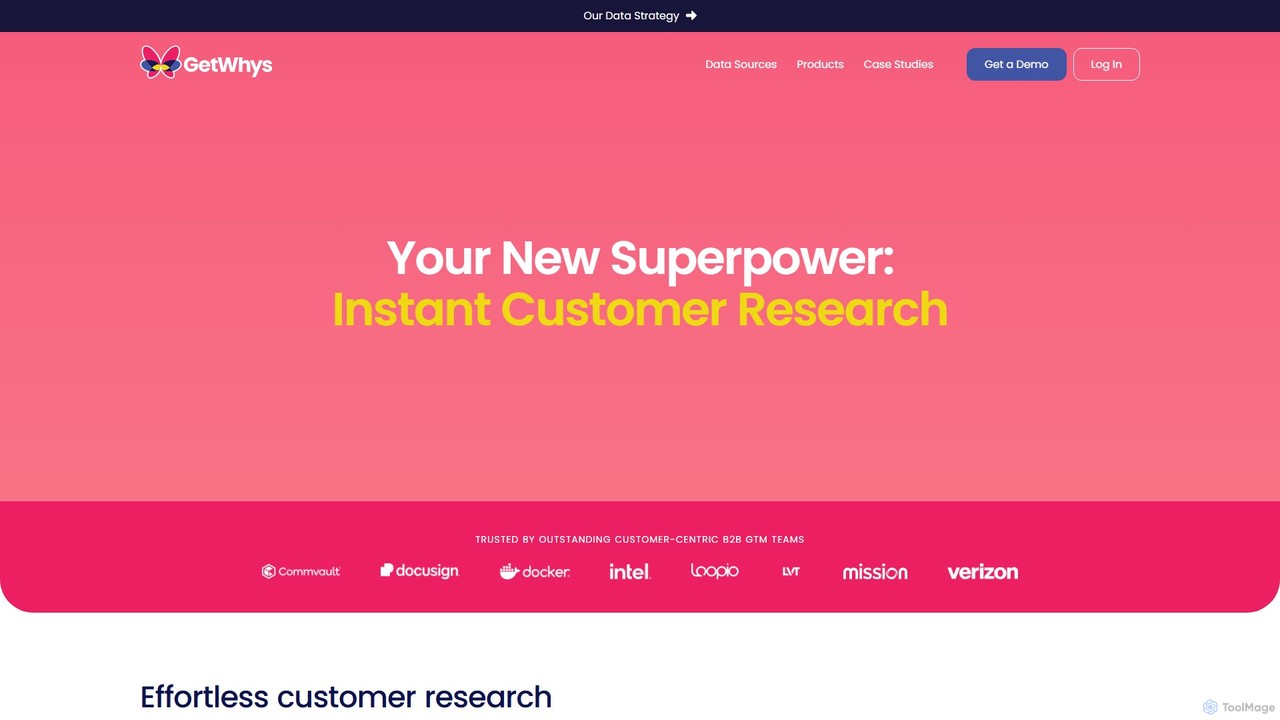
GetWhys is an AI-powered customer research platform for B2B GTM teams. It provides instant insights by combining proprietary …

11.7K

About Competitive Intelligence

Competitive Intelligence tools are AI-powered platforms that automate the monitoring, collection, and analysis of information about business rivals. They leverage machine learning to track competitor websites, pricing updates, marketing campaigns, and customer sentiment in real-time. This provides sales teams with actionable insights to anticipate market shifts, refine sales pitches, and gain a strategic advantage in negotiations. By transforming raw data into structured intelligence, these tools empower organizations to make faster, more informed decisions within their sales cycle.

Core Features

  • Real-time Competitor Monitoring: Automatically tracks changes on competitor websites, social media, and in the news.
  • Product & Pricing Analysis: Monitors competitor product feature updates and pricing strategy adjustments.
  • Automated Battlecards: Generates dynamic, data-driven summaries of competitor strengths and weaknesses for sales reps.
  • Market Trend Identification: Analyzes competitor activities to uncover emerging market trends and opportunities.
  • Sentiment Analysis: Gauges public perception of competitors by analyzing customer reviews and social media comments.

Use Cases

Primarily used by sales managers, account executives, and market intelligence analysts. These tools are crucial for preparing for competitive sales calls, developing strategic account plans, and providing product teams with feedback on market positioning.

How to Choose

When selecting a Competitive Intelligence tool, consider the breadth of data sources it covers, the depth of its AI-powered analysis, its ability to integrate with your CRM (e.g., Salesforce), and the customization options for alerts and reports.

Competitive IntelligenceUse Cases

1

Create Dynamic Sales Battlecards for Calls

An account executive is preparing for a crucial call with a prospect who is also evaluating a key competitor. Instead of manually searching for information, they use a Competitive Intelligence tool. The tool automatically generates an up-to-date battlecard that includes:

  • The competitor's latest pricing and recent promotions.
  • Key feature differences highlighted with talking points.
  • Recent negative customer reviews to use as objection handlers.

This allows the executive to enter the conversation fully prepared, confidently addressing competitor mentions and positioning their solution more effectively.

2

Monitor Competitor Pricing and Product Changes

A product marketing manager needs to ensure their company's pricing remains competitive. They set up alerts in a Competitive Intelligence tool to monitor the pricing pages of their top three competitors. When one competitor launches a new, lower-priced tier, the manager receives an instant email alert with a screenshot of the change. This allows their team to quickly analyze the impact, model potential responses, and present a data-backed recommendation to leadership, preventing potential market share loss.

3

Analyze Competitor Marketing Campaigns and Messaging

A marketing team is planning its next quarterly campaign. Using a Competitive Intelligence tool, they analyze the messaging, ad creatives, and target channels of their competitors over the last six months. The AI identifies a pattern: a key competitor has shifted its messaging from 'cost-saving' to 'enterprise security'. This insight informs the marketing team to double down on their own 'ease of use' and 'fast integration' messaging to capture the SMB market segment the competitor seems to be leaving behind, resulting in a more targeted and effective campaign.

4

Identify Market Gaps for Product Development

A product manager wants to identify opportunities for the next product release. They use a Competitive Intelligence tool to aggregate and analyze customer reviews for all major competing products. The AI-powered sentiment analysis feature highlights a recurring complaint across all competitors: 'difficult to integrate with other software.' This data provides a clear, validated market gap. The product manager uses this insight to prioritize building a robust API and one-click integrations, creating a key differentiator for their product.

5

Enhance Sales Training and Onboarding

A sales enablement manager is responsible for onboarding new hires. Instead of static PowerPoint slides, they use a Competitive Intelligence platform as a central, dynamic resource. New reps can access up-to-date battlecards, watch recordings of successful competitive calls, and review AI-generated summaries of competitor news. This interactive approach reduces ramp-up time and ensures that even the newest team members are equipped with the latest, most accurate information about the competitive landscape from day one.

6

Inform Strategic Business and Expansion Decisions

A leadership team is considering expanding into a new geographic market. They use a Competitive Intelligence tool to analyze the local competitive landscape in that region. The tool identifies several local players not on their radar, reveals their pricing in the local currency, and analyzes local customer reviews to understand regional preferences. This data-driven report helps the leadership team make a more informed go/no-go decision and, if they proceed, to develop a market entry strategy that is tailored to the specific local challenges and opportunities.

Competitive IntelligenceFrequently Asked Questions