ToolMage
Sign in

Best 2 Lead Nurturing AI tools for Sales

Popular Lead Nurturing AI tools in Sales include Textdrip and nurturally, helping you work more efficiently.

nurturally
Freemium

nurturally

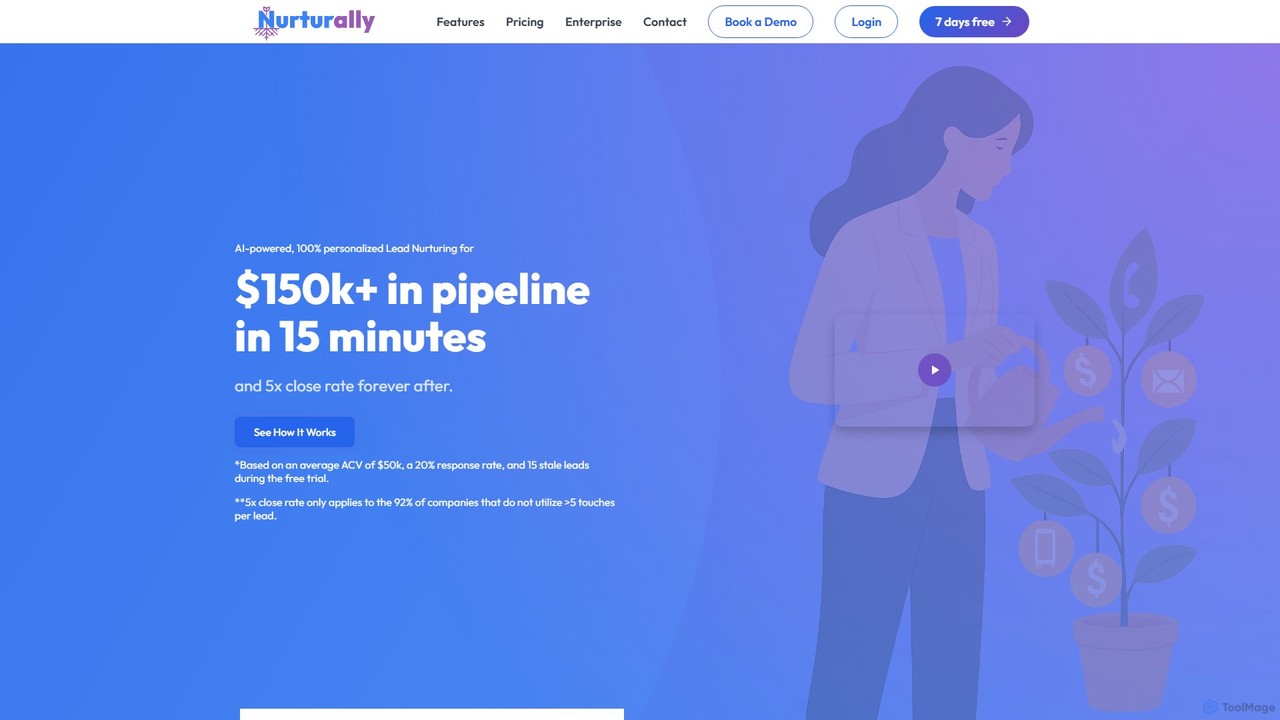
Nurturally is an AI-powered platform designed to automate lead nurturing and follow-ups. It intelligently re-engages cold or long-cycle leads with personalized, context-aware emails that feel human-written. By analyzing past conversations, Nurturally ensures perfect timing and relevant messaging, preventing valuable leads from falling through the cracks. It aims to significantly increase close rates, shorten sales cycles, and boost sales efficiency for businesses of all sizes, from freelancers to large enterprises.

Email Automation
Visits 5.5KFavorites 156Likes 143
Textdrip
Paid

Textdrip

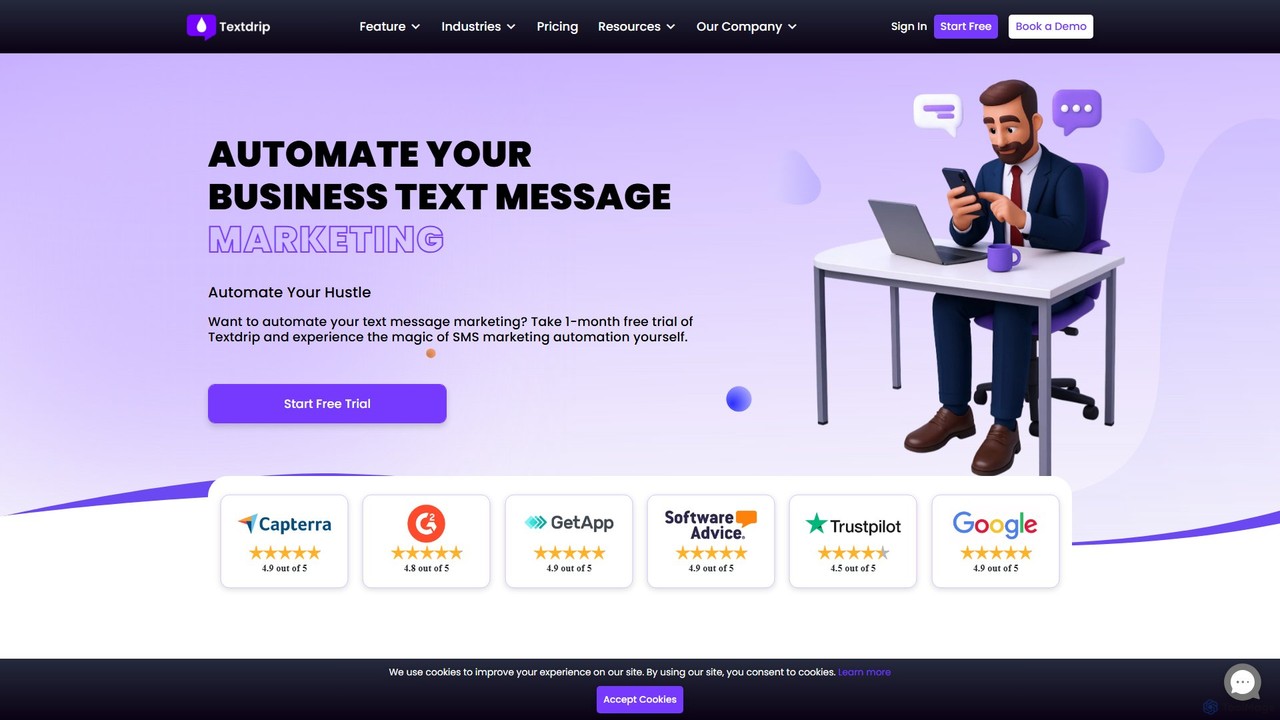
Textdrip is an advanced SMS marketing and automation platform designed for businesses. It enables users to send bulk texts, create automated drip campaigns, personalize messages, and manage customer conversations efficiently. With features like AI text generation, pipeline management, and a mobile app, it helps businesses increase sales and streamline communication.

Automated Communication
Visits 52KFavorites 126Likes 150

About Lead Nurturing

Lead Nurturing tools are AI-powered platforms designed to automate and personalize the process of building relationships with potential customers. These tools utilize behavioral tracking, predictive analytics, and automated workflows to deliver targeted messages at optimal times across various channels. The primary goal is to guide leads through the sales funnel, educating and engaging them until they are ready to make a purchase. This systematic approach significantly increases conversion rates and shortens the sales cycle by ensuring no potential customer is neglected.

Core Features

  • Automated Workflows: Design and execute multi-step communication sequences (drip campaigns) based on specific triggers or time intervals.
  • AI-Powered Lead Scoring: Automatically rank leads based on their engagement, demographic data, and behavioral patterns to prioritize sales efforts.
  • Behavioral Tracking: Monitor user actions such as website visits, email opens, and content downloads to trigger relevant and timely follow-ups.
  • Multi-Channel Communication: Engage leads through various channels including email, SMS, social media, and in-app messages within a single unified campaign.
  • Dynamic Content Personalization: Tailor messaging, offers, and content for each lead based on their individual data, interests, and stage in the buyer's journey.

Use Cases

These tools are particularly valuable for B2B companies with long sales cycles, SaaS businesses aiming to convert trial users into paying customers, and high-value B2C sectors like real estate and education. For instance, a software company can use a lead nurturing tool to send a series of educational content to a prospect who downloaded a whitepaper, gradually building trust and demonstrating value before a sales outreach.

How to Choose

When selecting a Lead Nurturing tool, consider its integration capabilities with your existing CRM and marketing stack. Evaluate the sophistication of its workflow builder and the depth of its personalization features. Also, assess the platform's analytics and reporting to ensure you can measure campaign effectiveness and ROI. Finally, consider its scalability to support your company's growth in lead volume and campaign complexity.

Lead Nurturing use cases

1

Automating B2B SaaS Trial-to-Paid Conversion

A marketing manager at a SaaS company uses a lead nurturing tool to convert free trial users. When a user signs up, an automated workflow is triggered. Based on the user's in-app behavior, the system sends personalized emails highlighting relevant features, case studies of similar companies, and tips for getting the most value. If a user becomes inactive, a re-engagement sequence is initiated. This automated, personalized approach helps guide users to their 'aha' moment, significantly increasing the trial-to-paid conversion rate without manual intervention from the sales team.

2

Nurturing High-Value Real Estate Leads

A real estate agency captures leads from their website's property search form. Each lead is automatically entered into a nurturing sequence tailored to their specified interests (e.g., location, property type, price range). The system sends automated emails with new listings that match their criteria, market analysis reports for their desired neighborhood, and guides on the home-buying process. This keeps the agency top-of-mind and builds credibility, ensuring that when the lead is ready to view properties, they are highly engaged and more likely to work with that specific agent.

3

Recovering Abandoned E-commerce Carts

An e-commerce manager sets up a lead nurturing workflow to tackle cart abandonment. When a logged-in user leaves items in their cart for more than an hour, the system triggers a multi-channel sequence. It starts with a friendly email reminder. If there's no action, a second email with a small discount coupon is sent 24 hours later. For high-value carts, an SMS notification might also be triggered. By automating this follow-up process with personalized incentives, the store can recover a significant percentage of potentially lost revenue and understand friction points in the checkout process.

4

Converting Webinar Attendees into Sales Leads

A B2B marketing team hosts a webinar on an industry topic. After the event, they use a lead nurturing tool to segment attendees based on their engagement (e.g., attended live vs. watched recording, asked a question). Each segment receives a tailored follow-up sequence. Live attendees get the recording and slides immediately. Those who asked questions receive a personalized email from a sales rep addressing their query. All attendees are then nurtured with related content like case studies and blog posts over the next few weeks, with their lead score increasing based on interaction, eventually triggering a notification for sales to follow up with the most qualified leads.

5

Re-engaging Cold Leads in a CRM

A sales director identifies thousands of 'cold' leads in their CRM—contacts who haven't been engaged in over six months. Instead of deleting them, they sync these leads to a nurturing tool. The tool initiates a slow-drip re-engagement campaign, sending a high-value industry report, followed by a relevant blog post a month later, and then an invitation to a new webinar. The system tracks opens, clicks, and downloads, automatically updating the lead score. When a lead shows renewed interest by engaging with the content, their score crosses a threshold, and they are automatically assigned back to a sales rep as a warm, re-qualified lead.

6

Onboarding and Educating New Customers

A customer success manager uses a lead nurturing platform not just for pre-sales, but for post-sale customer onboarding. Once a deal is closed, the new customer is entered into an onboarding workflow. They receive a welcome email, followed by a series of tutorials on key features, invitations to user training webinars, and links to helpful knowledge base articles. This automated process ensures every new customer receives consistent and comprehensive training, which improves product adoption, reduces support tickets, and increases the likelihood of long-term retention and future upsells.

Lead Nurturing FAQ

What are AI Lead Nurturing tools?

AI Lead Nurturing tools are software platforms that automate and personalize communications with potential customers to guide them through the sales funnel. Unlike simple email automation, they use artificial intelligence to analyze lead behavior, score their readiness to buy, and trigger the most relevant message at the optimal time across multiple channels (email, SMS, social media). The goal is to build a relationship and maintain engagement until a lead is qualified and ready for a sales conversation.

How is Lead Nurturing different from Email Marketing?

While both involve sending emails, their purpose and complexity differ significantly. Email Marketing is often focused on one-off campaigns sent to a broad audience (e.g., newsletters, promotions). Lead Nurturing is a more strategic, long-term process focused on individuals. It uses multi-step, multi-channel automated workflows triggered by a lead's specific actions or characteristics. Its goal is not just to inform, but to systematically move a lead from initial interest to being sales-ready through personalized, relevant communication.

How do I choose the right Lead Nurturing tool?

Choosing the right tool depends on your specific needs. Consider these key factors:

  • CRM Integration: Does it seamlessly sync with your existing Customer Relationship Management (CRM) system to provide a unified view of the customer?
  • Workflow Complexity: Can it support the complexity of your desired nurturing sequences, including branching logic, triggers, and multiple channels?
  • Personalization Capabilities: How deeply can you personalize content? Look for features like dynamic content insertion based on lead properties.
  • Analytics and Reporting: Does it provide clear, actionable insights into campaign performance, lead progression, and overall ROI?
  • Scalability: Will the tool grow with your business as your database of leads and campaign complexity increases?
What is AI-powered lead scoring?

AI-powered lead scoring is a dynamic process where a machine learning model analyzes vast amounts of data to predict a lead's likelihood to convert. Unlike traditional rule-based scoring (e.g., +5 points for opening an email), AI models identify complex patterns in demographic data, firmographics, and behavioral signals (website activity, content engagement). It continuously learns and adapts, providing a more accurate and predictive score that helps sales teams prioritize their efforts on the leads who are most likely to become customers.

Can Lead Nurturing tools be used for existing customers?

Absolutely. While the term 'lead' implies pre-sale, the technology is highly effective for post-sale engagement. Many businesses use these tools for customer onboarding, sending educational content to increase product adoption, announcing new features, and identifying upsell or cross-sell opportunities based on customer usage data. This transforms the tool from a simple sales utility into a comprehensive customer lifecycle management platform, boosting retention and lifetime value.