Sales Best in category 1 results Pricing Optimization AI Tool

Popular AI tools in the Pricing Optimization field of Sales include 1Price, etc., helping you quickly improve efficiency.

1Price

1Price

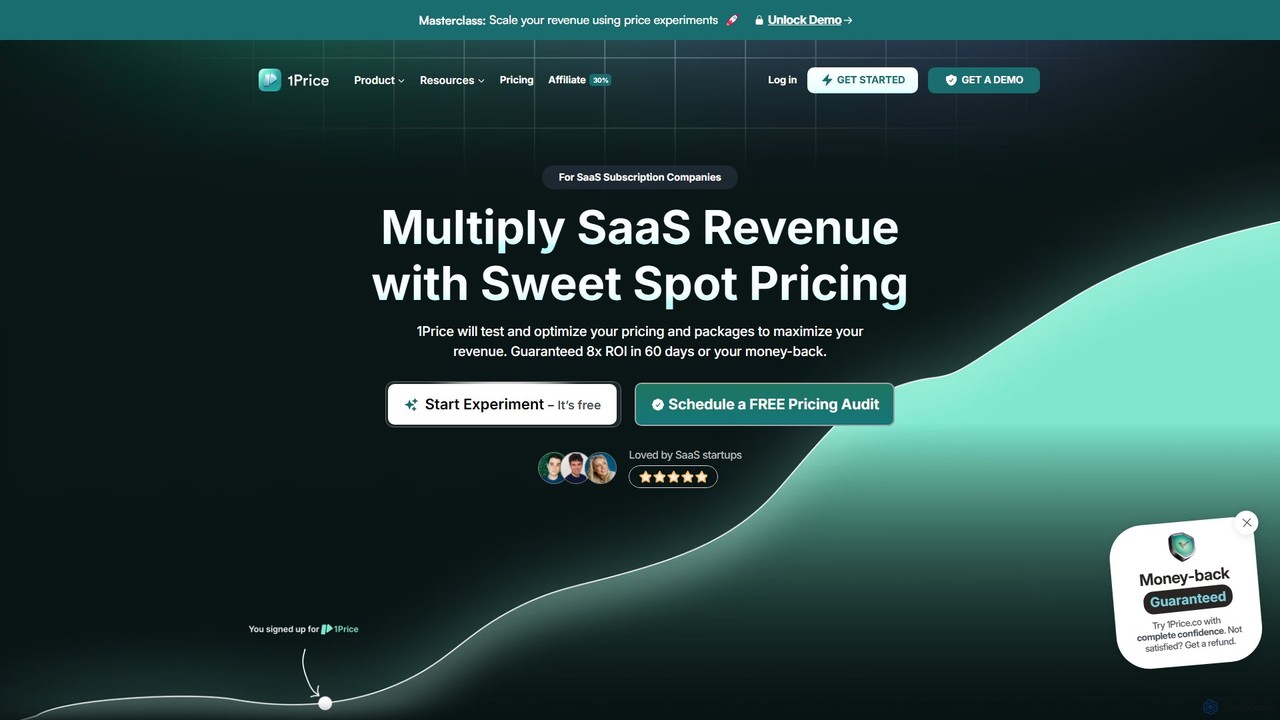
1Price is an automated price optimization platform for SaaS companies. It enables businesses to run various price experiments, …

3.1K

About Pricing Optimization

AI Pricing Optimization tools are specialized platforms that use machine learning to analyze vast datasets and recommend the most effective pricing strategies. These tools process market trends, competitor prices, customer demand, and internal costs to identify price points that maximize revenue or profit margins. By automating complex analysis, they enable businesses to move beyond static or rule-based pricing and adopt data-driven, dynamic strategies. This capability is a critical component of modern sales and revenue management, allowing for agile responses to market changes.

Core Features

  • Dynamic Pricing Engine: Automatically adjusts prices in real-time based on demand, inventory, and competitor actions.
  • Competitor Price Monitoring: Continuously tracks and analyzes competitor pricing across multiple channels.
  • Demand Forecasting: Predicts future sales volumes at various price levels to inform strategy.
  • Price Elasticity Analysis: Measures how sensitive customer demand is to changes in price for specific products.
  • Promotion & Discount Optimization: Recommends the ideal discount depth and timing to boost sales without sacrificing profitability.

Use Cases

These tools are widely used in sectors with fluctuating demand and high competition, such as e-commerce, retail, travel, hospitality, and SaaS. Revenue managers, e-commerce directors, and product marketing managers use them to set prices for thousands of SKUs, optimize promotional campaigns, and respond instantly to market shifts.

How to Choose

When selecting a pricing optimization tool, consider its integration capabilities with your existing systems (e.g., ERP, e-commerce platform). Evaluate the sophistication and transparency of its AI models. Also, assess its ability to handle your product catalog's scale and the level of customization allowed for setting business rules and constraints.

Pricing OptimizationUse Cases

1

E-commerce Dynamic Pricing for Seasonal Products

An e-commerce manager for an online fashion store needs to maximize revenue from a new collection of swimwear. Using an AI pricing optimization tool, they connect their product catalog and sales data. The AI analyzes real-time demand signals, competitor pricing for similar items, and inventory levels. It then automatically adjusts the prices daily, slightly increasing them during peak demand weekends and offering small, targeted discounts on slower-moving sizes. This strategy helps clear inventory before the season ends while maximizing the profit margin on popular items.

2

SaaS Subscription Tier Pricing Analysis

A product manager at a SaaS company is tasked with restructuring subscription plans to increase average revenue per user (ARPU). They feed customer usage data, feature adoption rates, and churn information into a pricing optimization platform. The AI models simulate revenue outcomes for different feature combinations and price points. The tool recommends a new three-tier structure with a 'Pro' plan priced 15% higher but including a high-demand feature previously sold as an add-on. This data-backed decision leads to a successful plan migration and revenue uplift.

3

Hotel Room Rate Optimization

A revenue manager for a hotel group uses an AI tool to set daily room rates. The system integrates with their booking engine and analyzes historical booking patterns, local events, flight data, and competitor rates in the area. Based on this data, the AI forecasts demand for the next 90 days and recommends optimal rates for different room types. During a major conference, the system automatically increases rates to capture higher willingness-to-pay, then lowers them during off-peak weeks to stimulate demand and maintain high occupancy.

4

Retail Markdown and Promotion Strategy

A category manager at a large retail chain plans end-of-season clearance for electronics. Instead of applying a blanket 50% discount, they use a pricing optimization tool. The AI analyzes sales history, current inventory, and demand elasticity for each product. It recommends a phased markdown strategy: a 20% discount for the first two weeks on high-demand items and a 40% discount on products with excess stock. This targeted approach helps sell through inventory efficiently while minimizing margin loss compared to a store-wide sale.

5

B2B Dynamic Quoting for Industrial Parts

A sales operations manager at a B2B manufacturing firm wants to improve the consistency and profitability of sales quotes. They implement an AI pricing tool that integrates with their CRM and ERP. When a salesperson creates a quote, the tool analyzes the customer's purchase history, the order volume, current raw material costs, and competitor benchmarks. It suggests an optimal price and a negotiable discount range, empowering the sales team to close deals faster and more profitably while ensuring pricing governance across the organization.

6

Optimizing Prices for Ride-Sharing Services

A data scientist at a ride-sharing company is responsible for the surge pricing algorithm. They use a pricing optimization platform to refine the model. The system processes real-time data on rider requests, driver availability, traffic conditions, and special events. The AI predicts short-term supply and demand imbalances in different city zones and calculates the precise surge multiplier needed to incentivize more drivers to enter high-demand areas and balance the market. This ensures rider wait times are minimized while maximizing completed trips.

Pricing OptimizationFrequently Asked Questions