Search Best in category 1 results Market Intelligence AI Tool

Popular AI tools in the Market Intelligence field of Search include Chatoshi AI Search, etc., helping you quickly improve efficiency.

Chatoshi AI Search

Chatoshi AI Search

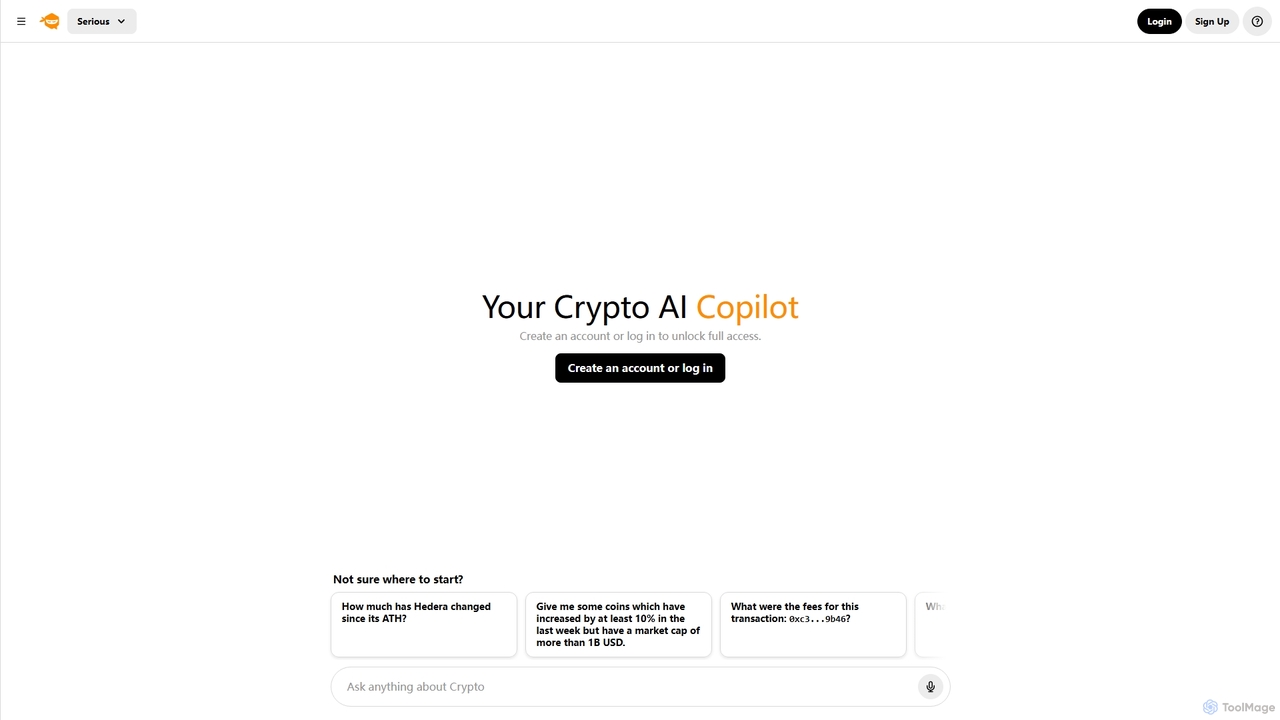
Chatoshi AI Search is your dedicated Crypto AI Copilot, offering real-time insights into cryptocurrency markets, transaction details, and …

2.9K

About Market Intelligence

Market Intelligence tools are a specialized category of AI search platforms designed to automatically collect, analyze, and interpret vast amounts of market data. They utilize machine learning and natural language processing (NLP) to transform unstructured information from sources like news, social media, and competitor websites into actionable strategic insights. This enables businesses to proactively understand their competitive landscape, identify emerging trends, and make informed decisions. Unlike general search engines, these tools focus on delivering synthesized intelligence rather than just a list of results.

Core Features

  • Competitor Tracking: Automatically monitors competitors' activities, including product launches, pricing changes, and marketing campaigns.
  • Trend Analysis: Identifies and forecasts emerging market trends, consumer behaviors, and technological shifts using predictive analytics.
  • Sentiment Analysis: Gauges public and customer opinion towards brands, products, or topics by analyzing online conversations.
  • Data Aggregation & Visualization: Gathers data from diverse sources and presents it in intuitive dashboards and reports for easy interpretation.

Applicable Scenarios

These tools are crucial for product managers validating new feature ideas, marketing teams benchmarking against competitors, and business strategists identifying new market opportunities. For example, a CPG company can track consumer sentiment on social media after a new product launch, while a tech firm can monitor patent filings to anticipate a competitor's next move.

How to Choose

When selecting a Market Intelligence tool, consider the breadth and relevance of its data sources (e.g., industry-specific forums, global news). Evaluate the depth of its analytical capabilities, such as sentiment accuracy and trend forecasting. Also, assess its integration options with other business systems like CRM or BI platforms, and the customization level of its dashboards and alerts.

Market IntelligenceUse Cases

1

Competitive Benchmarking for Marketing Strategy

A marketing manager at a SaaS company uses a market intelligence tool to continuously track three key competitors. The tool automatically aggregates data on their pricing updates, new feature announcements from press releases, and customer sentiment from social media and review sites. By setting up real-time alerts, the manager is immediately notified of a competitor's major price drop. This allows their team to quickly analyze the potential impact and adjust their own promotional strategy within 48 hours, preventing potential customer churn and maintaining market share.

2

Identifying New Product Opportunities

A product manager for a consumer electronics company is tasked with developing the next generation of smart home devices. They use a market intelligence platform to analyze thousands of online customer reviews and forum discussions about existing products. The AI identifies a recurring theme: users frequently complain about the complex setup process and poor interoperability between different brands. This data-driven insight directly informs the product roadmap, prioritizing the development of a device with a one-click setup feature and universal compatibility, addressing a clear, unmet market need.

3

Tracking Emerging Industry Trends

A corporate strategist at a financial services firm uses a market intelligence tool to monitor emerging fintech trends. The platform scans millions of articles, academic papers, and venture capital funding announcements daily. It identifies a sudden surge in conversations and investments related to 'decentralized identity'. The tool visualizes this trend's growth trajectory and highlights key startups in the space. This early detection allows the firm to form a research team to investigate the technology's potential impact on their business months before it becomes a mainstream topic of discussion.

4

Investment Due Diligence and Market Sizing

An analyst at a venture capital firm is evaluating a potential investment in an e-learning startup. They use a market intelligence tool to validate the startup's claims. The tool analyzes the total addressable market (TAM) by aggregating data from industry reports and government statistics. It also assesses the startup's 'share of voice' online compared to established competitors and analyzes customer reviews to identify product strengths and weaknesses. The resulting report provides a comprehensive, unbiased view, helping the firm make a more confident investment decision based on verified data rather than just the startup's pitch deck.

5

Optimizing Content and SEO Strategy

A content marketing team for an e-commerce brand uses a market intelligence tool to discover what questions their target audience is asking online. By analyzing search trends, forum discussions, and competitor blog topics, the tool identifies a high-volume, low-competition keyword cluster related to 'sustainable packaging materials'. The team then creates a comprehensive guide on this topic. This data-informed approach ensures their content directly addresses user intent, helping them rank higher in search results and attract qualified organic traffic, ultimately driving more sales from environmentally-conscious consumers.

6

Assessing Brand Health and Reputation

The public relations team for a global airline uses a market intelligence platform to monitor brand perception in real-time. The tool tracks mentions of the airline across news sites, blogs, and social media, performing sentiment analysis on each mention. Following a flight disruption incident, the dashboard shows a sharp spike in negative sentiment. The team can drill down to see the specific complaints and locations, allowing them to craft a targeted and empathetic public response quickly, mitigating reputational damage and demonstrating responsiveness to customer concerns.

Market IntelligenceFrequently Asked Questions